
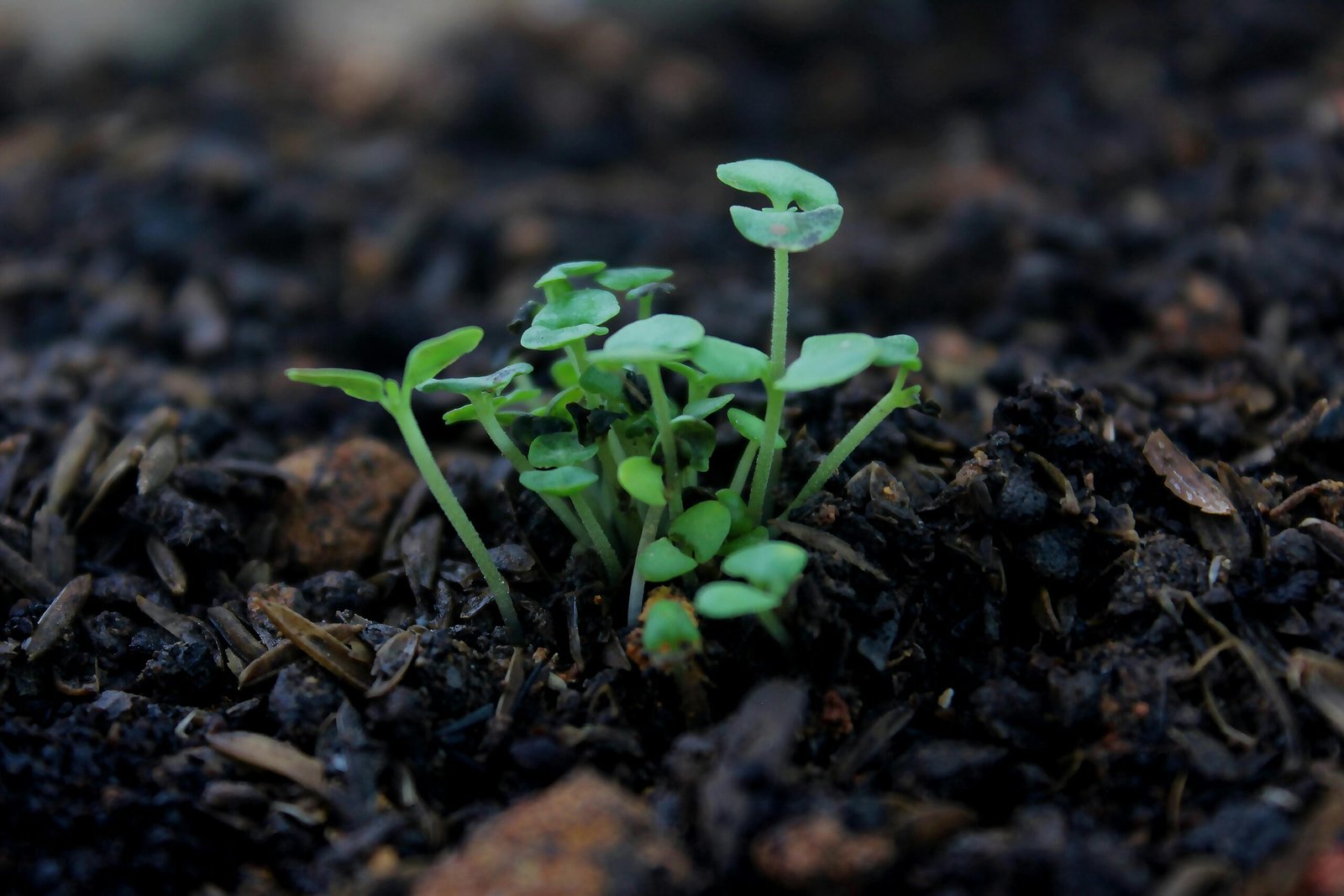
Indoor plants are not only great for improving air quality, but they also serve as beautiful, living décor pieces that can brighten up any room. Whether you’re a seasoned plant enthusiast or a beginner, arranging your indoor plants in an aesthetically pleasing way can enhance the atmosphere of your home and showcase your greenery in the best possible light. A well-designed plant display can serve as a focal point, add depth and texture to a room, and create a calming environment.
In this guide, we’ll explore how to design a stunning indoor plant display, with tips for selecting plants, arranging them creatively, and maintaining a healthy and beautiful display year-round.
1. Why Design a Plant Display?
Designing a plant display is more than just placing a few potted plants around the room. It’s about creating a cohesive, eye-catching arrangement that complements your interior design and showcases the beauty of your plants. Here are a few reasons why you should consider designing a plant display:
A. Aesthetic Appeal
A thoughtfully arranged plant display can add vibrancy, texture, and visual interest to any space. Whether you’re looking to create a tropical oasis, a minimalist corner, or a lush green wall, plants offer endless possibilities for design.
B. Improved Air Quality
Plants naturally purify the air by absorbing carbon dioxide and releasing oxygen. A well-placed plant display can contribute to a healthier living environment, making your home more comfortable and inviting.
C. Psychological Benefits
Plants are known to have positive effects on mental health. Their presence can reduce stress, improve mood, and increase productivity. A beautiful plant display can create a calming atmosphere that helps you relax and unwind after a long day.
D. Personal Expression
Your plant display is an extension of your personal style and taste. It reflects your creativity, personality, and love for nature. By curating the plants and pots you display, you can create a unique and personal space that feels truly yours.
2. Choosing the Right Plants for Your Display
The first step in creating a beautiful indoor plant display is selecting the right plants. Not all plants are suited for every environment, so consider your space’s lighting, humidity, and overall style before choosing plants.
A. Light Requirements
Each plant has different light needs, so it’s essential to consider the light conditions in the room where you want to place them. Some plants thrive in bright, direct sunlight, while others prefer low light.
- Low Light Plants: Snake plants, ZZ plants, and pothos are great choices for rooms with limited natural light.
- Bright, Indirect Light Plants: Most tropical plants, such as monstera, philodendron, and ferns, thrive in bright, indirect light.
- Direct Sunlight Plants: Succulents, cacti, and some herbs (like basil and thyme) need direct sunlight to flourish.
B. Size and Scale
When selecting plants for your display, consider the size of your space and the overall aesthetic you want to create. Larger plants, such as fiddle-leaf figs and rubber plants, can serve as statement pieces, while smaller plants like succulents and air plants work well in groupings.
- Tip: Use a mix of plant sizes to create visual interest and balance. Taller plants can be placed in corners or near windows, while smaller plants can be displayed on shelves, tables, or windowsills.
C. Plant Type and Texture
Consider mixing different types of plants to create variety in your display. Pairing plants with contrasting textures—such as the glossy leaves of a snake plant with the soft, feathery foliage of a fern—can create a dynamic, visually appealing arrangement.
- Tip: Combine leafy plants with plants that have unique shapes or colors, like succulents or flowering plants, to add dimension and depth to your display.
3. Designing Your Indoor Plant Display
Now that you’ve selected your plants, it’s time to design the display. Whether you’re creating a small corner garden or a full indoor jungle, these tips will help you create a beautiful, functional, and cohesive plant arrangement.
A. Choose a Focal Point
Start by selecting the focal point of your plant display. This could be a large, striking plant like a fiddle-leaf fig or a stylish plant stand that draws attention. The focal point will be the center of your display and will help anchor the arrangement.
- Tip: If you have a larger plant, such as a palm or rubber tree, place it in the center of the display. Surround it with smaller plants to create a balanced, layered effect.
B. Create Layers
When designing your plant display, think about creating layers by varying the heights of the plants. This adds depth and dimension to the arrangement and prevents the display from looking flat.
- Tip: Use plant stands, shelves, or stacking crates to elevate some plants. Taller plants should be placed in the back or center of the display, while shorter plants can be positioned in the front or on lower levels.
C. Group Plants in Odd Numbers
When arranging plants, aim for odd numbers, such as three, five, or seven, rather than even numbers. Odd-numbered groupings tend to look more natural and aesthetically pleasing to the eye.
- Tip: If you’re grouping plants together, mix plants of different sizes and shapes for a more dynamic display.
D. Play with Pots and Containers
The pots and containers you choose for your plants play a significant role in the overall look of the display. Pot style, color, and material can enhance your plant display and complement your interior décor.
- Tip: Choose pots that match your home’s aesthetic. For a modern look, go for sleek, geometric pots in neutral colors. For a more rustic feel, opt for terracotta or ceramic pots with natural finishes. You can also use unique containers, such as vintage teacups or mason jars, for a quirky, personalized touch.
E. Use Vertical Space
If you’re working with limited space, consider using vertical displays to maximize your plant arrangement. Wall-mounted shelves, hanging planters, or a vertical garden can help you display your plants in a creative and space-saving way.
- Tip: Install floating shelves or use plant brackets to hang plants in front of windows or on empty walls. A wall-mounted plant rack can hold multiple plants and create a dramatic, vertical garden effect.
4. Care and Maintenance for Your Plant Display
While creating a beautiful plant display is a fun and rewarding process, keeping your plants healthy requires ongoing care and maintenance. Here are some essential tips for keeping your indoor plants happy:
A. Watering
Indoor plants have varying watering needs, so it’s essential to water them according to their individual requirements. Overwatering is a common mistake, so always check the soil before watering.
- Tip: Use a moisture meter to help determine when to water. Water thoroughly, allowing excess water to drain out of the pot, and never let plants sit in standing water.
B. Regular Pruning
To maintain a neat and healthy plant display, prune your plants regularly. Remove dead or yellowing leaves, trim leggy stems, and pinch back growth to encourage fuller, bushier plants.
- Tip: Use clean, sharp scissors or pruning shears to avoid damaging your plants. Always cut just above a leaf node or bud to promote new growth.
C. Dusting Your Plants
Plants can accumulate dust, which can block sunlight and hinder photosynthesis. Dusting your plants regularly will help them stay healthy and look their best.
- Tip: Wipe the leaves of your plants with a damp cloth or use a soft brush to remove dust. For larger plants, you can use a gentle spray of water to clean the leaves.
D. Fertilizing
Indoor plants benefit from regular feeding during the growing season (spring and summer). Use a balanced, water-soluble fertilizer to provide essential nutrients.
- Tip: Fertilize your plants once a month during the growing season, but reduce fertilizing during the dormant months (fall and winter).
5. Troubleshooting Common Plant Display Problems
Even the best-designed plant displays can encounter issues. Here are some common problems and how to fix them:
A. Yellowing Leaves
Yellowing leaves can indicate overwatering, underwatering, or nutrient deficiencies.
- Solution: Check your watering routine and adjust as needed. Ensure your plants are in well-draining pots and that the soil isn’t too soggy.
B. Wilting Plants
Wilting plants are often a sign of underwatering or stress from too much heat.
- Solution: Water your plants thoroughly and check the environment for temperature extremes. Make sure your plants are not sitting too close to heat sources.
C. Pests
Pests like aphids, mealybugs, and spider mites can damage your plants and affect the overall appearance of your display.
- Solution: Regularly inspect your plants for signs of pests. Treat infestations with neem oil, insecticidal soap, or a mixture of water and dish soap.
6. Conclusion: Enjoying Your Beautiful Plant Display
Creating a stunning indoor plant display is a fun and creative way to bring nature into your home. By selecting the right plants, arranging them thoughtfully, and caring for them properly, you can enjoy a vibrant, healthy, and eye-catching display that enhances the beauty of any room.
Whether you’re creating a minimalist plant corner or a lush, tropical retreat, your plant display can reflect your personal style and bring a sense of tranquility and life to your home. Happy decorating and happy gardening!

Isabella Garcia is the creator of a blog dedicated to crafts and home care, focused on making everyday life more creative, organized, and enjoyable. The blog shares practical tips, easy DIY projects, home organization ideas, and simple solutions to take better care of your living space. Whether you’re a beginner in crafting or someone looking for inspiration to improve your home routine, Isabella’s blog offers clear, useful, and hands-on content to help you create a cozy, beautiful, and well-cared-for home.