
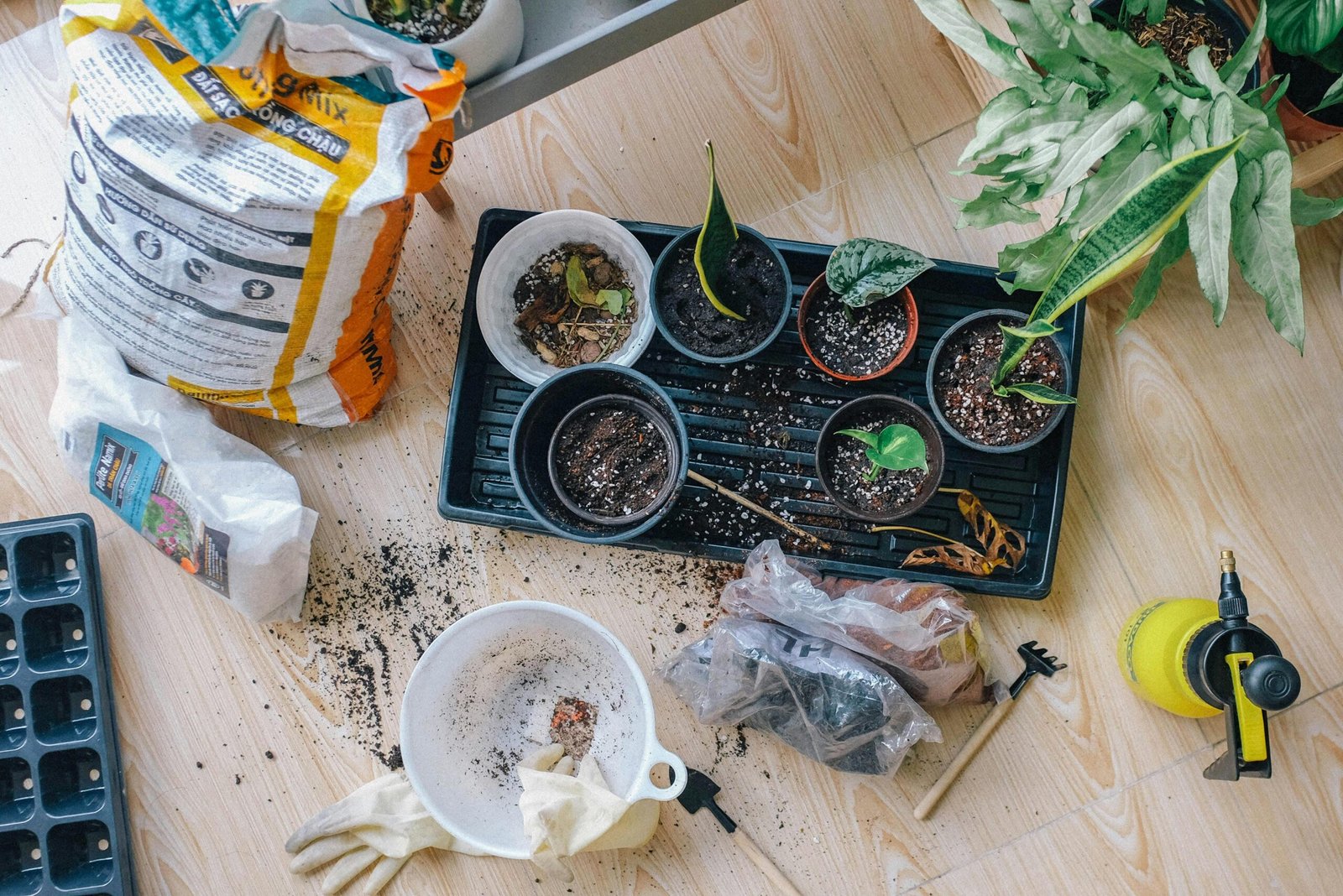
There’s nothing quite like the beauty of flowers, and having them bloom indoors can bring vibrant colors and fresh fragrances into your home all year round. Whether you’re looking to add color to your living room, brighten up your kitchen, or create a relaxing atmosphere in your bedroom, an indoor flower garden is a wonderful way to do it.
Growing flowers indoors may seem like a challenging task, but with the right plants and care, it’s entirely possible to enjoy a flourishing garden indoors. In this guide, we’ll cover everything you need to know to grow a successful indoor flower garden, from choosing the right flowers to providing the proper care for your blooms.
1. Why Grow an Indoor Flower Garden?
Indoor flower gardens offer numerous benefits that can enhance your living space and overall well-being. Here are some of the key reasons why you should consider growing flowers indoors:
A. Adds Color and Aesthetic Appeal
The primary reason for growing flowers indoors is the beautiful color they bring into your space. Flowers add vibrancy and life to your home, making any room feel more inviting and cheerful. Whether you prefer bold and bright blooms or soft and delicate petals, flowers can suit any decor style.
B. Improves Indoor Air Quality
Many indoor flowers also help purify the air by absorbing toxins and releasing oxygen. Flowers like peace lilies and orchids can improve the air quality in your home, creating a healthier and fresher environment to breathe.
C. Promotes Mental Well-being
Studies have shown that having plants and flowers around can reduce stress and anxiety. Flowers, in particular, have a calming effect, and simply being around them can help improve your mood, lower blood pressure, and even boost productivity.
D. Enjoy Fresh Blooms Year-Round
While outdoor gardens are limited by the seasons, indoor flowers can bloom year-round, bringing beauty and freshness to your home no matter the time of year. With proper care, many indoor flowers can continue to bloom throughout all seasons, offering a consistent source of joy.
2. Choosing the Right Flowers for Your Indoor Garden
The first step in creating a successful indoor flower garden is selecting the right flowers. Some flowers are better suited for indoor growing than others. Here’s a list of flowers that thrive indoors:
A. Orchids (Phalaenopsis)
Orchids are one of the most popular indoor flowers due to their stunning, long-lasting blooms. They come in a variety of colors, from soft pastels to vibrant hues.
- Light Needs: Orchids prefer bright, indirect light. Direct sunlight can scorch their delicate petals.
- Watering: Orchids don’t require frequent watering. Water once a week, allowing the soil to dry out between waterings.
- Care Tips: Orchids thrive in humidity, so consider placing them on a humidity tray or misting them regularly.
B. African Violets (Saintpaulia)
African violets are small, compact plants that are perfect for indoor gardens. They produce beautiful purple, pink, or white flowers and are easy to grow.
- Light Needs: African violets need bright, indirect light. Too much direct sunlight can burn their delicate leaves.
- Watering: Water from the bottom of the plant to avoid wetting the leaves. Keep the soil consistently moist but not soggy.
- Care Tips: African violets prefer consistent temperatures, so avoid placing them in areas with drafts or temperature fluctuations.
C. Peace Lily (Spathiphyllum)
Peace lilies are well-known for their elegant white blooms and glossy green leaves. They’re relatively easy to care for and can bloom throughout the year with the right conditions.
- Light Needs: Peace lilies thrive in low to medium light conditions. They can tolerate lower light levels but will bloom better with brighter indirect light.
- Watering: Keep the soil moist, but not waterlogged. Peace lilies are fairly forgiving, so don’t worry if you forget to water them occasionally.
- Care Tips: Peace lilies prefer higher humidity, so misting or using a humidifier can help them flourish.
D. Gerbera Daisies (Gerbera jamesonii)
Gerbera daisies are bright, cheerful flowers that can add a pop of color to your indoor garden. They come in a range of colors, including red, yellow, orange, and pink.
- Light Needs: Gerbera daisies need bright, indirect light to bloom. Avoid direct sunlight, as it can cause their petals to scorch.
- Watering: Water when the top of the soil is dry. Be careful not to let the soil become soggy, as this can lead to root rot.
- Care Tips: Gerberas prefer cool temperatures and do best in a room that stays between 60°F and 70°F (16°C-21°C).
E. Begonias (Begonia spp.)
Begonias are versatile flowers that come in a variety of shapes, sizes, and colors. Their attractive foliage and bright blooms make them an excellent choice for an indoor garden.
- Light Needs: Begonias prefer bright, indirect light. Direct sunlight can scorch their leaves.
- Watering: Water when the top inch of soil is dry. Begonias don’t like to sit in water, so be sure to use well-draining soil and containers.
- Care Tips: Keep begonias in a slightly humid environment to encourage healthy growth.
F. Cyclamen (Cyclamen persicum)
Cyclamen is a winter-flowering plant that produces colorful blooms in shades of pink, red, and white. It’s perfect for adding a burst of color during the colder months.
- Light Needs: Cyclamen prefers bright, indirect light.
- Watering: Water when the top of the soil feels dry. Be careful not to water the tuber, as this can cause rot.
- Care Tips: Cyclamen prefer cooler temperatures, so keep them in a room that stays between 55°F and 65°F (13°C-18°C).
3. Providing the Right Conditions for Your Indoor Flower Garden
To help your indoor flowers thrive, you’ll need to create the right growing conditions. Here are some key factors to keep in mind:
A. Light
Light is one of the most important factors for growing indoor flowers. While most indoor plants prefer bright, indirect light, some flowers may require more direct sunlight to bloom. Here are a few tips:
- South-Facing Windows: These windows get the most sunlight throughout the day, making them ideal for flowers that need plenty of light.
- East- or West-Facing Windows: These windows provide moderate light and are good for flowers that prefer indirect sunlight.
- Grow Lights: If your home doesn’t get enough natural light, consider using LED or fluorescent grow lights to supplement. These lights can be placed directly above your plants to mimic natural daylight.
B. Temperature
Most indoor flowers thrive in temperatures between 60°F and 75°F (15°C-24°C). However, it’s important to keep the temperature consistent, as sudden temperature fluctuations can stress your plants.
- Tip: Keep your indoor flowers away from drafts, air conditioning units, or heating vents, as these can cause temperature extremes that may harm your plants.
C. Humidity
Many indoor flowers, especially tropical varieties, require higher humidity levels to grow well. Dry indoor air, especially during the winter months, can lead to wilting leaves and poor flower development.
- Tip: Increase humidity around your plants by placing them on a humidity tray (a shallow tray filled with water and pebbles), using a humidifier, or misting them occasionally.
D. Watering
Watering your indoor flowers properly is crucial to their success. Overwatering or underwatering can both lead to problems like root rot or wilting.
- Tip: Water your flowers when the top inch of soil feels dry. Always make sure the pots have proper drainage to allow excess water to escape. Avoid letting your flowers sit in standing water.
4. Maintaining Your Indoor Flower Garden
Once your indoor flower garden is up and running, it’s important to maintain it properly to keep your plants healthy and blooming. Here are some maintenance tips to ensure your flowers continue to thrive:
A. Deadheading
Deadheading is the process of removing dead or faded flowers from your plants. This encourages the plant to produce new blooms and keeps the plant looking tidy.
- Tip: Regularly check for spent flowers and remove them by pinching or cutting the stem just above the first set of leaves.
B. Pruning
Pruning is important for removing damaged or unhealthy leaves and stems, as well as encouraging new growth. For plants that become leggy or overgrown, pruning will help them maintain a more compact shape.
- Tip: Use sharp, clean scissors or pruning shears to make clean cuts. Always prune back to a healthy part of the plant, just above a node.
C. Fertilizing
Indoor flowers need regular feeding to stay healthy and produce new blooms. Use a balanced, water-soluble fertilizer during the growing season (spring and summer), but be sure to dilute it to avoid over-fertilizing.
- Tip: Fertilize every 2-4 weeks during the growing season, and reduce or stop fertilizing during the dormant period (fall and winter).
5. Troubleshooting Common Flowering Problems
Even with the best care, indoor flowers can encounter issues. Here are some common problems and how to address them:
A. Flowers Not Blooming
If your flowers aren’t blooming, it could be due to insufficient light, improper temperatures, or lack of nutrients.
- Solution: Move your plants to a brighter spot, ensure they’re receiving enough light, and consider using a grow light. Also, check if the plant is in the right temperature range for flowering.
B. Wilting or Drooping Flowers
Wilting flowers can be a sign of underwatering, overwatering, or temperature stress.
- Solution: Check the moisture level of the soil and adjust your watering routine accordingly. Ensure the plant isn’t exposed to extreme temperatures or drafts.
Conclusion: Growing a Beautiful Indoor Flower Garden
An indoor flower garden can bring color, fragrance, and beauty into your home all year round. By choosing the right flowers, providing the proper care, and maintaining a suitable environment, you can enjoy vibrant blooms in any room of your house. With patience and the right knowledge, your indoor garden will flourish and brighten your home for years to come.

Isabella Garcia is the creator of a blog dedicated to crafts and home care, focused on making everyday life more creative, organized, and enjoyable. The blog shares practical tips, easy DIY projects, home organization ideas, and simple solutions to take better care of your living space. Whether you’re a beginner in crafting or someone looking for inspiration to improve your home routine, Isabella’s blog offers clear, useful, and hands-on content to help you create a cozy, beautiful, and well-cared-for home.