
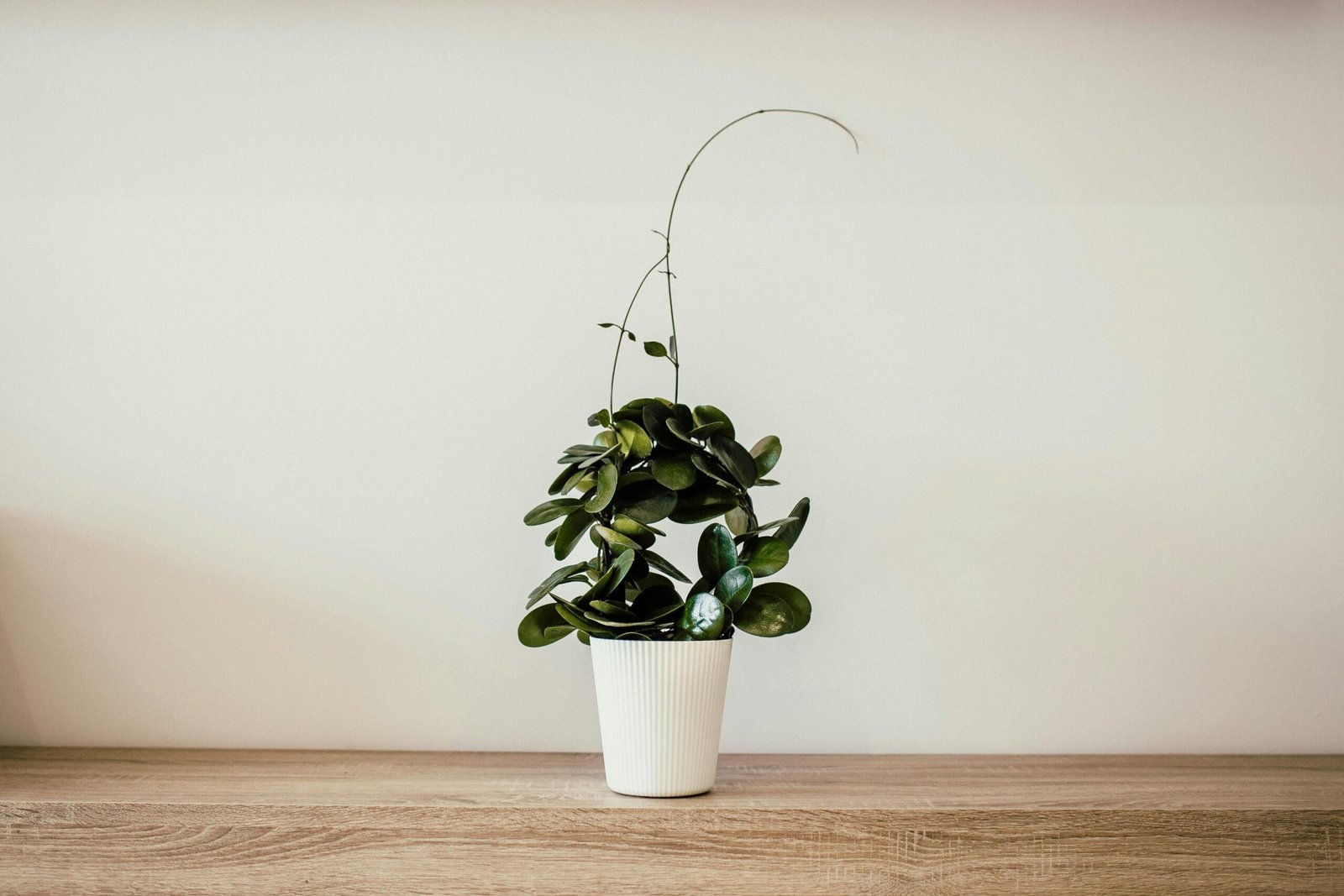
Growing an indoor herb garden is one of the most rewarding and practical ways to bring fresh, aromatic greenery into your home. Whether you’re looking to enhance your cooking with fresh herbs, enjoy the therapeutic benefits of gardening, or add a touch of greenery to your living space, an indoor herb garden is the perfect solution.
Herbs are generally easy to grow indoors, and with the right conditions and care, you can have a thriving herb garden in your kitchen or anywhere in your home. In this article, we’ll provide you with a comprehensive guide on how to grow an indoor herb garden, including the best herbs to grow, essential care tips, and helpful advice for beginners.
1. Why Grow an Indoor Herb Garden?
Indoor herb gardens have many benefits, both practical and aesthetic. Here are a few reasons why you might want to start your own herb garden indoors:
A. Fresh, Flavorful Ingredients
One of the main advantages of growing your own herbs indoors is having fresh, flavorful ingredients at your fingertips. Fresh herbs can elevate the taste of your meals, whether you’re adding them to salads, soups, sauces, or even drinks. Having them easily accessible in your kitchen will make cooking more enjoyable and convenient.
B. Space-Efficient Gardening
Herbs are perfect for indoor gardening because they don’t require a lot of space. Whether you live in a small apartment, have limited outdoor space, or simply want to grow herbs year-round, an indoor herb garden can thrive in small containers or windowsills. This makes it an ideal solution for people living in urban environments or places with cold winters.
C. Improved Air Quality
Herbs, like many indoor plants, can help improve the air quality in your home. Plants absorb carbon dioxide and release oxygen, which can help to purify the air. Additionally, some herbs like basil and lavender have natural air-purifying properties that can enhance the overall atmosphere of your home.
D. Therapeutic and Stress-Relieving
Gardening, even on a small scale, has been shown to have therapeutic benefits. Tending to plants can help reduce stress, increase feelings of relaxation, and even boost your mood. An indoor herb garden provides a calming activity that you can enjoy every day.
2. Choosing the Right Herbs for Indoor Growing
The first step in creating your indoor herb garden is choosing the right herbs. Some herbs are easier to grow indoors than others, and it’s essential to pick varieties that will thrive in the conditions you can provide. Here are some of the best herbs to grow indoors, even for beginners:
A. Basil
Basil is a popular herb used in many dishes, from Italian pasta to Thai curry. It thrives in warm temperatures and needs plenty of sunlight, making it perfect for growing indoors.
- Light Needs: Basil requires around 6-8 hours of direct sunlight per day.
- Watering: Keep the soil moist but not soggy. Water when the top inch of soil is dry.
- Tip: Pinch back the top leaves regularly to encourage bushy growth and prevent the plant from becoming leggy.
B. Mint
Mint is a hardy herb that grows quickly and easily indoors. It’s perfect for adding flavor to drinks, salads, and desserts. However, mint is invasive and can spread rapidly, so it’s best to grow it in its own pot.
- Light Needs: Mint does well in bright, indirect light.
- Watering: Mint prefers evenly moist soil. Water regularly but ensure the soil drains well.
- Tip: Trim the leaves to encourage fresh growth and avoid letting the plant flower.
C. Parsley
Parsley is a versatile herb that adds freshness to a variety of dishes. It can grow well indoors, but it does require a bit of patience, as it can take some time to germinate.
- Light Needs: Parsley prefers 4-6 hours of indirect sunlight daily.
- Watering: Keep the soil moist, but not waterlogged. Allow the top inch of soil to dry out before watering again.
- Tip: Harvest the outer leaves first to allow the plant to grow more leaves from the center.
D. Chives
Chives are easy to grow and perfect for adding flavor to salads, soups, and sandwiches. They grow well indoors, and their mild onion flavor makes them a favorite herb.
- Light Needs: Chives need 4-6 hours of sunlight a day.
- Watering: Chives prefer moderately moist soil, so water when the soil feels dry to the touch.
- Tip: Trim the leaves regularly to keep the plant compact and encourage new growth.
E. Thyme
Thyme is another herb that is well-suited for indoor growing. It is often used in Mediterranean and French cuisine and adds a fragrant, earthy flavor to many dishes.
- Light Needs: Thyme thrives in full sunlight, requiring about 6-8 hours of direct sunlight per day.
- Watering: Allow the soil to dry out between waterings. Thyme prefers slightly drier soil compared to other herbs.
- Tip: Trim the leaves regularly to keep the plant healthy and encourage fresh growth.
F. Oregano
Oregano is a great herb for indoor growing, especially if you love Italian or Mediterranean cooking. It prefers dry, well-drained soil and will do best with bright, indirect light.
- Light Needs: Oregano needs 6-8 hours of direct sunlight per day.
- Watering: Let the soil dry out slightly between waterings, as oregano prefers drier conditions.
- Tip: Trim the leaves to prevent the plant from becoming too woody and to encourage fresh growth.
G. Rosemary
Rosemary is a fragrant herb that can grow well indoors, although it prefers a slightly cooler environment. It’s great for seasoning meats, potatoes, and breads.
- Light Needs: Rosemary needs 6-8 hours of sunlight a day.
- Watering: Allow the soil to dry out between waterings, as rosemary prefers drier conditions.
- Tip: Ensure the plant has good drainage, as rosemary is sensitive to overwatering.
3. Selecting Containers and Soil for Your Indoor Herb Garden
Once you’ve chosen your herbs, it’s time to pick the right containers and soil. The right pot and soil can make a big difference in the success of your herb garden.
A. Choosing Containers
- Size: Choose containers that are at least 6-8 inches in diameter for each herb. Make sure the pots have drainage holes to prevent water from collecting at the bottom, which could lead to root rot.
- Material: Containers can be made of plastic, clay, ceramic, or metal. Plastic pots are lightweight and retain moisture well, while clay and ceramic pots are more breathable but may dry out faster.
- Groupings: If you’re growing multiple herbs, it’s best to use separate containers for each herb, as they may have different water and light requirements. However, you can also group similar herbs together in larger containers if needed.
B. Choosing the Right Soil
Herbs need well-draining, nutrient-rich soil to thrive. A good-quality potting mix designed for indoor plants is ideal, as it provides the right balance of nutrients, moisture retention, and drainage.
- Soil Types: Choose a general-purpose potting mix with added perlite or vermiculite for better drainage. You can also use a specialized herb soil mix if available.
- Soil pH: Most herbs prefer slightly acidic to neutral soil (pH 6.0 to 7.0). Make sure your soil falls within this range for optimal growth.
4. How to Plant Your Herbs
Once you’ve gathered your containers and soil, it’s time to plant your herbs. Here’s a simple step-by-step process:
Step 1: Fill the Containers
Fill your containers with the potting mix, leaving about an inch of space at the top. Gently tap the pot to settle the soil, but avoid compacting it too much.
Step 2: Plant the Herbs
For seedlings or small plants, create a small hole in the center of the soil and place the plant in the hole. Gently press the soil around the roots to hold the plant in place.
If you’re starting with seeds, follow the instructions on the seed packet for depth and spacing, and lightly cover the seeds with soil. Keep the soil moist until the seeds germinate.
Step 3: Water and Position
Water the plants thoroughly after planting to help them settle into the new soil. Place the pots in a location where they can receive the appropriate amount of light, and ensure they are not overcrowded.
5. Caring for Your Indoor Herb Garden
A. Watering
The key to successful herb gardening is finding the right watering balance. Most herbs prefer their soil to dry out slightly between waterings. Be sure to check the soil moisture regularly and adjust watering as needed.
- Water when the soil is dry to the touch: Stick your finger into the soil to check if it’s dry or still moist. Water thoroughly when the top inch of soil is dry.
- Avoid overwatering: Ensure your pots have drainage holes to prevent water from pooling at the bottom of the pot.
B. Light
Herbs need plenty of light to grow strong and healthy. Place your plants in a sunny spot where they can receive at least 4-6 hours of direct sunlight each day. If your home doesn’t get enough natural light, you can use grow lights to supplement.
C. Temperature and Humidity
Herbs generally prefer temperatures between 65°F and 75°F (18°C to 24°C). Keep your plants away from drafts, air conditioners, or heaters, as sudden temperature changes can stress them out.
For herbs that need higher humidity, consider placing a humidity tray underneath the pots or grouping plants together to increase moisture in the air.6. Harvesting Your Herbs
As your herbs grow, you can start harvesting them. Harvesting regularly encourages new growth and helps the plant stay compact and healthy. Here are some tips for harvesting:
- Trim the leaves: Use clean scissors or pruning shears to trim the outer leaves of the plant. Avoid cutting more than one-third of the plant at a time.
- Harvest in the morning: The best time to harvest herbs is in the morning after the dew has dried, but before the heat of the day. This helps retain the herb’s flavor and essential oils.
- Don’t over-harvest: If you’re new to herb gardening, avoid taking too many leaves at once. Let the plant grow back before harvesting again.
Conclusion: Enjoy Your Indoor Herb Garden
Growing your own indoor herb garden is an enjoyable and practical way to enhance your home and your cooking. With the right herbs, containers, and care, you can enjoy fresh, aromatic herbs year-round. Whether you’re using them in your meals, creating DIY herbal teas, or simply enjoying their beauty, your indoor herb garden will become a valuable part of your home.
With this beginner’s guide, you now have all the tools you need to create and care for your own indoor herb garden. Happy gardening!

Isabella Garcia is the creator of a blog dedicated to crafts and home care, focused on making everyday life more creative, organized, and enjoyable. The blog shares practical tips, easy DIY projects, home organization ideas, and simple solutions to take better care of your living space. Whether you’re a beginner in crafting or someone looking for inspiration to improve your home routine, Isabella’s blog offers clear, useful, and hands-on content to help you create a cozy, beautiful, and well-cared-for home.