
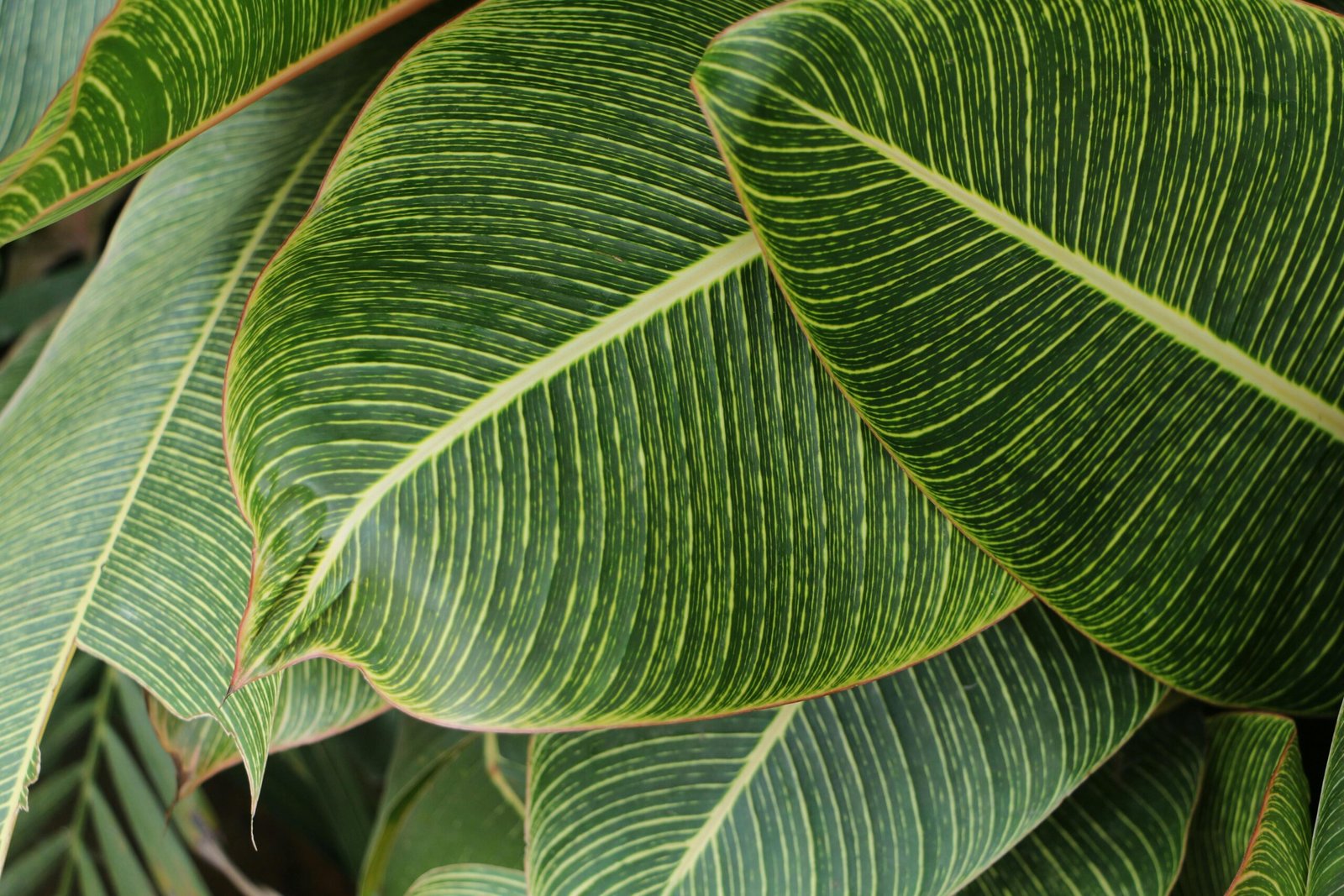
Bonsai trees are miniature trees that are grown in containers and carefully shaped and pruned to maintain their small size. The art of bonsai originated in Japan, and it has become a popular form of indoor gardening worldwide. Bonsai trees are not just plants; they are living art, and they require careful attention and patience to grow. Whether you are a seasoned gardener or a beginner, growing a bonsai tree indoors can be a rewarding and relaxing experience.
In this guide, we will cover everything you need to know about growing and caring for indoor bonsai trees, including how to choose the right tree, proper watering techniques, pruning, and more.
1. What is Bonsai and Why Grow One Indoors?
Bonsai is the Japanese word for “planted in a container,” and it refers to the practice of growing and shaping miniature trees in pots. While the trees themselves are not genetically dwarfs, bonsai techniques are used to control their growth and shape them into aesthetic, artistic forms.
A. Why Grow Bonsai Indoors?
- Space-Saving: Bonsai trees are small and compact, making them perfect for homes with limited space, such as apartments or small houses.
- Aesthetic Appeal: Bonsai trees add a unique and calming touch to your indoor decor. Their graceful branches and delicate leaves can enhance the beauty of any room.
- Mindfulness and Patience: Caring for a bonsai tree requires patience and attention to detail, making it a meditative and rewarding hobby.
- Indoor Enjoyment: Growing bonsai indoors allows you to enjoy the beauty of these trees year-round, regardless of the season.
2. Choosing the Right Indoor Bonsai Tree
Before you start growing a bonsai tree, it’s important to choose a species that is suitable for indoor environments. Some bonsai trees are better suited for outdoor growing, while others thrive indoors. Here are a few popular indoor bonsai species:
A. Ficus Bonsai (Ficus retusa)
Ficus is one of the most popular indoor bonsai species due to its ability to tolerate low light conditions and its easy-care nature.
- Light Needs: Bright, indirect light.
- Watering: Water when the top inch of soil is dry. Ficus trees prefer to stay slightly moist but not waterlogged.
- Care Tips: Ficus trees are forgiving and can tolerate a range of indoor conditions. Be sure to rotate the tree regularly to promote even growth.
B. Chinese Elm Bonsai (Ulmus parvifolia)
The Chinese elm is a hardy indoor bonsai tree that features small, serrated leaves and an attractive bark texture.
- Light Needs: Bright, indirect light.
- Watering: Keep the soil evenly moist. Water when the top of the soil feels dry.
- Care Tips: Chinese elm bonsai trees are relatively low-maintenance and are ideal for beginners. They respond well to pruning and shaping.
C. Jade Bonsai (Crassula ovata)
Jade bonsai is a succulent bonsai that has thick, fleshy leaves and a unique, tree-like appearance. It is known for its resilience and easy care.
- Light Needs: Bright, direct light.
- Watering: Allow the soil to dry completely before watering. Avoid overwatering, as jade bonsai trees are prone to root rot.
- Care Tips: Jade bonsai trees are slow growers and can be shaped easily with regular pruning. Ensure the tree has good drainage.
D. Schefflera Bonsai (Schefflera arboricola)
The Schefflera bonsai is a popular choice for indoor growing because it is easy to care for and has attractive, glossy leaves.
- Light Needs: Bright, indirect light.
- Watering: Water when the top inch of soil is dry. Allow excess water to drain out of the pot.
- Care Tips: Schefflera bonsai trees grow quickly, so regular pruning is necessary to maintain their shape. They also require good humidity levels.
E. Pine Bonsai (Pinus spp.)
While pine trees are generally considered outdoor bonsai, some varieties can adapt to indoor growing conditions, particularly the Japanese black pine or the Norfolk Island pine.
- Light Needs: Bright, indirect light.
- Watering: Water when the soil is dry, but avoid letting it dry out completely.
- Care Tips: Pine bonsai trees require regular trimming and are best suited for experienced bonsai enthusiasts. They may need more space as they grow.
3. Setting Up Your Indoor Bonsai Garden
Once you’ve chosen your bonsai tree, it’s time to set up a proper environment for it to thrive. Proper care and attention to detail are essential when growing bonsai trees indoors.
A. Choosing the Right Pot
Bonsai trees require shallow pots to restrict their growth and maintain their small size. The pot should be wide enough to accommodate the roots but not too large, as this will encourage the tree to grow faster than desired.
- Tip: Choose a pot with drainage holes to ensure excess water can escape. This is essential for preventing root rot.
B. Providing the Right Light
Bonsai trees need plenty of light to stay healthy. While many indoor bonsai trees can tolerate lower light levels, most will thrive in bright, indirect sunlight.
- Tip: Place your bonsai tree near a south-facing window where it will get the most light. If your home lacks sufficient natural light, consider using a grow light to supplement.
C. Maintaining the Right Temperature and Humidity
Bonsai trees generally prefer moderate temperatures between 65°F and 75°F (18°C to 24°C). In winter, avoid placing them near heat sources such as radiators or space heaters, as the dry air can damage the leaves.
- Humidity: Bonsai trees thrive in a moderately humid environment. If the air in your home is too dry, especially during winter, consider using a humidifier or placing a shallow dish of water near the tree to increase humidity levels.
4. Watering and Feeding Your Bonsai Tree
Watering and fertilizing are critical to the health of your bonsai tree. Unlike typical houseplants, bonsai trees require a more attentive watering routine.
A. Watering Your Bonsai Tree
Overwatering or underwatering can cause stress and damage to your bonsai tree. It’s essential to water your bonsai tree properly to maintain its health.
- How to Water: Water your bonsai thoroughly, allowing the water to drain from the bottom of the pot. Never let your bonsai sit in water, as this can lead to root rot.
- When to Water: Bonsai trees should be watered when the top inch of soil feels dry. During the growing season (spring and summer), you may need to water more frequently, while in the dormant months (fall and winter), watering can be reduced.
B. Fertilizing Your Bonsai Tree
Bonsai trees need nutrients to thrive, but since they are grown in small containers, the soil can quickly become depleted of nutrients. Regular fertilizing will help keep your tree healthy.
- How to Fertilize: Use a balanced, water-soluble fertilizer. Apply the fertilizer during the growing season, usually once every 2-4 weeks, but reduce the frequency during the dormant months.
- Tip: Always dilute the fertilizer to half strength to avoid overfeeding, which can damage the roots.
5. Pruning and Shaping Your Bonsai Tree
Pruning and shaping are essential parts of bonsai care. These processes help to maintain the small size of the tree while also improving its overall appearance. There are two main types of pruning: maintenance pruning and structural pruning.
A. Maintenance Pruning
Maintenance pruning involves trimming back the new growth to encourage branching and prevent the tree from becoming too leggy or overgrown. This type of pruning is done regularly during the growing season.
- Tip: Trim back any new shoots that are growing too long, but leave enough foliage to allow the tree to photosynthesize and stay healthy.
B. Structural Pruning
Structural pruning is done to shape the bonsai tree and create the desired form. This type of pruning is typically done less frequently, often once a year or every other year, depending on the growth of the tree.
- Tip: Use bonsai pruning scissors or small shears to carefully remove branches that detract from the desired shape. Be patient, as it can take time for your tree to develop the shape you want.
C. Wiring Your Bonsai Tree
Wiring is another technique used to shape bonsai trees. Copper or aluminum wire is wrapped around the branches and trunk to bend and reposition them. Be cautious when wiring, as improper technique can damage the tree.
- Tip: Check the wire regularly to ensure it’s not cutting into the tree’s bark. Remove the wire once the branches have set in their new position.
6. Common Problems with Indoor Bonsai Trees and How to Fix Them
Even with the best care, bonsai trees can face problems. Here are some common issues and how to resolve them:
A. Leaf Drop
Leaf drop is common in bonsai trees, especially during seasonal changes. It can also be caused by stress from overwatering, underwatering, or changes in temperature.
- Solution: Check your watering routine and ensure your tree is in a stable environment. Avoid sudden temperature changes and keep the tree away from drafts.
B. Yellowing Leaves
Yellowing leaves can be caused by a number of factors, including overwatering, nutrient deficiencies, or poor light conditions.
- Solution: Adjust your watering schedule and check the light levels in your home. If necessary, apply a diluted fertilizer to provide nutrients.
C. Root Rot
Root rot is caused by overwatering or poor drainage. It can cause the roots to decay and lead to plant death if not addressed quickly.
- Solution: If you suspect root rot, remove the tree from its pot, trim away any rotted roots, and repot it in fresh, well-draining soil.
Conclusion: Enjoying Your Bonsai Tree
Growing and caring for an indoor bonsai tree can be a rewarding and relaxing hobby. With the right care, attention, and patience, you can nurture a healthy, thriving bonsai tree that will provide beauty and tranquility to your home for years to come. Whether you’re cultivating a Ficus, a Jade, or a Chinese Elm, the art of bonsai offers endless possibilities for creativity and growth.
By following the tips and guidelines in this guide, you’ll be well on your way to becoming a successful bonsai grower and caretaker. Enjoy the process, and let your bonsai tree become a beautiful, living piece of art in your home.

Isabella Garcia is the creator of a blog dedicated to crafts and home care, focused on making everyday life more creative, organized, and enjoyable. The blog shares practical tips, easy DIY projects, home organization ideas, and simple solutions to take better care of your living space. Whether you’re a beginner in crafting or someone looking for inspiration to improve your home routine, Isabella’s blog offers clear, useful, and hands-on content to help you create a cozy, beautiful, and well-cared-for home.