
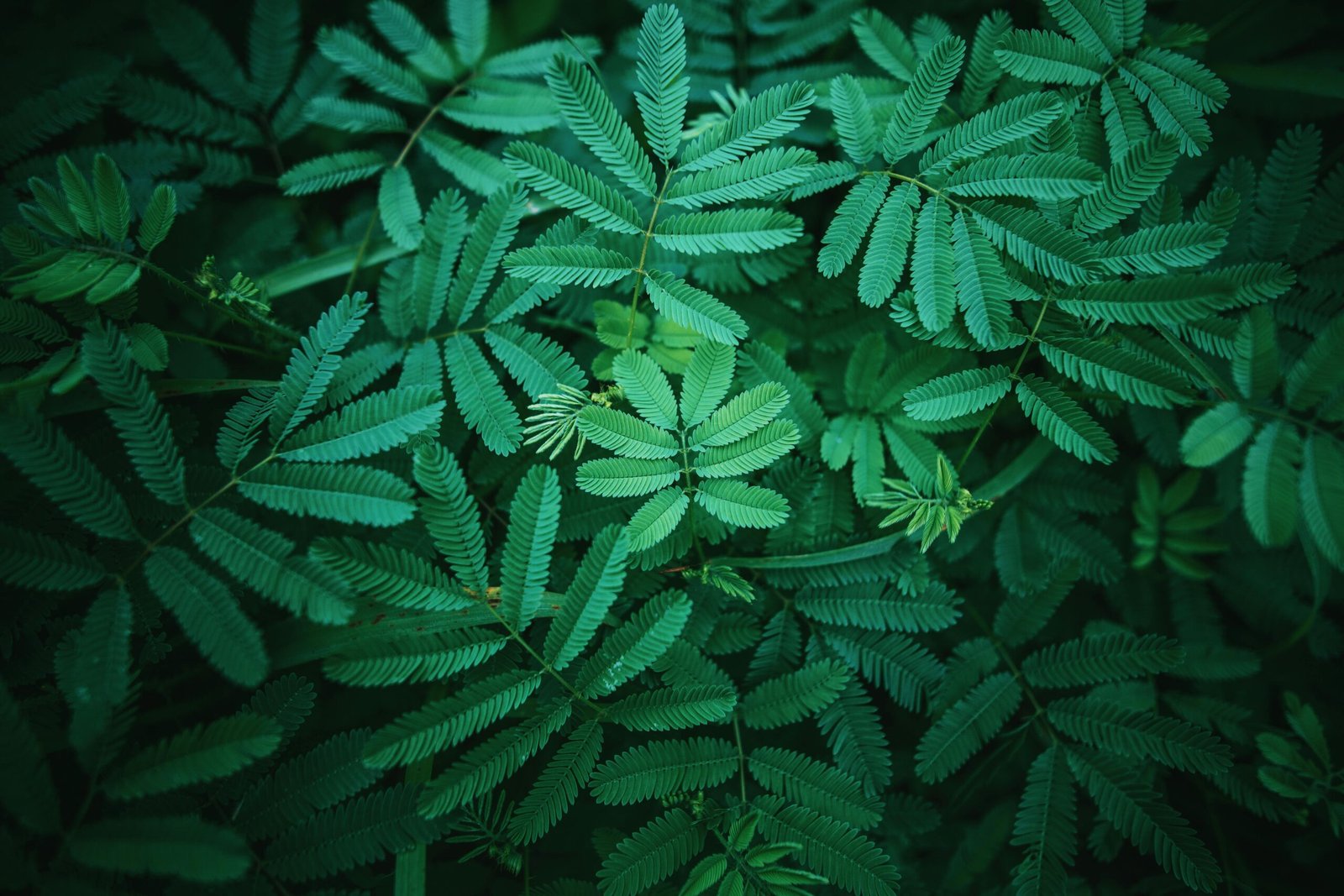
Ferns are some of the most beautiful and versatile indoor plants you can grow. Their lush, green fronds bring a touch of nature to any room, and they thrive in the lower light and humidity conditions that are common in many homes. With their delicate foliage and graceful appearance, indoor ferns can be the perfect addition to your home or office.
However, despite their beauty, ferns do require specific care to keep them healthy. They have particular needs when it comes to light, humidity, and watering, which is why it’s important to understand the right way to care for them. In this guide, we’ll provide you with all the information you need to successfully grow and care for indoor ferns, from choosing the right variety to addressing common problems.
1. Why Choose Indoor Ferns?
Indoor ferns offer numerous benefits that make them a popular choice for plant lovers. Here’s why you should consider adding a fern or two to your indoor garden:
A. Aesthetic Appeal
Ferns are known for their graceful fronds, which come in a variety of shapes and sizes. They add a natural, lush feel to any room and are ideal for creating a calming, green space. Whether you’re looking for a statement plant or a subtle addition to a shelf or table, ferns can complement any décor.
B. Air Purification
Like all plants, ferns contribute to better indoor air quality. They absorb carbon dioxide and release oxygen, helping to freshen up the air. Some types of ferns, such as the Boston fern, are particularly known for their ability to purify indoor air by removing toxins like formaldehyde and xylene.
C. Low-Maintenance
While ferns do require attention, they are generally easy to care for, especially when you provide the right conditions. Ferns do well in indirect light, are relatively pest-resistant, and don’t need to be pruned or shaped frequently. This makes them ideal for people who are new to indoor gardening.
D. Suitable for Low-Light Areas
One of the biggest advantages of indoor ferns is their ability to thrive in lower light conditions, making them perfect for spots that don’t receive a lot of direct sunlight. This makes them versatile and suitable for almost any room in your home.
2. Choosing the Right Type of Fern for Your Home
There are many different types of ferns, but not all are suitable for indoor environments. When choosing a fern for your home, it’s important to consider factors like light requirements, size, and humidity needs. Here are some popular varieties of indoor ferns:
A. Boston Fern (Nephrolepis exaltata)
The Boston fern is one of the most common indoor ferns, known for its feathery, arching fronds. It’s easy to grow and adapts well to indoor conditions.
- Light Needs: Bright, indirect light.
- Humidity: Prefers high humidity, so it’s ideal for kitchens or bathrooms.
- Size: Can grow up to 2-3 feet tall and wide.
B. Maidenhair Fern (Adiantum)
Maidenhair ferns are known for their delicate, lacy fronds and vibrant green color. They are somewhat more finicky than other ferns, but with the right care, they can thrive indoors.
- Light Needs: Bright, indirect light.
- Humidity: High humidity is essential for this fern.
- Size: Typically grows around 12-18 inches tall.
C. Staghorn Fern (Platycerium)
The staghorn fern is an unusual-looking fern with large, antler-like fronds. It’s an epiphytic fern, meaning it can grow on trees or other surfaces in its natural habitat.
- Light Needs: Bright, indirect light.
- Humidity: Prefers moderate to high humidity.
- Size: Can grow quite large, but many indoor varieties stay relatively small.
D. Bird’s Nest Fern (Asplenium nidus)
The bird’s nest fern gets its name from its rosette-shaped, wavy fronds that resemble a bird’s nest. It’s a popular choice for indoor gardeners because it’s hardy and easy to grow.
- Light Needs: Low to moderate indirect light.
- Humidity: Prefers moderate humidity.
- Size: Grows to about 1-2 feet tall and wide.
E. Ferns for Terrariums
Some smaller ferns are well-suited for terrariums, where they can grow in the controlled, humid environment. Types such as the button fern (Pellaea rotundifolia) or the bird’s nest fern are popular choices for these mini ecosystems.
3. Setting Up the Perfect Environment for Indoor Ferns
Ferns thrive when they have the right conditions. Here’s how to set up the perfect environment for your indoor ferns:
A. Light Requirements
While ferns can tolerate lower light levels, they still need some light to thrive. Ferns do best with bright, indirect light, but they can also adapt to lower light conditions. Direct sunlight can scorch their delicate fronds, so avoid placing them in direct sun.
- Tip: Place your ferns near windows where they can receive filtered light or use sheer curtains to diffuse sunlight. If you don’t have enough natural light, you can supplement with grow lights.
B. Temperature and Humidity
Ferns generally prefer temperatures between 60°F and 75°F (16°C to 24°C). They are sensitive to drafts, so avoid placing them near air conditioners or heating vents.
- Humidity: Ferns thrive in high humidity. To create the ideal humidity, you can place your fern in a humid room, such as a kitchen or bathroom. Alternatively, use a humidifier or place a shallow tray of water with pebbles near the plant to increase humidity.
- Tip: Grouping your ferns together can help create a humid microclimate. Ferns release moisture into the air, and grouping them can help maintain the right humidity levels.
4. Watering and Feeding Your Indoor Ferns
Watering and feeding are essential for the health of your indoor ferns. However, ferns are sensitive to both overwatering and underwatering, so it’s important to find the right balance.
A. Watering Your Ferns
Ferns prefer consistently moist soil but do not like to sit in water. Overwatering can lead to root rot, while underwatering can cause the fronds to dry out and turn brown.
- How to Water: Water your ferns when the top inch of soil feels dry. Be sure to water thoroughly, allowing water to drain from the bottom of the pot. Ensure that your pot has good drainage to prevent water from collecting at the bottom.
- Tip: Avoid using hard water, as it can cause mineral build-up. If your tap water is hard, consider using filtered water or rainwater.
B. Feeding Your Ferns
Ferns don’t need to be fertilized frequently, but during the growing season (spring and summer), a light feeding can help promote healthy growth.
- How to Fertilize: Use a balanced, water-soluble fertilizer diluted to half strength. Fertilize once every 4-6 weeks during the growing season, but reduce fertilizing during the dormant period (fall and winter).
- Tip: Use an organic fertilizer or one designed specifically for ferns to avoid chemical buildup in the soil.
5. Pruning and Maintenance
Pruning and maintaining your fern is essential to ensure it stays healthy and looking its best. Ferns can become leggy and overcrowded if not cared for properly.
A. Pruning
Regular pruning helps keep ferns looking neat and encourages new growth. Remove dead, yellowing, or damaged fronds to maintain the plant’s appearance and to allow room for healthy growth.
- Tip: Use clean, sharp scissors or pruning shears to trim the fronds. Always prune at the base of the frond to encourage new growth.
B. Repotting
Ferns will eventually outgrow their pots and need to be repotted. It’s generally recommended to repot your fern every 1-2 years or when the plant becomes root-bound.
- How to Repot: Choose a pot that is 2-3 inches larger in diameter than the current one. Use a well-draining potting mix, and gently loosen the roots before placing the fern in the new pot.
- Tip: Make sure the new pot has drainage holes to prevent water from accumulating at the bottom and causing root rot.
6. Troubleshooting Common Problems with Indoor Ferns
Despite their resilience, ferns can encounter problems, especially when their care needs aren’t met. Here are some common issues you might face with indoor ferns:
A. Brown Tips or Fronds
Brown tips or fronds are a common issue with indoor ferns, usually caused by low humidity or inconsistent watering.
- Solution: Increase humidity around the fern and ensure consistent watering. Don’t let the soil dry out completely, and make sure the fern is not exposed to dry air from heaters or air conditioning.
B. Yellowing Leaves
Yellowing leaves can be caused by overwatering, nutrient deficiencies, or poor light conditions.
- Solution: Check your watering routine, ensure the fern is getting enough light, and feed the plant with a balanced fertilizer to correct nutrient deficiencies.
C. Pests
While ferns are generally pest-resistant, they can still attract aphids, scale, or spider mites, particularly if they’re stressed or unhealthy.
- Solution: Inspect your ferns regularly for pests. If you find any, treat the plant with insecticidal soap or neem oil to eliminate the pests.
7. Conclusion: Enjoying Your Indoor Ferns
Caring for indoor ferns can be a deeply rewarding experience. With the right care—proper light, humidity, watering, and pruning—you can enjoy lush, green fronds that add beauty and tranquility to your home.
Whether you’re cultivating a delicate maidenhair fern or a hardy Boston fern, the process of nurturing your plants and watching them thrive is both fulfilling and enjoyable. With patience and attention, your indoor fern garden will grow into a beautiful oasis that enhances the natural beauty of your space.

Isabella Garcia is the creator of a blog dedicated to crafts and home care, focused on making everyday life more creative, organized, and enjoyable. The blog shares practical tips, easy DIY projects, home organization ideas, and simple solutions to take better care of your living space. Whether you’re a beginner in crafting or someone looking for inspiration to improve your home routine, Isabella’s blog offers clear, useful, and hands-on content to help you create a cozy, beautiful, and well-cared-for home.