
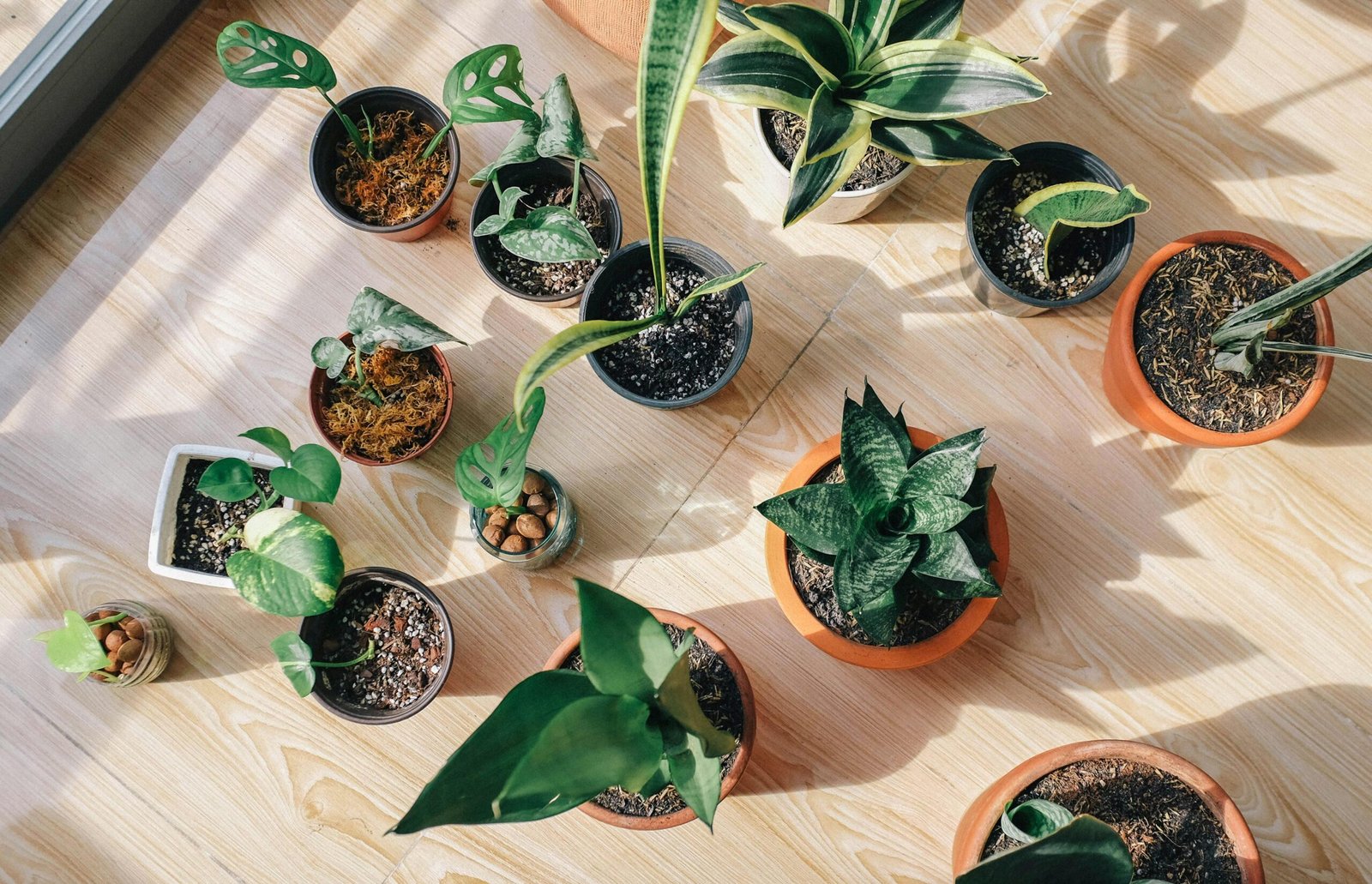
Succulents are among the most popular indoor plants due to their low maintenance and striking appearance. With their fleshy, water-storing leaves, succulents are incredibly resilient and capable of thriving in dry, indoor environments. These plants come in many shapes, sizes, and colors, making them an excellent addition to any home or office space.
Whether you’re a seasoned plant parent or a complete beginner, growing and caring for indoor succulents is easy once you understand their needs. In this article, we’ll provide a comprehensive guide on how to grow and care for succulents indoors, including the best species to grow, ideal growing conditions, and maintenance tips to keep your succulents healthy and thriving.
1. Why Choose Succulents for Indoor Growing?
There are several reasons why succulents are an ideal choice for indoor gardening:
A. Low Maintenance
Succulents are known for being some of the easiest plants to care for. They don’t require frequent watering, making them perfect for people with busy schedules or those who may forget about their plants from time to time. Their ability to survive on minimal care makes them a popular choice for indoor gardening.
B. Aesthetic Appeal
Succulents come in a wide variety of shapes, colors, and textures, making them a visually appealing addition to any space. From the geometric patterns of echeveria to the vibrant colors of kalanchoe, succulents can complement any home decor style, from modern and minimalist to bohemian and eclectic.
C. Air Purification
Like many other plants, succulents can help improve air quality by absorbing carbon dioxide and releasing oxygen. While they may not purify the air as effectively as larger plants, they still contribute to creating a fresher, more breathable environment.
D. Space-Efficient
Succulents don’t need much space to thrive. With their compact size and shallow root systems, they are perfect for small apartments, offices, and tight spaces. You can easily place them on windowsills, shelves, or even create a vertical garden using small pots.
2. Choosing the Right Succulents for Indoor Growth
While most succulents are well-suited for indoor environments, some species are particularly adaptable to low-light conditions and dry indoor air. Here are some of the best succulents for growing indoors:
A. Echeveria
Echeveria is one of the most popular types of succulents due to its beautiful rosette shape and vibrant colors. These plants are available in various shades, including green, purple, pink, and red.
- Light Needs: Echeveria needs bright, indirect light, but can tolerate a few hours of direct sunlight each day.
- Watering: Water thoroughly when the soil is completely dry. Echeveria does not like to sit in moist soil.
- Size: Typically grows up to 6-8 inches in diameter.
B. Jade Plant (Crassula ovata)
Jade plants are known for their thick, fleshy leaves and woody stems. They are considered symbols of good luck and prosperity, making them a popular gift plant.
- Light Needs: Jade plants require bright, indirect light but can tolerate some direct sunlight.
- Watering: Water when the top inch of soil is dry. These plants prefer slightly dry conditions and are susceptible to root rot if overwatered.
- Size: Can grow up to 3 feet tall if given enough time and space.
C. Aloe Vera
Aloe vera is not only easy to grow but also offers medicinal benefits. The gel inside its leaves is commonly used to soothe burns and wounds.
- Light Needs: Aloe vera prefers bright, indirect light and can tolerate a few hours of direct sunlight.
- Watering: Water when the soil is dry to the touch. Aloe vera is a succulent, so it prefers drier conditions.
- Size: Aloe vera can grow up to 1-2 feet tall.
D. Snake Plant (Sansevieria trifasciata)
Although often categorized as a low-maintenance houseplant, the snake plant is technically a succulent. Its tall, upright leaves make it a popular indoor plant, and it’s known for its ability to tolerate low light.
- Light Needs: Snake plants do well in both low and bright light conditions, making them versatile for various indoor locations.
- Watering: Allow the soil to dry out between waterings. Overwatering can lead to root rot.
- Size: Snake plants can grow up to 2-3 feet tall, depending on the variety.
E. Kalanchoe
Kalanchoe is a flowering succulent known for its colorful blooms, which can range from red to pink, yellow, and orange. It’s perfect for adding color to your indoor space.
- Light Needs: Kalanchoe thrives in bright, indirect light and can handle a few hours of direct sunlight each day.
- Watering: Water when the soil is dry. These plants prefer to dry out completely between waterings.
- Size: Typically grows between 6-12 inches tall.
F. Sedum
Sedum, also known as “stonecrop,” is a hardy succulent that comes in a wide variety of colors and textures. It is known for its ability to thrive in poor soil and low-water conditions.
- Light Needs: Sedum prefers full sun, but it can tolerate some indirect light indoors.
- Watering: Water sparingly, allowing the soil to dry completely between waterings.
- Size: Some sedum varieties can grow up to 12 inches tall, while others are smaller and more compact.
3. Preparing the Right Growing Conditions for Succulents
Succulents need specific environmental conditions to thrive. Here are the essential elements to consider:
A. Light Requirements
Succulents generally need bright, indirect light to thrive. If possible, place them near windows that receive at least 4-6 hours of sunlight a day. If your space doesn’t receive enough natural light, you can supplement with a grow light.
- Positioning: Place your succulents near a south-facing window, which provides the most sunlight. If you only have east- or west-facing windows, try to place your plants in a spot that receives light for several hours a day.
- Artificial Lighting: If natural light is limited, you can use LED grow lights to supplement. These lights are designed to mimic sunlight and can be placed above your succulents.
B. Temperature and Humidity
Succulents thrive in moderate temperatures, typically between 60°F and 80°F (15°C to 27°C). They are more tolerant of heat than cold and should not be exposed to temperatures below 50°F (10°C).
- Avoid Drafts: Keep succulents away from cold drafts, air conditioners, and heaters, as these can cause stress to the plants.
- Humidity: Succulents prefer dry air and don’t need high humidity to thrive. In fact, excessive humidity can lead to rot, so avoid placing your succulents in bathrooms or other high-humidity areas.
C. Containers and Soil
Choosing the right pot and soil is crucial for your succulent’s health. Succulents require well-draining soil to prevent water from sitting at the roots, which can cause root rot.
- Containers: Use pots with drainage holes to ensure excess water can escape. Avoid pots that don’t have drainage, as water will accumulate at the bottom and may cause the roots to rot.
- Soil: Use a cactus or succulent potting mix, which is specially designed for good drainage. You can also add perlite or sand to regular potting soil to improve drainage.
4. Watering Succulents
Watering succulents is one of the most important aspects of their care. Because succulents store water in their leaves, they can tolerate drought conditions and don’t need frequent watering.
A. When to Water
The general rule is to water succulents when the soil is completely dry. Stick your finger into the soil to check its moisture level—if it feels dry, it’s time to water.
- Watering Frequency: Depending on the temperature, humidity, and light conditions in your home, you may need to water your succulents every 1-2 weeks. During the winter months, they may need less frequent watering as they go into dormancy.
B. How to Water
When you water your succulents, water thoroughly until excess water begins to drain from the bottom of the pot. This ensures that the roots receive enough moisture. Be sure to empty the saucer under the pot after watering to avoid the plant sitting in stagnant water.
- Watering Technique: Avoid getting water on the leaves or stem of the plant. Focus on watering directly at the base to prevent rot and fungal growth.
5. Fertilizing Succulents
Succulents don’t need a lot of fertilizer, but occasional feeding can promote healthy growth. Use a balanced, water-soluble fertilizer diluted to half strength.
- Frequency: Fertilize succulents during the growing season (spring and summer) every 4-6 weeks. Avoid fertilizing during the winter months when the plant is dormant.
6. Troubleshooting Common Problems with Succulents
Even with minimal care, issues can arise. Here are some common problems and how to solve them:
A. Yellowing Leaves
Yellowing leaves can indicate overwatering or poor drainage. Ensure that the soil is drying out completely between waterings, and make sure the pot has adequate drainage.
B. Leggy Growth
If your succulent becomes leggy or stretched out, it may not be getting enough light. Move the plant to a brighter location or supplement with a grow light.
C. Root Rot
Root rot is a common issue caused by overwatering. If you notice wilting or mushy stems, remove the plant from the pot and inspect the roots. Trim any rotting roots, let the plant dry out for a few days, and repot in fresh, dry soil.
Conclusion: Enjoying Your Indoor Succulents
Succulents are a beautiful and low-maintenance addition to any indoor space. With their unique shapes, colors, and minimal care needs, they are perfect for both beginner gardeners and seasoned plant lovers. By understanding their light, watering, and soil needs, you can create a thriving environment for your succulents and enjoy their beauty for years to come.
With this guide, you now have the knowledge and tools to grow and care for indoor succulents. Whether you’re adding a few plants to your windowsill or creating a succulent garden in your living room, these plants will thrive with the right care. Happy gardening!

Isabella Garcia is the creator of a blog dedicated to crafts and home care, focused on making everyday life more creative, organized, and enjoyable. The blog shares practical tips, easy DIY projects, home organization ideas, and simple solutions to take better care of your living space. Whether you’re a beginner in crafting or someone looking for inspiration to improve your home routine, Isabella’s blog offers clear, useful, and hands-on content to help you create a cozy, beautiful, and well-cared-for home.