
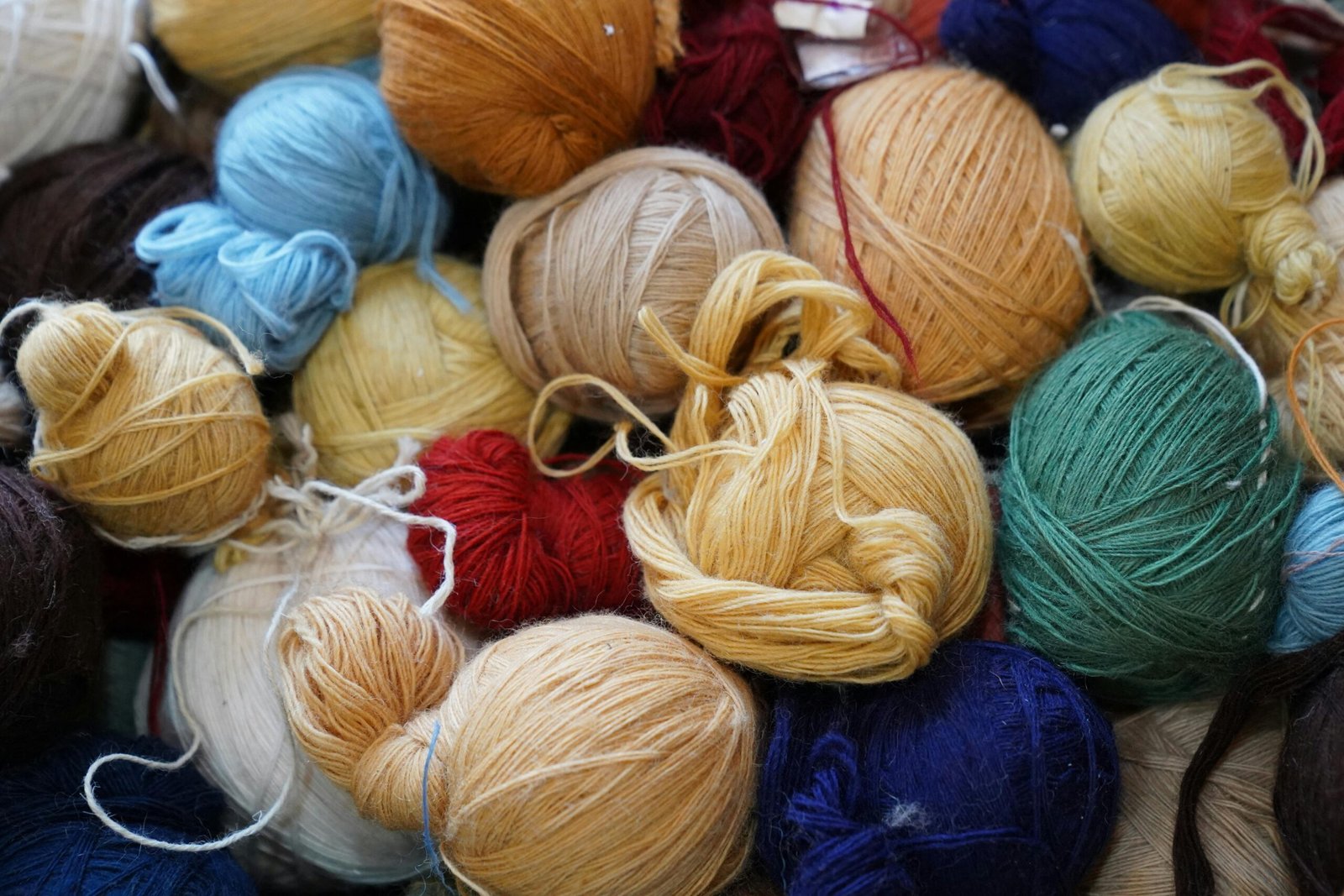
One of the biggest “hidden” challenges in crochet isn’t learning a stitch—it’s learning how to hold everything without feeling awkward. In the beginning, your hook feels slippery, your yarn feels unruly, and your hands don’t know how much tension to apply. That can make even a simple chain stitch feel frustrating.
Here’s the encouraging truth: feeling clumsy at first is completely normal. Crochet is a coordination skill, and your hands are building muscle memory. With a few beginner-friendly grip options, a clear way to manage yarn tension, and a setup that protects your wrists and shoulders, you can get comfortable faster—and your stitches will become more even almost automatically.
This guide will show you practical ways to hold your crochet hook and yarn, how to choose what works for your hands, and how to avoid the common beginner traps that lead to tight stitches and sore fingers.
Why Holding the Hook and Yarn Matters More Than You Think
Crochet stitches are made of loops. If your hands squeeze the hook too hard or your yarn tension is too tight, those loops shrink and stiffen. That leads to:
- Difficulty inserting the hook into stitches
- Uneven stitch size (especially at the start of rows)
- Hand fatigue and wrist soreness
- Frustration that feels like “I’m just bad at crochet”
Most of the time, it’s not a skill problem. It’s a grip-and-tension problem. When your hands are comfortable, crochet becomes smoother—and smoother crochet creates better-looking fabric.
The Two Most Common Crochet Hook Grips
There is no single correct way to hold a crochet hook. There’s only the way that gives you control without strain. Most crocheters fall into one of two main grips.
Pencil Grip
You hold the hook like a pencil, using your fingers for small, precise movements.
Why beginners like it:
- Feels familiar if you write/draw a lot
- Encourages fine control
- Often helps with detailed stitches
Possible downside:
- Some people grip too tightly with fingertips and get hand fatigue faster
How to try it:
- Rest the hook against your index finger
- Pinch the hook lightly with thumb and middle finger
- Keep your wrist relaxed and let the hook move in small arcs
Knife Grip
You hold the hook like a table knife, with your hand more over the handle.
Why beginners like it:
- Feels stable and strong
- Can reduce finger strain by spreading effort through the hand
- Often works well for thicker yarns and bigger hooks
Possible downside:
- Some people use too much wrist motion at first
How to try it:
- Wrap your hand around the handle
- Place thumb on the flat area (if your hook has one)
- Use your fingers to guide and your wrist to assist gently
How to Choose Between Pencil and Knife Grip
Try both grips for five minutes each with simple chaining. Then ask yourself:
- Which grip feels more relaxed?
- Which grip gives you control without squeezing?
- Which grip makes it easier to pull yarn through loops?
Choose the grip that feels easiest today. You can always switch later. Many crocheters even switch grips depending on the project (tight amigurumi vs loose scarf).
Where Your Fingers Should Sit on the Hook
Many crochet hooks have a “thumb rest” area or a flattened section. That area exists to help you keep the hook steady without squeezing.
A simple beginner placement:
- Thumb rests on the thumb rest/flat area
- Index finger helps guide the hook
- Middle finger supports the hook from underneath
- Ring finger and pinky relax (they don’t need to work hard)
If your pinky or ring finger is cramping, you’re likely gripping too tightly.
Yarn Tension: What It Is and Why Beginners Struggle
“Tension” is just how tightly you control the yarn as it feeds through your fingers. Beginners often tighten yarn because it feels like the only way to control the loop size. The problem is that tight tension makes crochet harder, not easier.
If tension is too tight:
- The hook won’t glide through loops
- The fabric becomes stiff
- Your hands work harder than necessary
If tension is too loose:
- Stitches can look messy and uneven
- Edges can become wavy
- It’s harder to match stitch height
The goal is steady tension, not perfect tension.
Three Beginner-Friendly Ways to Hold Yarn for Tension
There are many ways to wrap yarn. Here are three reliable options that are easy to test.
Option 1: The Simple Index Finger Feed
This is a great starting point.
- Let the yarn run over your index finger
- Hold the work with your thumb and middle finger
- Use the index finger to lift or lower the yarn slightly
Best for: beginners who want minimal wrapping
Watch out for: yarn sliding too freely (add one wrap around a finger if needed)
Option 2: One Wrap for Gentle Control
If yarn slips too easily, add a single wrap.
- Yarn comes from the skein
- Wrap once around your pinky or ring finger
- Then run it over your index finger
Best for: beginners who need a bit more resistance
Watch out for: wrapping too tightly (it should feel like a guide, not a rope)
Option 3: Two-Finger Control for Extra Stability
Some people prefer more control, especially with slippery yarn.
- Yarn wraps lightly around the pinky
- Passes under the ring finger
- Over the index finger
Best for: slippery yarns or looser crocheters
Watch out for: tension becoming overly tight (keep the wraps loose)
The Most Important Beginner Rule: Don’t Strangle the Yarn
Your yarn should slide through your fingers. If it’s not sliding, you’re forcing tension instead of guiding it.
A helpful “tension check”:
- Pull the working yarn gently with your other hand
- If it doesn’t move easily through your fingers, loosen your wraps
You want friction, not a clamp.
How to Hold the Work While You Crochet
Beginners often forget that the non-hook hand has two jobs:
- control yarn tension
- stabilize the fabric
A simple way to hold your work:
- Pinch the fabric near the active stitch with thumb and middle finger
- Keep that pinch close to your hook so the stitch area stays stable
- As your project grows, slide your pinch along
If you hold too far away from the hook, the fabric wobbles and stitches become inconsistent.
Left-Handed Crochet Basics
If you crochet left-handed, you can still use all the same grip ideas—just mirrored. Left-handed crocheters typically:
- Hold the hook in the left hand
- Control yarn tension with the right hand
Many patterns are written for right-handed orientation, but the stitches are the same. If you watch tutorials, searching specifically for left-handed demonstrations can save time—but you can absolutely learn by mirroring right-handed videos too.
How Your Hook Choice Affects Comfort
Sometimes your grip is fine—your hook is the problem.
Standard Hooks vs Ergonomic Hooks
- Standard hooks are slim. Great for short sessions, but can cause fatigue if you grip tightly.
- Ergonomic hooks have thicker handles (rubber/silicone/contoured). They reduce squeezing and can help prevent cramps.
If your hand aches quickly, an ergonomic hook can make crochet feel dramatically better.
Hook Material: Aluminum, Bamboo, Plastic
- Aluminum: smooth glide, common beginner choice
- Bamboo/Wood: slightly grippy, good if stitches slide too much
- Plastic: varies in quality; some snag
If you feel like the hook “sticks” to the yarn, try smoother material. If stitches slide off too easily, try wood/bamboo.
Posture and Setup: Protect Your Wrists, Neck, and Shoulders
Crochet is small motion work, which means posture matters more than you think.
Your Best Beginner Setup
- Sit with feet supported (flat on floor or footrest)
- Keep elbows close to your body (not floating high)
- Rest forearms on armrests or a pillow if possible
- Keep shoulders down and relaxed
- Raise your work closer to eye level if you’re hunching
A pillow in your lap can be surprisingly helpful. It lifts your work so you don’t crane your neck.
Lighting Matters
Poor lighting makes you lean forward and squint, which leads to tension everywhere.
If you can, use:
- bright overhead light
- plus a small lamp aimed at your hands
Seeing stitches clearly helps you relax.
The #1 Beginner Problem: Tight Chains and Tight First Rows
Many beginners chain too tightly, then can’t insert the hook into the chain. This is incredibly common.
Why it happens
- You pull the yarn tight after each chain to “make it neat”
- Your fingers are stiff because you’re concentrating
- Your hook is too small for the yarn
Fixes that work fast
- Consciously loosen the chain stitches
- Use a hook 0.5 mm larger for the foundation chain only
- Practice making chains where each loop is the same size as the hook shaft
A good rule: the loop should slide along the hook without effort.
How to Build Even Tension (Without Overthinking)
Even tension doesn’t come from forcing your hands. It comes from repetition with relaxed control.
Try the “Slow and Same” Method
For 5–10 minutes:
- Make a chain of 25
- Stop and look at it
- Are some chains tiny and others huge?
- Repeat, aiming for “same size” instead of “tight”
If you want a simple mantra: same motion, same loop size, same pace.
Use the Hook Shaft as Your Measuring Tool
When you pull a loop up, keep it about the same height each time—roughly aligned with the hook shaft. Beginners sometimes pull loops too tall or too short, which makes stitches uneven.
A Beginner Practice Routine That Improves Comfort Quickly
Try this short routine 3–4 times a week:
Step 1: Warm-up Chains (2 minutes)
- Chain 20 slowly
- Focus on relaxed shoulders and loose grip
Step 2: Single Crochet Rows (5 minutes)
- Chain 16
- Single crochet across
- Chain 1, turn
- Single crochet back
- Focus on sliding the hook through without force
Step 3: “Relax Reset” (30 seconds)
- Drop your shoulders
- Shake hands gently
- Roll wrists slowly
Step 4: Repeat One More Short Set (5 minutes)
That’s it. Short sessions build muscle memory without turning crochet into a strain workout.
How to Tell If You’re Gripping Too Hard
You’re probably gripping too hard if:
- Your thumb feels sore
- Your hook leaves an indentation in your fingers
- Your hand cramps after 5–10 minutes
- Your stitches are consistently tight
- You feel tense in shoulders and neck
Quick fixes
- Hold the hook slightly farther back on the handle
- Switch to an ergonomic hook
- Loosen yarn wraps
- Take micro-breaks every 10 minutes
Crochet is a long-game hobby. Comfort matters.
Common Beginner Questions About Holding Hook and Yarn
“My yarn keeps slipping and I can’t control it.”
Add one gentle wrap around a finger. Don’t squeeze harder—guide the yarn.
“My stitches look uneven. Is it my grip?”
Often it’s tension changes at row starts. Slow down on the first 3 stitches of each row. That’s where many beginners tighten.
“My wrists hurt.”
Check posture first. If your wrist is doing all the motion, try using more finger movement and less wrist swinging. Also take breaks and consider a thicker-handled hook.
“I feel clumsy switching between stitches.”
That’s normal. Your hands are building a new “path.” Practice one stitch type for several rows before switching.
When It’s Okay to Change Your Technique
You don’t need to lock into one grip forever. It’s totally normal to evolve.
You might change technique when:
- You start crocheting longer sessions
- You switch to thinner yarn or smaller hooks
- You make tighter projects (like small stuffed shapes)
- You discover one grip causes fatigue
Crochet is personal. The “best” method is the one you can do comfortably for years.
The Main Takeaway: Comfort Creates Consistency
When beginners struggle, they often assume they lack skill. But most early frustration comes from tight grip, tight yarn tension, and awkward posture—not from inability.
Start with a relaxed hook grip (pencil or knife), choose one simple yarn tension method, keep your shoulders down, and give your hands short, steady practice. Comfort leads to smoother movement, smoother movement leads to more even stitches, and suddenly crochet starts feeling fun.
Isabella Garcia is the creator of a blog dedicated to crafts and home care, focused on making everyday life more creative, organized, and enjoyable. The blog shares practical tips, easy DIY projects, home organization ideas, and simple solutions to take better care of your living space. Whether you’re a beginner in crafting or someone looking for inspiration to improve your home routine, Isabella’s blog offers clear, useful, and hands-on content to help you create a cozy, beautiful, and well-cared-for home.