
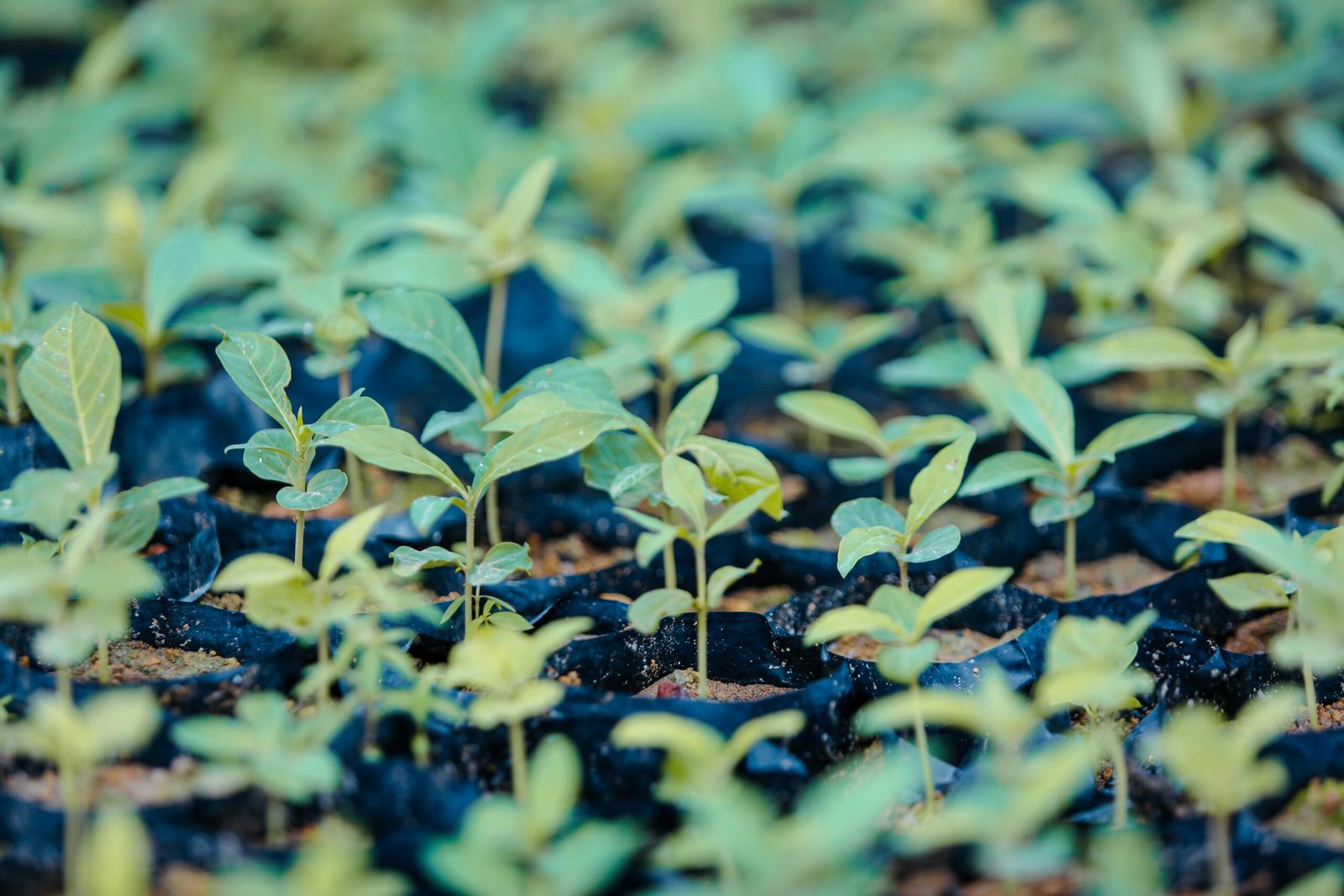
Winter can be a challenging time for indoor plants. The shorter days, cooler temperatures, and dry indoor air can make it harder for your plants to thrive. However, with the right care and attention, your indoor plants can not only survive the winter months but continue to flourish. Understanding how to adjust your plant care routine to meet the challenges of winter is key to keeping them healthy and vibrant.
In this guide, we’ll explore essential tips and tricks for keeping your indoor plants healthy during the cold months. From adjusting watering routines to ensuring your plants get enough light and humidity, we’ll cover everything you need to know to care for your plants through winter and beyond.
1. Why Winter Can Be Tough for Indoor Plants
Winter brings a series of challenges for indoor plants, and understanding these challenges can help you better prepare. Here are some of the key factors that make winter a difficult season for indoor gardening:
A. Reduced Light
One of the most significant changes in winter is the reduction of natural light. Days are shorter, and the angle of the sun changes, meaning your plants may not be receiving the same amount of light they were getting during the warmer months. For many plants, light is essential for photosynthesis, so lower light levels can cause stress and hinder their growth.
B. Dry Air and Low Humidity
Indoor heating systems, air conditioners, and cold outdoor air can make indoor air dry, which isn’t ideal for many plants. Dry air can lead to wilting leaves, brown leaf edges, and overall stress. Tropical plants, in particular, thrive in higher humidity levels, so the winter air can be especially harsh on them.
C. Cooler Temperatures
While your indoor plants are safe from freezing temperatures, they are still susceptible to cold drafts, especially if you live in an area with significant seasonal temperature fluctuations. Cold air from windows, doors, or air conditioning units can stress plants and cause leaf drop or slow growth.
D. Slower Growth and Dormancy
Many indoor plants naturally enter a period of dormancy in the winter, slowing their growth due to the reduced light and cooler temperatures. This means your plants may not require as much water or nutrients, but it also means they are more vulnerable to stress and disease. Understanding how to care for them during this slower growth period is essential.
2. Adjusting Watering for Winter
Watering is one of the most important aspects of plant care, and it’s particularly important to adjust your watering routine during the winter months. Overwatering or underwatering can both be problematic, and the colder temperatures can make it harder to gauge when your plants need water.
A. Water Less Frequently
During the winter, most indoor plants grow more slowly and therefore need less water. The cooler temperatures and reduced light levels mean that the soil will dry out more slowly. Overwatering can lead to root rot, which is especially problematic in the winter when plants are less active.
- Tip: Before watering, check the moisture level of the soil. Stick your finger about an inch into the soil—if it feels dry, it’s time to water. If it still feels moist, wait a few days before checking again.
- Tip: Use a moisture meter to get a more accurate reading of the soil’s moisture levels, especially for plants in larger pots.
B. Ensure Proper Drainage
During winter, plants may not be able to absorb water as quickly due to their slower growth. This makes proper drainage even more critical. Standing water in the pot can lead to root rot, so always make sure your pots have drainage holes. Allow excess water to escape freely.
- Tip: Use saucers under your pots to catch excess water and prevent it from damaging your furniture or floors.
C. Avoid Watering Leaves
Water droplets on the leaves, especially during cold weather, can lead to fungal infections or mildew. When watering your plants, try to focus on watering the soil directly, avoiding the leaves as much as possible.
3. Maximizing Light for Indoor Plants
Light is one of the most important factors for plant health, and during the winter months, many indoor plants can suffer from a lack of sufficient sunlight. Here’s how to maximize the light exposure for your plants:
A. Move Plants to Brighter Locations
To make sure your plants are getting enough light, place them near the brightest windows in your home. South-facing windows typically receive the most direct sunlight, while east- and west-facing windows provide good indirect light.
- Tip: Move your plants closer to windows during the winter months, but be mindful not to place them too close to the glass, as cold drafts can stress them.
- Tip: Rotate your plants regularly to ensure all sides receive equal exposure to light. This prevents them from becoming lopsided or “reaching” toward the light source.
B. Use Grow Lights
If your home doesn’t receive enough natural light, or if your plants are struggling due to insufficient light, consider using artificial grow lights. LED grow lights or fluorescent lights can provide the full spectrum of light that your plants need for photosynthesis.
- Tip: Place grow lights 6-12 inches above the plants and keep them on for 12-14 hours a day. This will mimic natural daylight hours and encourage healthy growth during the darker winter months.
- Tip: Use a timer for your grow lights so they turn on and off automatically, simulating the natural light cycle.
C. Clean Your Windows
Dust and grime on your windows can block natural sunlight and reduce the amount of light your plants receive. Clean your windows regularly to ensure they’re letting in as much light as possible.
4. Managing Temperature and Humidity for Indoor Plants
Temperature and humidity levels play a crucial role in plant health, and they can be especially challenging to manage in winter.
A. Keep Temperature Consistent
Indoor plants thrive in stable temperature conditions. During the winter, it’s important to maintain a consistent temperature in the room where your plants are located. Most indoor plants do well in temperatures between 60°F and 75°F (15°C to 24°C). Avoid placing plants near heaters, radiators, or air conditioners, as these can cause temperature fluctuations and dry out the plants.
- Tip: Keep your thermostat set at a consistent temperature to maintain a stable environment for your plants.
B. Increase Humidity
Many indoor plants, especially tropical varieties, thrive in higher humidity levels. The dry air in winter, caused by heating systems, can cause your plants to become stressed. You can help increase humidity by:
- Using a Humidifier: Place a humidifier near your plants to increase the moisture in the air. This is particularly useful if you have multiple plants or plants that require higher humidity.
- Misting: Lightly mist the leaves of your plants with water. However, avoid doing this too often, as excessive moisture on the leaves can encourage mold growth.
- Placing Plants on a Humidity Tray: Set a shallow tray filled with pebbles and water beneath your plants. As the water evaporates, it will raise the humidity around the plant.
C. Avoid Cold Drafts
Cold drafts can cause stress for your plants, so avoid placing them near drafty windows or doors. If your plants are located near windows, make sure to insulate them with heavy curtains or blinds to block out the cold air.
- Tip: If your plants are near windows, move them away from the glass during particularly cold weather, especially if your windows are old or poorly insulated.
5. Fertilizing Indoor Plants During Winter
In general, most indoor plants require less fertilizer during the winter months. As plants slow down their growth, they don’t need as many nutrients. Over-fertilizing during this time can lead to nutrient imbalances and damage the plants.
A. Reduce Fertilization
Cut back on fertilizing in the winter months, as your plants are likely in a dormant or slow-growing phase. Use a diluted, balanced fertilizer once a month or skip it entirely if your plants aren’t showing signs of active growth.
- Tip: If you’re growing plants that require fertilizer for blooming or fruiting (such as orchids or peppers), continue feeding them with a diluted fertilizer once a month.
B. Use Organic Fertilizers
If you prefer to use organic fertilizers, consider options like compost tea or fish emulsion. These slow-release fertilizers are gentle on plants and provide nutrients in a natural form.
6. Monitoring for Pests and Diseases
Indoor plants can still fall victim to pests and diseases during the winter months. The stress of lower light levels, dry air, and temperature fluctuations can make plants more susceptible to infestations.
A. Regular Inspections
Inspect your plants regularly for signs of pests like spider mites, aphids, mealybugs, or scale insects. These pests are often hidden on the undersides of leaves or around the base of the plant.
- Tip: Use a magnifying glass to closely examine your plants, especially their leaves and stems, for any small pests or signs of infestation.
B. Organic Pest Control
If you notice pests, use organic methods like neem oil, insecticidal soap, or diatomaceous earth to treat your plants. These products are safe for most indoor plants and can help manage infestations without harming the plant or environment.
Conclusion: Keeping Your Indoor Plants Healthy in Winter
Winter doesn’t have to be a stressful time for your indoor plants. With the right care and attention, you can ensure your plants remain healthy and vibrant throughout the colder months. By adjusting your watering routine, maximizing light exposure, maintaining proper temperature and humidity, and monitoring for pests, you can create an ideal winter environment for your plants.
Use the tips and strategies outlined in this guide to help your plants not only survive but thrive during the winter. Whether you’re growing herbs, tropical plants, or decorative flowers, your indoor garden can continue to bring beauty and freshness to your home all year long.

Isabella Garcia is the creator of a blog dedicated to crafts and home care, focused on making everyday life more creative, organized, and enjoyable. The blog shares practical tips, easy DIY projects, home organization ideas, and simple solutions to take better care of your living space. Whether you’re a beginner in crafting or someone looking for inspiration to improve your home routine, Isabella’s blog offers clear, useful, and hands-on content to help you create a cozy, beautiful, and well-cared-for home.