
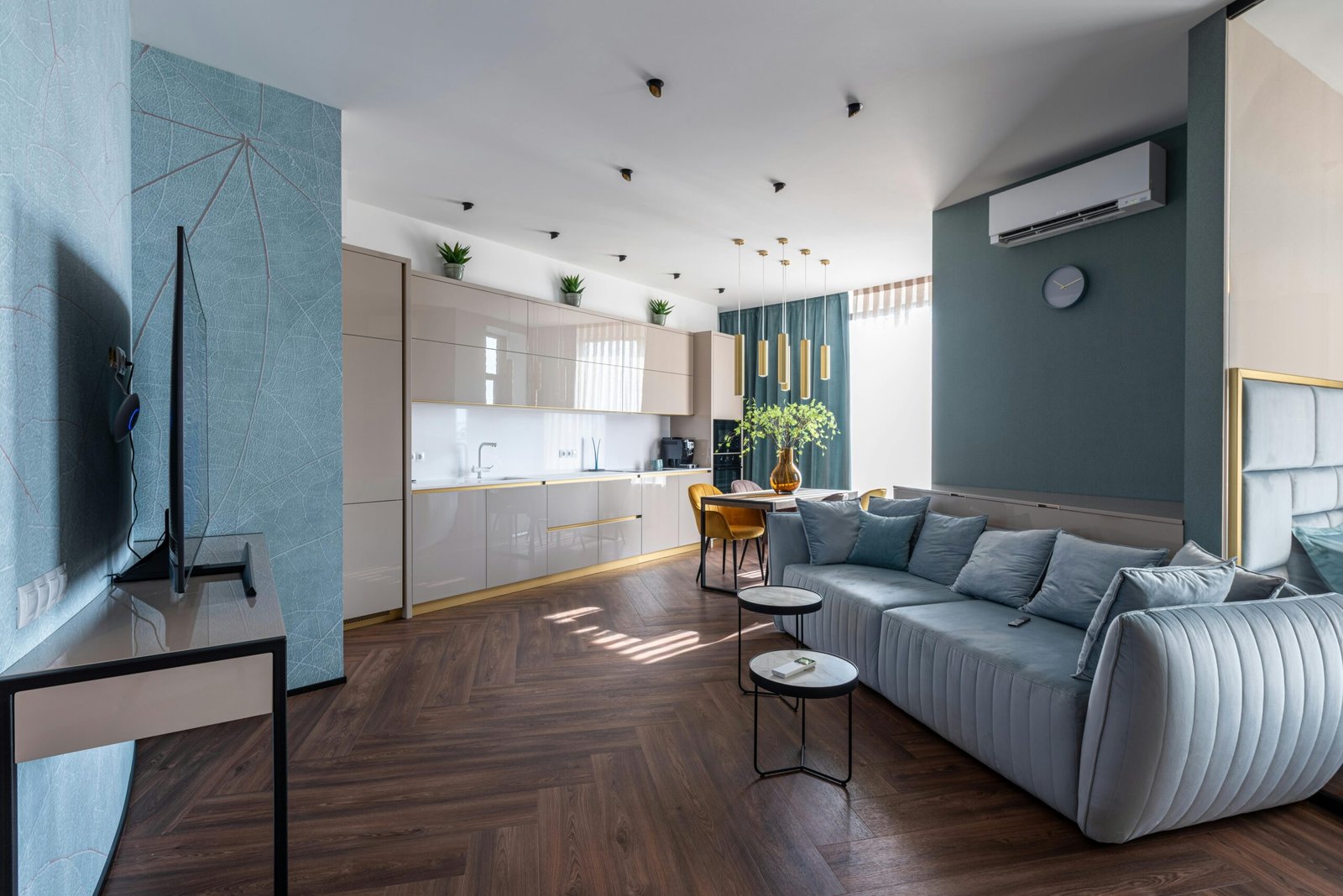
A home that looks “expensive” usually isn’t about expensive furniture. It’s about intention. It’s the feeling that every piece belongs, that the space is balanced, and that the details are finished. You can absolutely create that look in a normal home or apartment—without renovations, and without buying a whole new set of furniture.
The goal is not to copy a showroom. The goal is to make your space feel calm, cohesive, and elevated—like someone cared enough to plan it. In this article, you’ll learn the practical upgrades that create the biggest impact: layout, lighting, textiles, color, scale, and finishing details. These are the exact categories that most “high-end” rooms get right.
Start With the Mindset: Expensive Looks = Fewer, Better Choices
One of the biggest differences between a budget room and an elevated room is how crowded it feels.
A high-end room usually has:
- fewer items on display
- more breathing room on surfaces
- larger pieces instead of many small ones
- consistent finishes and colors
- layered lighting
You don’t have to own less. You just have to show less.
A simple rule that works: Edit first, buy later. Most rooms don’t need more decor—they need clearer structure.
Upgrade #1: Declutter and “Curate” Your Surfaces
If your coffee table, console, shelves, and counters are full, the room will rarely look expensive—even if every item is nice.
The fast surface reset
Pick one surface at a time (coffee table, console, TV stand, dresser) and do this:
- Remove everything.
- Put back only what you use daily.
- Add 2–3 decor items max.
That’s it.
The “luxury styling” formula
Use this simple trio on most surfaces:
- one base item (tray or book stack)
- one tall item (lamp or vase)
- one small personal item (bowl, candle-style decor, or object)
Leave space empty. Empty space is part of the design.
Upgrade #2: Fix the Layout Before You Buy Anything
A room can look cheap simply because furniture is placed in a way that feels awkward. High-end rooms usually feel easy to move through and easy to sit in.
Layout rules that instantly elevate a room
- Create a clear conversation zone (seating close enough to talk comfortably).
- Keep walkways open (avoid squeezing around furniture).
- Pull furniture slightly away from walls when possible (even a few inches can help).
- Anchor the seating area with a rug (more on that next).
A polished home feels intentional from the moment you walk in, and layout is the foundation of that feeling.
Upgrade #3: Get the Rug Size Right (It’s a Big Deal)
Rugs are one of the most powerful “expensive-looking” tools because they create structure and softness. But a rug that’s too small instantly makes the room feel unfinished.
The ideal living room rug setup
- The rug should be large enough for the front legs of the sofa and chairs to sit on it.
- It should define the seating zone, not just sit under the coffee table.
Bedroom rug upgrade
- The rug should extend beyond the sides of the bed so your feet land on it in the morning.
- If a large rug isn’t possible, use two matching runners on each side of the bed.
Budget-friendly rug trick
Layer rugs:
- put a larger, affordable neutral base rug down
- add a smaller patterned rug on top
Layering adds texture and looks very “styled,” even when the rugs are not luxury pieces.
Upgrade #4: Curtains That Look High-End (Even If They Aren’t)
Curtains can make a room feel taller and more finished. The key is hanging them correctly.
The “expensive curtain” rules
- Hang them high (above the window frame, closer to the ceiling if possible).
- Hang them wide (rod extends beyond the window so curtains don’t block light).
- Choose curtains that are long (near the floor).
- Use enough panels for fullness (not stretched thin).
Even affordable curtains look premium when they’re long, high, and full.
Upgrade #5: Layer Your Lighting (Stop Using Only the Ceiling Light)
Lighting is one of the biggest differences between “basic” and “luxury.” High-end rooms almost always have multiple light sources.
The three lighting layers
- Ambient: general light (often lamps, not only overhead)
- Task: focused light (reading lamp, desk lamp)
- Accent: mood light (small lamp, subtle shelf light)
The easiest upgrade
Add:
- one floor lamp
- one table lamp
Suddenly the room feels warmer, deeper, and more expensive—because the light feels intentional.
A detail that matters
Try to keep bulb tone consistent in the room (warm in living/bedrooms, neutral in kitchens/bathrooms). Mixed bulb tones can make a room feel messy without you realizing why.
Upgrade #6: Choose a Cohesive Color Palette
Expensive rooms don’t necessarily have less color—they have controlled color.
A simple palette system:
- Base: walls + big furniture (neutral)
- Secondary: rug, curtains, major textiles
- Accent: 1–2 colors repeated in small ways
The easiest “luxury” palette
- warm whites or creams
- natural wood tones
- black accents (for contrast)
- one soft accent (olive, navy, terracotta)
This combination looks timeless and polished in almost any home style.
Upgrade #7: Repeat Materials and Finishes
Nothing makes a room look “random” faster than five different metal finishes and three different wood tones that don’t relate.
Keep it simple
- Choose 1–2 metal finishes and repeat them (example: matte black + brass).
- Choose one main wood tone direction (warm, neutral, or cool).
You don’t need everything to match. You need repetition so the room feels planned.
Upgrade #8: Add Texture Instead of More Stuff
If your room is neutral and still feels flat, it probably needs texture—not more decor.
High-end rooms layer texture through:
- linen curtains
- woven baskets
- knit throws
- textured pillows
- ceramic vases
- wood trays
- rugs with subtle patterns
Texture creates depth. Depth feels expensive.
Upgrade #9: Art That’s Bigger (And Better Placed)
Small art on a big wall often looks unfinished. High-end homes usually use fewer pieces, but larger ones.
An easy art guideline
- Over a sofa: aim for art that’s roughly two-thirds the width of the sofa (or a gallery arrangement that fills that area).
- Hang art at a comfortable eye level (not too high).
Budget-friendly art ideas that still look elevated
- large prints in simple frames
- black-and-white photography
- one oversized canvas-style piece
- cohesive set of 2–3 prints
The key is scale and simplicity.
Upgrade #10: Make Storage Look Intentional
Luxury rooms look calm because they hide everyday clutter.
If you have visible “daily stuff,” give it a home:
- baskets for blankets and toys
- trays for remotes and chargers
- matching boxes on shelves
- lidded containers in kitchens and bathrooms
A room can have the same amount of stuff and still look more expensive just by grouping and containing it.
Upgrade #11: Use Mirrors for Light and Depth
Mirrors can make a room feel brighter and larger, but only when placed thoughtfully.
The mirror rule
Place mirrors where they reflect something worth seeing twice:
- a window
- a lamp
- a plant
- a clean styled corner
Avoid mirrors that reflect:
- clutter piles
- messy shelves
- harsh glare from overhead lighting
A large mirror in the right place adds a high-end feeling because it changes the room’s light.
Upgrade #12: Make One Statement Choice (Instead of Many Small Ones)
A common budget mistake is buying lots of small “cute” decor items. The room ends up looking busy.
A more expensive approach:
Choose one statement piece and keep the rest calm.
Statement ideas:
- large rug
- oversized art
- bold mirror
- sculptural floor lamp
- standout coffee table
One strong piece makes the room feel curated.
Upgrade #13: Use Symmetry in Small Doses
Luxury spaces often feel balanced. Symmetry is an easy way to create balance quickly.
Simple symmetry ideas:
- two lamps on a console
- two matching pillows on each side of a sofa
- two frames that mirror each other on a wall
- matching bedside lamps
You don’t need perfect symmetry everywhere. Just a few symmetrical moments make the room feel intentional and polished.
Upgrade #14: Pay Attention to “Small Finishing Details”
These tiny details can change the whole impression of a room:
Cord management
Visible cords make a space feel messy fast. Use small clips or covers to keep them tidy.
Pillow fullness
Flat pillows look cheap. Fuller inserts make pillows look plush and high-end.
Matching hangers
In closets that are visible, matching hangers are a surprisingly “luxury” detail.
Consistent frames
A set of frames in the same finish looks more curated than a mix of random styles.
A signature scent (subtle)
A light, clean scent can make your home feel welcoming and “finished.” Keep it soft, not overpowering.
A Simple “Luxury Look” Upgrade Plan You Can Do in a Weekend
If you want a realistic step-by-step plan:
Day 1: Edit and reset
- Declutter surfaces
- Remove decor that doesn’t match your palette
- Rearrange furniture for better flow
Day 2: Add structure and warmth
- Anchor the room with the right rug placement
- Add curtains (hung high and wide if possible)
- Add two light sources (lamp + lamp)
- Style one surface (console or coffee table) with the 3-item formula
Even doing half of this will make a noticeable difference.
The “Does It Look Expensive?” Checklist
Before buying anything new, check:
- Is the room cluttered or curated?
- Do I have layered lighting?
- Is the rug the right size?
- Are curtains long and hung high?
- Is there a clear color palette?
- Are finishes repeated (not random)?
- Are there a few larger statement moments?
- Do textures feel layered?
If you fix these categories, your home will look more expensive—even with affordable furniture—because it will look intentional.
A truly elevated home is not about spending more. It’s about choosing wisely, editing ruthlessly, and finishing thoughtfully. Start with one upgrade—lighting, curtains, or a rug size fix—and build from there. The “expensive” look is really the “I planned this” look, and you can absolutely create that.

Isabella Garcia is the creator of a blog dedicated to crafts and home care, focused on making everyday life more creative, organized, and enjoyable. The blog shares practical tips, easy DIY projects, home organization ideas, and simple solutions to take better care of your living space. Whether you’re a beginner in crafting or someone looking for inspiration to improve your home routine, Isabella’s blog offers clear, useful, and hands-on content to help you create a cozy, beautiful, and well-cared-for home.