
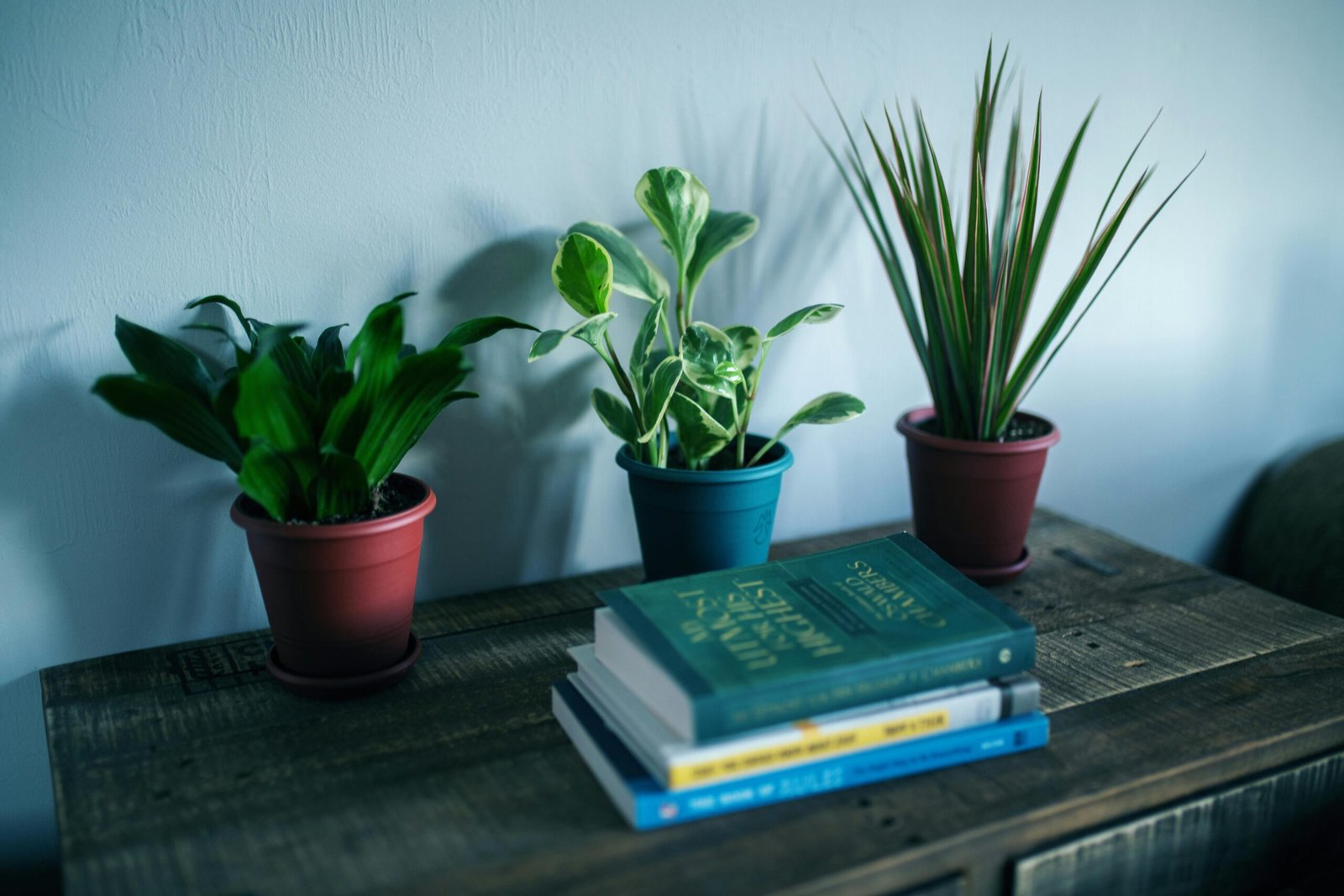
Fertilization is an essential part of indoor plant care, helping plants to grow strong, healthy, and vibrant. While soil provides the foundation for your plants, it’s the nutrients in fertilizers that give them the strength they need to thrive. Whether you’re a beginner or an experienced gardener, understanding how and when to fertilize your indoor plants can make a world of difference in their health and appearance.
In this article, we’ll walk you through everything you need to know about fertilizing indoor plants, including how to choose the right fertilizer, when to apply it, and the best practices for ensuring your plants get the nutrients they need.
1. Why Fertilize Your Indoor Plants?
Fertilizing indoor plants is crucial because the soil in containers doesn’t have the same nutrient content as garden soil. Over time, nutrients in the soil are depleted as plants absorb them, and without replenishment, plants can become weak, sluggish, and prone to disease.
Here’s why fertilization is important for indoor plants:
A. Promotes Healthy Growth
Fertilizer provides essential nutrients that encourage strong root development, lush foliage, and beautiful blooms. By fertilizing your indoor plants, you ensure they have the nutrients they need for optimal growth and vitality.
B. Improves Flowering and Fruiting
For flowering and fruiting plants, regular fertilization helps produce more blooms and healthier fruit. Without proper nutrients, plants may fail to produce flowers or fruits, or their blossoms may be weak and sparse.
C. Enhances Resistance to Disease and Pests
A well-nourished plant is better able to resist diseases and pests. Plants that are stressed due to nutrient deficiencies are more vulnerable to pests and infections, so fertilizing them properly helps boost their natural defenses.
D. Ensures Longevity
Indoor plants that receive proper care, including fertilization, are more likely to live longer, providing beauty and health benefits to your home for many years.
2. Understanding the Basics of Fertilizers
Before diving into how to fertilize your indoor plants, it’s important to understand what fertilizers are and what they contain. Fertilizers typically come in three main forms: liquid, granular, and slow-release. Each form has its benefits, and the choice of which one to use depends on your specific needs and the type of plants you’re growing.
A. The NPK Ratio
Fertilizers are labeled with a series of three numbers—NPK—indicating the primary nutrients they provide:
- N (Nitrogen): Essential for promoting healthy, lush green foliage and overall plant growth.
- P (Phosphorus): Important for strong root development, flower production, and fruiting.
- K (Potassium): Helps plants resist disease, strengthens stems, and enhances overall plant health.
Choosing a fertilizer with the right NPK ratio is key to meeting your plants’ specific needs.
B. Types of Fertilizers
- Liquid Fertilizers: These are water-soluble fertilizers that are easy to mix and apply. They are quickly absorbed by plants and are ideal for plants that need regular feeding.
- Granular Fertilizers: Granular fertilizers are applied to the soil and slowly release nutrients over time. They’re great for plants that don’t require frequent feeding, and they can last for several months.
- Slow-Release Fertilizers: These are similar to granular fertilizers but release nutrients more gradually, ensuring your plants receive a steady supply over a longer period.
- Organic Fertilizers: Made from natural materials such as compost, manure, or seaweed, organic fertilizers improve the soil and promote plant health in an eco-friendly way. They tend to release nutrients more slowly than synthetic fertilizers but are often gentler on plants.
3. When to Fertilize Indoor Plants
The best time to fertilize indoor plants depends on their growing season. Most plants experience a period of active growth in the spring and summer, during which they require more nutrients. Here’s when and how to fertilize during each season:
A. Spring and Summer (Growing Season)
During the spring and summer months, indoor plants are actively growing and need more nutrients. This is the time when fertilization is most crucial.
- Frequency: Fertilize your plants once a month during the growing season. If you’re using a slow-release fertilizer, you may only need to fertilize every two to three months.
- How to Apply: Follow the instructions on the fertilizer package to avoid over-fertilizing. Dilute liquid fertilizers to half strength for regular use to prevent burning the roots.
B. Fall (Transition Period)
In the fall, many indoor plants begin to slow down as temperatures drop and daylight hours shorten. Some plants may enter a dormant phase or reduce their growth rate.
- Frequency: Cut back on fertilizing in the fall. If your plants are still actively growing, you can reduce the fertilization to every six weeks.
- How to Apply: Use a balanced fertilizer with equal NPK ratios. Continue to monitor your plants for signs of nutrient deficiencies.
C. Winter (Dormancy)
During the winter months, most indoor plants enter dormancy or grow at a much slower rate due to reduced light and cooler temperatures. They need fewer nutrients during this time.
- Frequency: No need to fertilize most indoor plants during winter. Fertilizing during dormancy can lead to overfeeding and stress. For plants that are still actively growing, you can fertilize sparingly, but only once every two months.
- How to Apply: If fertilizing, use a diluted liquid fertilizer or slow-release pellets that provide gentle nourishment.
4. How to Apply Fertilizer to Indoor Plants
The method of application can vary depending on the type of fertilizer you’re using. Here are some general tips for applying fertilizer to your indoor plants:
A. For Liquid Fertilizers:
- Dilute the Fertilizer: Always dilute liquid fertilizers with water, as concentrated formulas can burn plant roots.
- Even Application: Apply the fertilizer evenly across the surface of the soil. Water the soil thoroughly before application to prevent any potential root burn.
- Avoid Getting on Leaves: When applying liquid fertilizers, try to avoid getting the solution on the leaves, as it can cause burns or promote fungal growth.
B. For Granular Fertilizers:
- Apply Evenly: Sprinkle granular fertilizer evenly over the soil surface. Follow the instructions on the label for the correct amount.
- Water Well: After applying granular fertilizer, water the plant well to help dissolve the granules and allow the nutrients to be absorbed by the roots.
- Avoid Over-Application: Be cautious not to over-fertilize, as too much fertilizer can damage your plants.
C. For Slow-Release Fertilizers:
- Incorporate into Soil: Mix slow-release fertilizers into the top layer of the soil or use them as a top dressing around the plant.
- Long-Term Feeding: These fertilizers gradually release nutrients over time, so you won’t need to apply them frequently. Follow the product’s instructions for the recommended reapplication schedule.
5. Signs of Over-Fertilization
While fertilizing is essential for plant health, over-fertilizing can be harmful. Too many nutrients can cause plant stress, nutrient imbalances, and root damage. Here’s what to look out for:
A. Leaf Burn
If you notice the edges of the leaves turning brown and crispy, your plant may be experiencing fertilizer burn. This is typically a result of using too much fertilizer or applying it too frequently.
B. Wilting or Yellowing Leaves
Excessive fertilizer can prevent the plant from absorbing water properly, leading to wilting or yellowing leaves. This can also occur if the plant is exposed to high levels of salt from fertilizers.
C. Leaf Curling or Drooping
Another sign of over-fertilization is when the leaves begin to curl or droop. The plant is struggling to process the excessive nutrients and may become weak or stressed.
D. Salt Build-Up in the Soil
Over time, excess fertilizer can build up in the soil, creating a layer of salt on the surface. This can prevent the plant from properly absorbing water and nutrients.
Solutions:
- If you suspect over-fertilization, flush the soil with water to wash away excess nutrients. Be sure to allow the soil to drain well.
- Reduce the frequency of fertilization and ensure that you’re using the appropriate amount of fertilizer according to your plant’s needs.
6. Choosing the Right Fertilizer for Different Plants
Different plants have different nutrient needs. Here’s how to choose the right fertilizer for various types of indoor plants:
A. For Leafy Plants (e.g., Spider Plants, Pothos, Ferns)
Leafy plants require fertilizers high in nitrogen to encourage strong, lush growth. Look for fertilizers with a higher first number in the NPK ratio (e.g., 3-1-2).
B. For Flowering Plants (e.g., Orchids, Gerbera Daisies)
Flowering plants require higher levels of phosphorus to promote blooming. Look for fertilizers with a higher middle number in the NPK ratio (e.g., 1-3-2).
C. For Succulents and Cacti
Succulents and cacti need less frequent fertilization and prefer fertilizers with lower nitrogen content. A balanced, diluted fertilizer with a ratio like 1-1-1 is ideal for these plants.
D. For Herbs (e.g., Basil, Mint, Parsley)
Herbs require a balanced fertilizer with equal amounts of nitrogen, phosphorus, and potassium (e.g., 3-1-2). Fertilize herbs lightly to encourage growth without overpowering their delicate flavor.
Conclusion: Fertilizing Your Indoor Plants for Healthy Growth
Proper fertilization is essential for maintaining healthy, vibrant indoor plants. By understanding your plants’ specific nutrient needs and applying fertilizers correctly, you can help your plants grow strong and thrive. Remember to adjust your fertilization routine based on the season, the type of plant, and the fertilizer you’re using.
With the right knowledge and care, your indoor garden will flourish, bringing beauty, freshness, and health benefits to your home year-round. Happy gardening!

Isabella Garcia is the creator of a blog dedicated to crafts and home care, focused on making everyday life more creative, organized, and enjoyable. The blog shares practical tips, easy DIY projects, home organization ideas, and simple solutions to take better care of your living space. Whether you’re a beginner in crafting or someone looking for inspiration to improve your home routine, Isabella’s blog offers clear, useful, and hands-on content to help you create a cozy, beautiful, and well-cared-for home.