
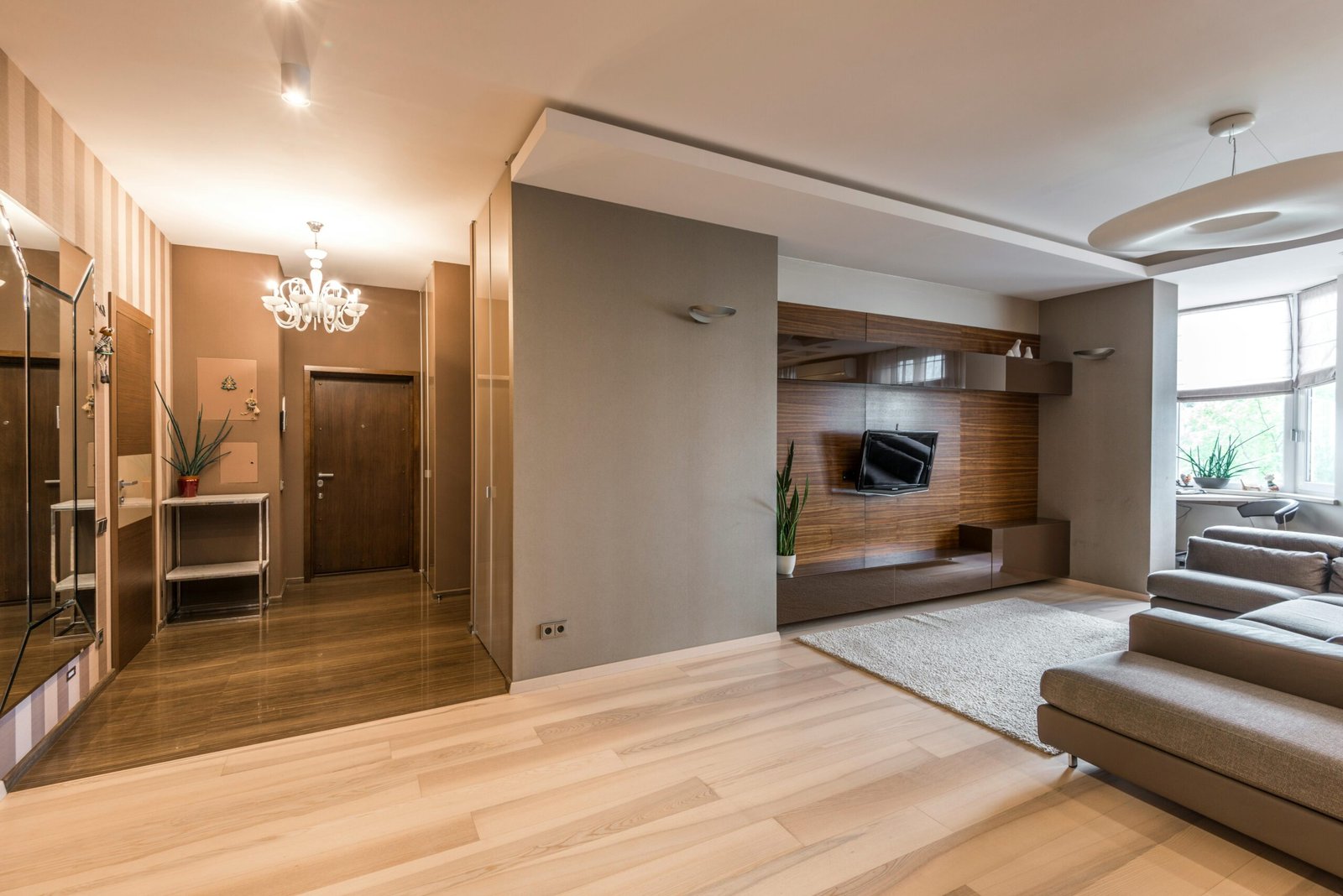
Mixing decorating styles is one of the best ways to create a home that feels personal. It’s also one of the easiest ways to make a room feel confusing—especially when you’re pulling inspiration from different sources, buying items at different times, or combining hand-me-downs with new pieces.
The secret is that “mixing styles” isn’t about throwing random items together. It’s about building a clear structure underneath the mix: consistent colors, repeated materials, balanced proportions, and a few intentional rules that keep everything cohesive.
In this article, you’ll learn a practical framework for mixing styles—like modern + rustic, classic + contemporary, or minimalist + boho—so your home looks curated, not chaotic.
First: Know the Difference Between “Eclectic” and “Messy”
A truly eclectic home still has a clear design logic. When a space looks “messy,” it’s usually because one (or more) of these is missing:
- A consistent color palette
- Repeated materials/finishes
- Similar scale and proportion
- Clear focal point
- Visual breathing room (not too much decor)
When those elements are present, mixing styles starts to look intentional—even if the pieces are very different.
Start With Your “Base Style” (The Anchor)
If you try to mix five styles equally, the room will often feel like it doesn’t know what it wants to be. Instead, choose one style to act as the anchor.
Think of it like this:
- 70% base style (your main direction)
- 30% secondary style (your personality and contrast)
Your base style could be:
- Modern
- Classic / traditional
- Scandinavian
- Rustic / farmhouse
- Industrial
- Minimalist
- Coastal
- Boho
- Mid-century modern
You don’t need to label yourself perfectly. You just need a dominant direction so you make consistent choices for the big pieces.
How to identify your base style quickly
Look at the items you already own and love the most:
- sofa
- dining table
- bed frame
- biggest rug
Those pieces usually define your base style whether you meant them to or not.
Use One Color Palette to Unite Everything
Color is the fastest “glue” for mixed styles.
If your modern items are black/white and your rustic items are warm wood, your room can still look cohesive if your palette is controlled.
Use the simple 60/30/10 rule
- 60% base neutral (walls + large surfaces)
- 30% secondary tone (furniture, rug, curtains)
- 10% accents (art, pillows, decor)
Reliable palettes for mixed-style rooms
- Warm white + natural wood + black accents
- Greige + ivory + brass accents
- Soft gray + white + navy accents
- Cream + tan + olive accents
- Beige + terracotta + deep green accents
If you mix styles but keep the palette tight, the room looks intentional.
Repeat Materials and Finishes (So It Feels Planned)
When styles clash, it’s often because the finishes are all over the place. You have:
- silver hardware
- gold frames
- black lamp bases
- random wood tones
- mixed glossy and matte metals
You don’t need everything to match, but you do need repetition.
The easiest rule:
Pick 1–2 metal finishes and repeat them.
Examples:
- black + brass
- chrome + black
- brass only (warm and classic)
- matte black only (modern and grounded)
Then choose one main wood tone direction:
- warm wood
- cool-toned wood
- neutral wood
When metals and woods repeat, mixed styles look cohesive.
Choose One Dominant “Temperature”: Warm or Cool
Design has an emotional temperature:
- Warm: cream, beige, terracotta, warm wood, brass
- Cool: crisp white, cool gray, navy, chrome, black
Mixing warm and cool is possible, but if you mix them randomly, the room can feel disjointed.
The practical approach
Choose one dominant temperature:
- If you love cozy, choose warm as the base.
- If you love clean, modern, choose cool as the base.
Then use the opposite temperature only as accents:
- Warm base + small black accents works beautifully.
- Cool base + small wood/brass accents keeps it from feeling sterile.
Mix Styles Through Shape: Straight Lines vs Curves
Another “invisible” way designers keep rooms cohesive is shape language.
Modern style often uses straight, clean lines. Classic and boho often use curves and softer shapes. Rustic often uses chunky, natural shapes.
A good balance looks like this
- If your sofa is modern and boxy, add a round mirror or curved lamp.
- If your furniture is very rustic and heavy, add cleaner modern lighting to lighten it.
- If your room has many sharp corners, soften it with rounded accessories.
This creates visual balance and makes mixing feel deliberate.
The “Big Pieces” Rule: Keep Them Consistent
If everything is mixed at the same level, it can look cluttered. A smart strategy is to keep your big pieces consistent and mix on the smaller layers.
Keep consistent (usually):
- sofa
- large rug
- main dining table
- major storage pieces
Mix freely (more safely):
- lamps
- side tables
- art
- pillows
- decor objects
- accent chairs
Why? Because small layers are easier to edit. If you make a mistake, you can swap a pillow or lamp. Swapping a sofa is another story.
Use Contrast Intentionally (Not Accidentally)
Contrast is what makes mixed styles look interesting. But contrast should look chosen, not chaotic.
Examples of intentional contrast:
- Modern sofa + rustic wood coffee table
- Classic molding + contemporary art
- Minimal room + textured boho rug
- Industrial lighting + warm vintage textiles
Accidental contrast looks like:
- random styles with no shared palette
- too many statement items competing
- mismatched finishes with no repetition
If you want a rule: Mix one “statement” contrast at a time, then support it with simpler pieces.
Create a Clear Focal Point (So the Eye Knows Where to Go)
When styles are mixed, the room needs a main focus so it doesn’t feel scattered.
Common focal points:
- fireplace
- big art piece
- large window
- feature wall
- statement rug
- styled media console wall (yes, even with a TV)
How to build around a focal point
- Make the focal point the strongest visual moment.
- Keep the surrounding area calmer.
- Use accents to echo the focal point’s colors or materials.
A room looks “messy” when your eye doesn’t know where to land.
The “Three-Style Limit” That Saves Rooms
If you’re mixing styles, try to keep it to:
- one main base style
- one secondary style
- one small accent influence
Example:
- Modern (base)
- Rustic (secondary)
- Classic (accent) through one antique mirror or frame
If you add too many influences equally, it can start to feel like a thrift store aisle, even if each item is nice.
How to Mix Specific Style Combos (With Examples)
Here are practical combinations and the easiest way to make them work.
Modern + Rustic (One of the Best Mixes)
Why it works:
- Modern is clean and minimal
- Rustic adds warmth and texture
How to do it:
- Keep modern as the base (simple sofa, clean rug, neutral walls)
- Add rustic through wood tones, woven baskets, natural textures
- Use black accents to bridge both styles
Winning items:
- modern sofa + reclaimed wood coffee table
- neutral rug + warm wood side tables
- simple art + textured throws
Avoid:
- too many rustic signs/slogans (can feel dated)
- too many different wood tones without repetition
Modern + Classic (Modern Classic)
Why it works:
- Classic adds elegance and structure
- Modern keeps it fresh and uncluttered
How to do it:
- Use classic elements: molding, symmetry, warm neutrals
- Add modern pieces: clean-lined sofa, minimal lighting, modern art
- Keep the palette simple and timeless
Winning items:
- classic mirror + modern console
- modern sofa + traditional rug pattern
- minimal pendant + classic sideboard
Avoid:
- overly ornate pieces everywhere (feels heavy)
- mixing too many bright colors with classic furniture unless planned
Minimalist + Boho (Clean, but Not Cold)
Why it works:
- Minimalist gives calm and space
- Boho adds texture and personality
How to do it:
- Keep furniture simple and low-profile
- Add boho through rugs, pillows, baskets, plants
- Stick to a calm color palette so it doesn’t get busy
Winning items:
- neutral couch + textured pillows
- simple shelving + woven baskets
- clean walls + one large tapestry-style art piece
Avoid:
- too many small decor items (boho can become clutter fast)
- mixed patterns without a shared color
Industrial + Cozy (Loft Vibes, But Livable)
Why it works:
- Industrial is bold and structured
- Cozy elements make it feel human
How to do it:
- Use industrial through lighting, metal finishes, darker accents
- Add warmth through wood, textiles, rugs, curtains
- Balance with soft lighting (lamps are essential)
Winning items:
- black metal lighting + warm wood table
- leather chair + soft throw
- neutral rug + industrial shelving
Avoid:
- too much gray without warmth
- only overhead lighting (it feels harsh)
Coastal + Modern (Bright and Easy)
Why it works:
- Coastal adds lightness and relaxed texture
- Modern keeps it from feeling theme-like
How to do it:
- Use a white or warm neutral base
- Add coastal texture: linen curtains, woven rugs, light wood
- Keep accents subtle (soft blues, sand tones)
Winning items:
- modern sofa + linen pillows
- woven pendant light + clean cabinetry
- simple art + natural textures
Avoid:
- overly themed decor (anchors, signs, too literal)
Styling Tricks That Make Mixed Rooms Look “Designer”
These details matter a lot in mixed-style spaces.
1) Use fewer, larger decor items
One big vase looks more intentional than five tiny ones.
2) Add texture instead of more color
Texture adds richness without chaos.
3) Keep surfaces edited
A mirror reflects clutter twice. A room with mixed styles needs calm surfaces.
4) Vary height
Use a tall plant, medium lamp, low tray—this adds balance.
5) Repeat one accent color
Even a small repeated accent color (like olive) can make the entire room feel coordinated.
A Simple Step-by-Step Method to Mix Styles in Any Room
If you want a system you can follow:
- Identify your base style from your biggest furniture pieces.
- Choose one secondary style you love.
- Pick a limited color palette (base + secondary + accent).
- Choose 1–2 metal finishes and repeat them.
- Decide on a main wood tone direction.
- Keep big pieces consistent, mix small layers slowly.
- Add one statement piece (rug, art, mirror, or light).
- Edit clutter and style surfaces with breathing room.
This method prevents a room from feeling like “too many ideas.”
The Final Test: Does It Look Intentional?
Stand at the doorway and ask:
- Do I see a clear focal point?
- Does the palette feel consistent?
- Are the finishes repeated (not random)?
- Do I have enough negative space?
- Is there balance between clean lines and texture?
If the answer is mostly yes, your room won’t look messy. It’ll look like you built it thoughtfully over time—which is exactly what the best homes feel like.
Mixing styles is one of the most creative parts of decorating. The goal isn’t perfection. It’s harmony: different pieces working together because you gave them a structure to live inside. When you do that, your home looks collected, personal, and naturally stylish.

Isabella Garcia is the creator of a blog dedicated to crafts and home care, focused on making everyday life more creative, organized, and enjoyable. The blog shares practical tips, easy DIY projects, home organization ideas, and simple solutions to take better care of your living space. Whether you’re a beginner in crafting or someone looking for inspiration to improve your home routine, Isabella’s blog offers clear, useful, and hands-on content to help you create a cozy, beautiful, and well-cared-for home.