
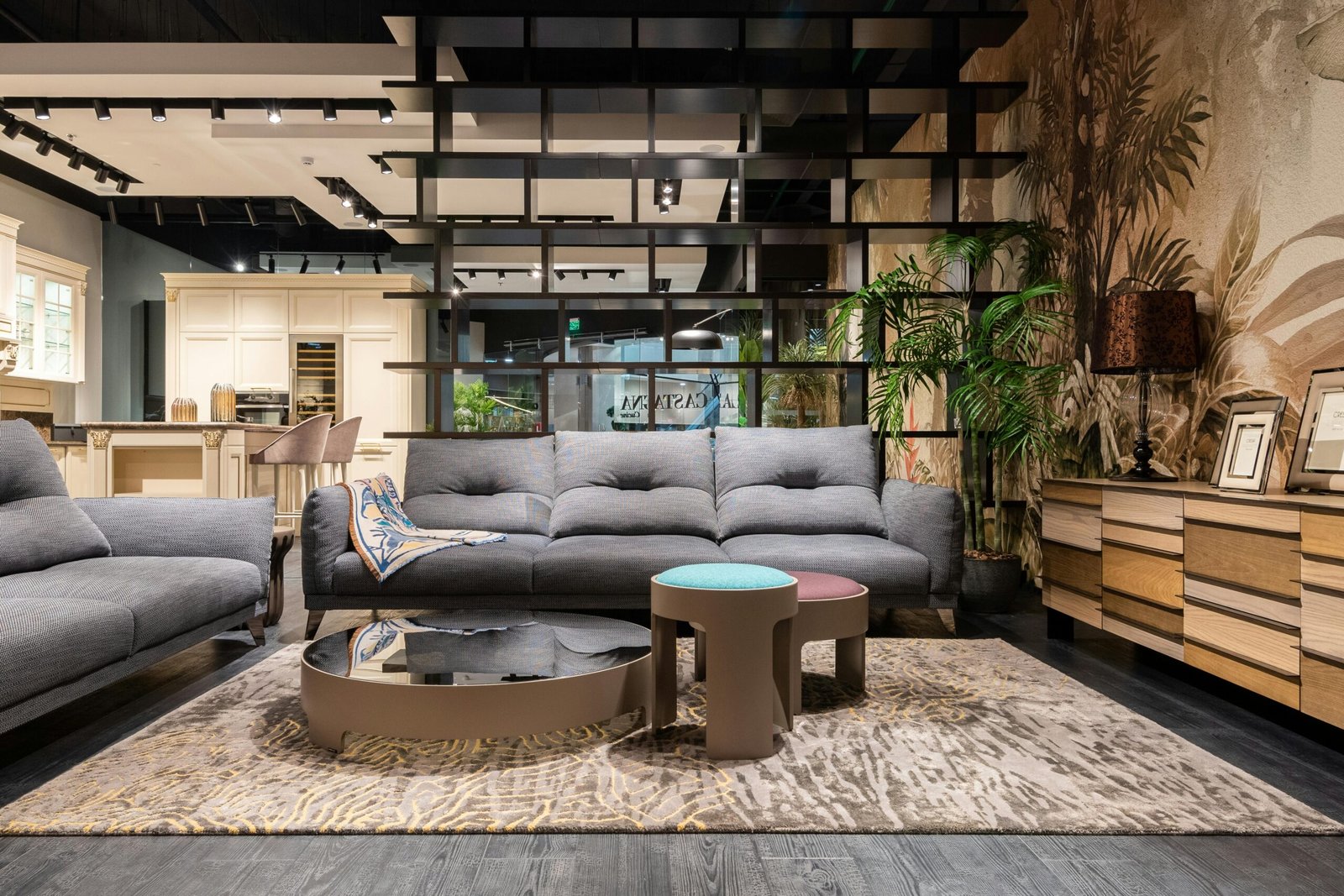
A room can have the perfect color palette and still feel flat. It might look “fine” in photos, but in real life it feels a little cold, a little unfinished, or simply not that inviting. When that happens, the solution is rarely “buy more decor.” The solution is usually texture.
Texture is what makes a home feel warm and layered without needing a lot of extra stuff. It adds depth, softness, and a sense of comfort—especially in neutral spaces. And the best part? You can mix textures in a way that looks designer and calm, not busy and cluttered.
In this guide, you’ll learn:
- what texture really means in decorating,
- how designers layer texture without chaos,
- which textures work best in each room,
- how to balance smooth vs. rough surfaces,
- and how to create a cozy home even if your palette is simple.
What “texture” means in home decor (it’s more than fabric)
When people hear texture, they often think of pillows and blankets. But texture is any surface quality that changes how something looks and feels—visually and physically.
There are two types of texture:
1) Tactile texture
The texture you can physically feel:
- knit throw blanket
- linen curtains
- woven baskets
- velvet pillow
- carved wood
2) Visual texture
Texture that you “feel” with your eyes even if it’s smooth:
- a patterned rug
- matte paint vs. glossy paint
- veined stone countertops
- wood grain
- textured wallpaper
A room feels rich when it has both tactile and visual texture.
Why texture makes a room cozy (even without adding more color)
Texture does three big things:
- Adds depth
Texture gives your eye layers to explore, making the room feel more complete. - Softens hard surfaces
Most homes have lots of hard planes: walls, floors, cabinets, screens. Texture softens that. - Creates comfort signals
A space with linen, wool, and warm wood feels more inviting than a space with only glass, metal, and smooth paint.
If your home feels “cold,” you probably have too many hard, smooth surfaces and not enough soft texture.
The biggest mistake: adding too many objects instead of upgrading surfaces
Many people try to make a room cozy by buying more decor: more candles, more little items, more knickknacks. The result is often clutter, not comfort.
Designers do the opposite:
- fewer objects,
- richer surfaces,
- and intentional layers.
If you want cozy without clutter, focus on:
- textiles (rug, curtains, throws)
- lighting softness
- wood and natural materials
- matte finishes
- a few large, meaningful accents instead of many small ones
Step 1: Pick your “texture direction” (so it feels cohesive)
Not all textures feel the same. Some look modern and clean. Some look rustic and warm. Some look glamorous and plush.
Choose a direction that matches your home style:
Modern / minimal texture direction
- linen-look curtains
- smooth wool rugs
- matte ceramics
- light wood
- subtle woven textiles
- minimal pattern, more quiet texture
Warm organic / Scandinavian / Japandi texture direction
- linen and cotton
- light wood tones
- woven baskets
- matte stone-like planters
- soft rugs with gentle texture
- natural fibers (used in controlled ways)
Boho / eclectic texture direction
- layered weaves
- macramé (in moderation)
- varied natural fibers
- patterned textiles mixed with solids
- lots of tactile moments, but within a cohesive palette
Traditional / classic texture direction
- velvet accents
- layered curtains
- classic rugs
- wood tones
- detailed ceramics and frames
Glam texture direction
- velvet
- smooth, reflective surfaces (used strategically)
- metallic accents
- plush textiles
- glossy details balanced by matte surfaces
You don’t need every texture type. You need a consistent “texture story.”
Step 2: Use the “texture balance” rule: smooth + rough + soft
A cozy room usually has a balance of:
- Smooth (glass, metal, polished surfaces)
- Rough (wood grain, woven baskets, stone-like pieces)
- Soft (fabric, rugs, curtains, pillows)
If a room feels sterile, it often has too much smooth and not enough soft/rough.
Quick self-check
Look around your room and count:
- How many soft items are in the room?
- How many natural/rough items are in the room?
- Is everything shiny or smooth?
If it’s mostly smooth, add softness (textiles) and warmth (wood/woven textures).
Step 3: Build texture in the right order (foundations first)
If you want texture that feels intentional, add it in layers—starting with big surfaces.
Layer 1: Rug (the floor is your largest texture surface)
A rug adds immediate softness and depth. If your room feels echo-y, cold, or unfinished, the rug is often the fix.
For cozy without clutter:
- choose a rug with subtle variation or low-contrast pattern
- consider medium pile for comfort (depending on room)
- prioritize correct size (a too-small rug ruins the effect)
Layer 2: Curtains (vertical softness)
Curtains add texture and make a room feel “wrapped” and finished. Linen-look curtains are one of the easiest texture upgrades because they:
- soften the window
- add gentle movement
- look elevated without being loud
Layer 3: Upholstery and throws (comfort layer)
- a textured throw blanket
- pillows in varied materials (not all the same fabric)
- upholstered seating with a soft finish
Layer 4: Natural materials (warmth layer)
- wood trays
- woven baskets
- ceramic vases
- stone-like planters
- cane/rattan (if it fits your style)
Layer 5: Small details (only after the room is calm)
Small objects can add texture, but they should be limited and grouped, not scattered.
Step 4: Mix textures using the “same color, different materials” trick
One of the easiest ways to mix textures without making the room busy is to keep the color palette consistent but vary the materials.
Example in a neutral living room:
- cream linen curtains
- cream knit throw
- cream bouclé pillow
- woven basket in a similar tone
- matte ceramic vase in off-white
Same color family, different textures = cozy and cohesive.
This works in any palette:
- all warm neutrals
- all cool grays
- earthy tones (olive, terracotta, beige)
- black and white (texture prevents it from feeling harsh)
Step 5: Don’t overdo patterns—use texture instead of “busy prints”
Patterns are a type of visual texture, but too many patterns can make a room feel chaotic.
If you want cozy without clutter, use:
- texture-heavy solids (knit, linen, velvet)
- subtle patterns (tone-on-tone, gentle geometric)
- one main patterned piece (usually the rug)
A good rule:
- one main pattern
- one secondary subtle pattern
- the rest mostly solids with texture
This keeps the room calm.
Step 6: Add contrast through texture, not just color
Many people try to create interest by adding more colors. But in cozy homes, interest often comes from texture contrast.
Examples:
- smooth leather + chunky knit
- matte ceramic + glossy glass (in small amounts)
- linen curtains + velvet pillow (balanced)
- wood grain + soft woven rug
Contrast makes the room feel layered. Layering makes it feel designed.
Step 7: Use plants as “living texture”
Plants add texture in the most natural way: organic shapes, varied leaf surfaces, and visual softness.
A plant can replace the need for several small decor pieces because it adds:
- color (green is a natural neutral)
- movement
- softness
- depth
For a calm look:
- choose one medium or tall plant in a simple planter
- repeat planter materials (matte ceramic, basket) for cohesion
Step 8: Texture ideas for each room (so it’s easy to apply)
Living room texture ideas
- textured area rug (big impact)
- linen curtains
- knit throw blanket
- mix pillow materials: linen + velvet or linen + bouclé
- woven basket for throws
- matte ceramic vase or tray
A simple living room texture formula:
- rug + curtains + throw + 2 pillow textures + one natural material accent
Bedroom texture ideas
Bedrooms should feel especially soft.
- layered bedding (cotton + duvet + textured throw)
- soft rug or runners
- linen curtains
- one plush pillow texture (bouclé or velvet, optional)
- warm wood or woven basket storage
A calm bedroom doesn’t need many objects—texture does the work.
Kitchen texture ideas
Kitchens are hard-surface heavy, so texture helps a lot.
- linen/cotton towels (consistent palette)
- wood cutting board moment
- woven basket for fruit or bread
- a simple runner (washable, if possible)
- matte containers for staples
Keep it minimal so it stays functional.
Bathroom texture ideas
Bathrooms feel spa-like with texture.
- plush towels (coordinated)
- a soft bath mat
- a wood or stone-like tray
- matte soap dispensers
- one basket for storage
Texture makes the bathroom feel less cold and more relaxed.
Entryway texture ideas
Entryways feel welcoming with texture.
- woven basket for shoes or accessories
- a runner rug for softness
- a wood console or tray
- one plant or greenery
- fabric bench cushion (if you have a bench)
Entryways get messy easily, so texture should come through functional items, not lots of decor.
Step 9: The “cozy but clean” styling rule: limit small items
Texture is not the same as clutter.
To keep the room cozy and clean:
- choose fewer decorative objects, bigger impact
- group small items on a tray
- leave breathing room on shelves and surfaces
A cozy home still has negative space. The negative space is what makes the textures feel luxurious instead of busy.
Step 10: Common texture mistakes (and how to fix them)
Mistake 1: Everything is the same fabric
Fix: mix at least 2–3 fabric types (linen + knit + velvet/bouclé).
Mistake 2: Too many textures in too many colors
Fix: keep textures within a tight palette, vary materials not colors.
Mistake 3: Too many woven items everywhere
Fix: use woven elements as accents, not the entire theme. Balance with smooth and matte pieces.
Mistake 4: Too much shiny surface
Fix: add matte textures and textiles to soften glare and coldness.
Mistake 5: Pattern overload
Fix: reduce patterns and use solid textured textiles instead.
A simple “texture plan” you can use today
If you want to upgrade your home’s coziness quickly without adding clutter, do this:
- Add or adjust a rug (correct size + subtle texture)
- Add curtains or improve existing ones (linen-look is a safe choice)
- Add one textured throw blanket
- Swap one pillow cover for a different texture (bouclé, velvet, knit)
- Add one natural material accent (wood tray or woven basket)
- Add one plant (optional but powerful)
- Edit small decor (remove 30% so texture can breathe)
That’s enough to make most rooms feel warmer and more designed immediately.
The real secret: texture is what makes neutral homes feel luxurious
Color gets attention, but texture creates comfort. The most elevated homes often have simple palettes, and what makes them feel rich is layering: linen, wool, wood grain, matte ceramics, soft rugs, warm lighting. Texture gives the home depth—without needing more stuff.
If you want cozy without clutter, don’t buy ten new accessories. Upgrade the surfaces that shape the room: rug, curtains, bedding, throws, and a few natural materials. Those changes give you the calm, layered, “finished” look that lasts.

Isabella Garcia is the creator of a blog dedicated to crafts and home care, focused on making everyday life more creative, organized, and enjoyable. The blog shares practical tips, easy DIY projects, home organization ideas, and simple solutions to take better care of your living space. Whether you’re a beginner in crafting or someone looking for inspiration to improve your home routine, Isabella’s blog offers clear, useful, and hands-on content to help you create a cozy, beautiful, and well-cared-for home.