
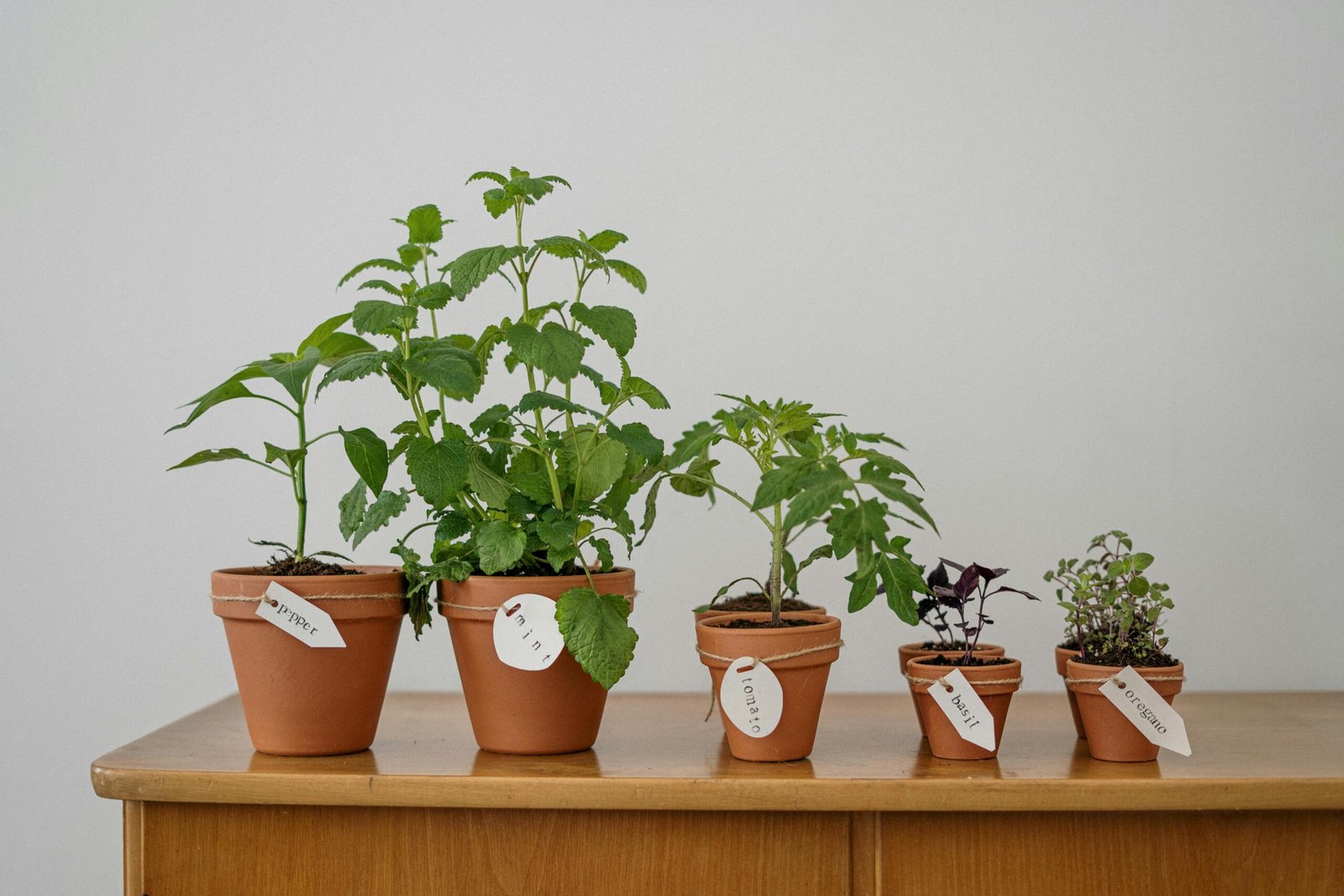
Starting an indoor garden is a rewarding and relaxing hobby that can bring beauty, fresh air, and a sense of tranquility to your home. However, it’s easy to assume that indoor gardening requires a significant investment in equipment, plants, and supplies. The truth is, you can start and maintain an indoor garden without breaking the bank. With a little creativity and planning, it’s possible to create a thriving garden on a budget.
In this article, we’ll share practical tips and strategies for starting and maintaining an indoor garden on a budget. From selecting affordable plants to repurposing household items for containers, this guide will help you get your indoor garden up and running without spending a fortune.
1. Planning Your Budget-Friendly Indoor Garden
Before you dive into purchasing supplies, it’s essential to plan out your budget-friendly indoor garden. This initial step will help you determine your priorities, set a budget, and make informed decisions as you start your gardening journey.
A. Assess Your Space
The first step is to assess the space available for your indoor garden. Indoor gardens come in all shapes and sizes, so it’s important to understand how much room you have for plants. Consider the following:
- Windowsills: These are perfect for small plants like herbs, succulents, and small flowers. If you have a sunny windowsill, you can place plants there for natural light.
- Shelves: If you don’t have enough windowsill space, you can use shelves to create vertical garden space. This works well for plants that don’t require direct sunlight.
- Countertops and Tables: Kitchen counters, dining tables, or coffee tables can serve as great spots for plants that need indirect light.
By evaluating your space, you can plan which plants will go where and make the most of the area you have available.
B. Set a Budget
Determine how much money you are willing to spend on your indoor garden. Setting a budget will help you stay on track and prioritize what’s necessary. Don’t forget to include costs for containers, soil, plants, and tools, but keep in mind that you can save money by being resourceful.
- Initial Investment: This includes the cost of basic supplies like containers, soil, and plants. Start small and gradually build your collection over time to avoid overspending.
- Ongoing Maintenance: Indoor plants generally don’t require a lot of maintenance, but you should still budget for occasional fertilizers, water trays, and repotting supplies.
C. Decide on the Types of Plants
Indoor gardens can feature a variety of plants, from small herbs to larger houseplants. To stay within your budget, choose plants that are easy to care for, affordable, and suited to your space.
- Low-Cost Plants: Start with inexpensive, hardy plants such as succulents, pothos, spider plants, and snake plants. These plants are often sold at affordable prices and are relatively easy to maintain.
- Herbs and Edibles: Growing your own herbs like basil, mint, and cilantro is a budget-friendly way to enhance your meals. These plants are inexpensive to grow, and they’ll save you money on store-bought herbs.
2. Affordable Ways to Find Plants
While purchasing plants from garden centers or nurseries is an option, it’s not always the most budget-friendly route. There are many alternative ways to get plants for your indoor garden without spending a lot of money.
A. Propagation
Propagation is one of the best ways to grow new plants without spending any money. Many houseplants can be propagated by taking cuttings and growing them in water or soil. Some popular plants that are easy to propagate include:
- Pothos: Take a cutting from a healthy vine and place it in water to grow new roots.
- Spider Plants: The plant produces “babies” (small offshoots) that can be rooted in water.
- Succulents: Some succulents, like jade plants and echeveria, can be propagated by cutting leaves and allowing them to root in soil.
Propagation is not only cost-effective but also a rewarding experience, as you can watch your plants grow and thrive over time.
B. Swap or Exchange Plants
Another budget-friendly option is to swap or exchange plants with friends, family, or neighbors. Many gardeners are happy to share or exchange cuttings, small plants, or seeds. You can find local plant swaps on social media groups or gardening forums.
- Plant Exchanges: Look for local gardening clubs or online communities where you can exchange plants or seedlings. These exchanges are often free or low-cost, and you’ll get new plants to add to your collection.
- Community Gardens: If there’s a community garden near you, it may host plant swaps or offer discounted plants. It’s worth checking out local gardening organizations for opportunities to obtain plants on a budget.
C. Buying from Discount Stores or Online
While garden centers and nurseries are great places to buy plants, they can be expensive. Instead, consider purchasing plants from discount stores or online platforms that offer plants at lower prices.
- Discount Stores: Stores like Walmart, Home Depot, or Target often have a variety of affordable indoor plants. You can find plants in small pots at discounted prices, which is ideal if you’re just starting your garden.
- Online Plant Shops: Websites like Etsy or Amazon offer affordable plants from independent sellers. Sometimes, you can find plants in bulk or smaller sizes for a fraction of the cost.
3. Using Budget-Friendly Containers
You don’t need to spend a lot of money on fancy pots and containers. Repurposing household items and using inexpensive materials can help you create stylish containers for your plants.
A. Repurpose Household Items
- Mason Jars: Mason jars are perfect for growing small plants like herbs or succulents. They add a rustic, farmhouse charm to your indoor garden and are easy to find at thrift stores or even in your kitchen.
- Cups, Mugs, or Bowls: Old cups, mugs, or bowls can easily be turned into planters. Make sure to add a small drainage hole (you can use a drill or a nail) to avoid waterlogging.
- Plastic Containers: Repurposing plastic containers like yogurt cups, takeout containers, or old containers can be a cost-effective solution. Just ensure they have adequate drainage to prevent water from collecting at the bottom.
B. Look for Discounted Containers
If you prefer to buy new containers, look for deals at discount stores, dollar stores, or garden centers during sales seasons. Plastic or ceramic pots can often be found at lower prices.
- Bulk Purchases: Buying containers in bulk can save you money if you plan to grow many plants. Look for sets of small pots that can be used for multiple plants.
- Secondhand Stores: Thrift stores, flea markets, and yard sales often have a variety of plant containers at a fraction of the cost of new ones.
4. Affordable Soil and Fertilizer
Soil and fertilizers are essential for healthy plant growth, but you can find affordable options to help you stay within your budget.
A. Soil Alternatives
If you’re on a tight budget, consider making your own soil mix using materials that are both affordable and effective.
- Compost: Compost is a great way to enrich your soil. You can make your own compost using kitchen scraps, leaves, and yard waste. This not only saves you money but also reduces waste.
- Peat Moss: Peat moss is often an affordable addition to soil mixes, and it helps improve water retention for your plants.
- Perlite or Sand: Perlite or sand can be added to potting soil to improve drainage and prevent compaction. These materials are usually inexpensive and help create a better environment for plant roots.
B. Homemade Fertilizers
Instead of buying expensive fertilizers, you can make your own using items you likely already have at home:
- Coffee Grounds: Used coffee grounds are an excellent natural fertilizer for indoor plants. Simply sprinkle them around the base of your plants or mix them into the soil.
- Eggshells: Crushed eggshells are a great source of calcium, which helps strengthen plant cell walls. Add them to your soil to promote healthy growth.
- Banana Peels: Banana peels are rich in potassium, phosphorus, and calcium, all of which are beneficial for plant growth. You can chop up the peels and bury them in the soil.
5. Watering Techniques for Saving Money
Watering is one of the most essential aspects of plant care, but it doesn’t need to be expensive. Here are some ways to save water and money while keeping your plants hydrated:
A. Water Conservation
- Watering System: Consider using self-watering containers, which help reduce the amount of water you use and keep the soil consistently moist.
- Rainwater Collection: If you live in an area with rainfall, consider collecting rainwater to water your plants. It’s free and often better for plants than tap water, which can contain chemicals.
B. Efficient Watering Practices
- Water in the Morning: Water your plants early in the morning to prevent evaporation in the heat of the day. This ensures that the water reaches the roots and doesn’t get wasted.
- Check Soil Moisture: Rather than watering your plants on a schedule, check the moisture level of the soil before watering. This prevents overwatering and saves water.
6. Regular Care to Maximize Your Garden’s Lifespan
Once your garden is set up, regular care is key to keeping it thriving. Here are some maintenance tips to help your indoor garden flourish on a budget:
- Pruning: Regularly prune dead or yellowing leaves and stems. This keeps your plants healthy and encourages new growth.
- Pest Management: Keep an eye out for pests and address any infestations quickly. You can make homemade insecticidal soap from ingredients like dish soap and water or use natural remedies like neem oil.
- Repotting: Repot your plants when they outgrow their containers, but do so in a cost-effective manner. Use soil and containers you already have, and only upgrade if necessary.
Conclusion: Gardening on a Budget
Starting and maintaining an indoor garden doesn’t have to be expensive. By being resourceful and planning your purchases carefully, you can create a beautiful, thriving indoor garden without breaking the bank. Whether you choose to propagate plants, repurpose containers, or make your own fertilizers, there are plenty of ways to enjoy indoor gardening on a budget.
With this guide, you now have the knowledge and tools to start your budget-friendly indoor garden. Happy gardening!

Isabella Garcia is the creator of a blog dedicated to crafts and home care, focused on making everyday life more creative, organized, and enjoyable. The blog shares practical tips, easy DIY projects, home organization ideas, and simple solutions to take better care of your living space. Whether you’re a beginner in crafting or someone looking for inspiration to improve your home routine, Isabella’s blog offers clear, useful, and hands-on content to help you create a cozy, beautiful, and well-cared-for home.