
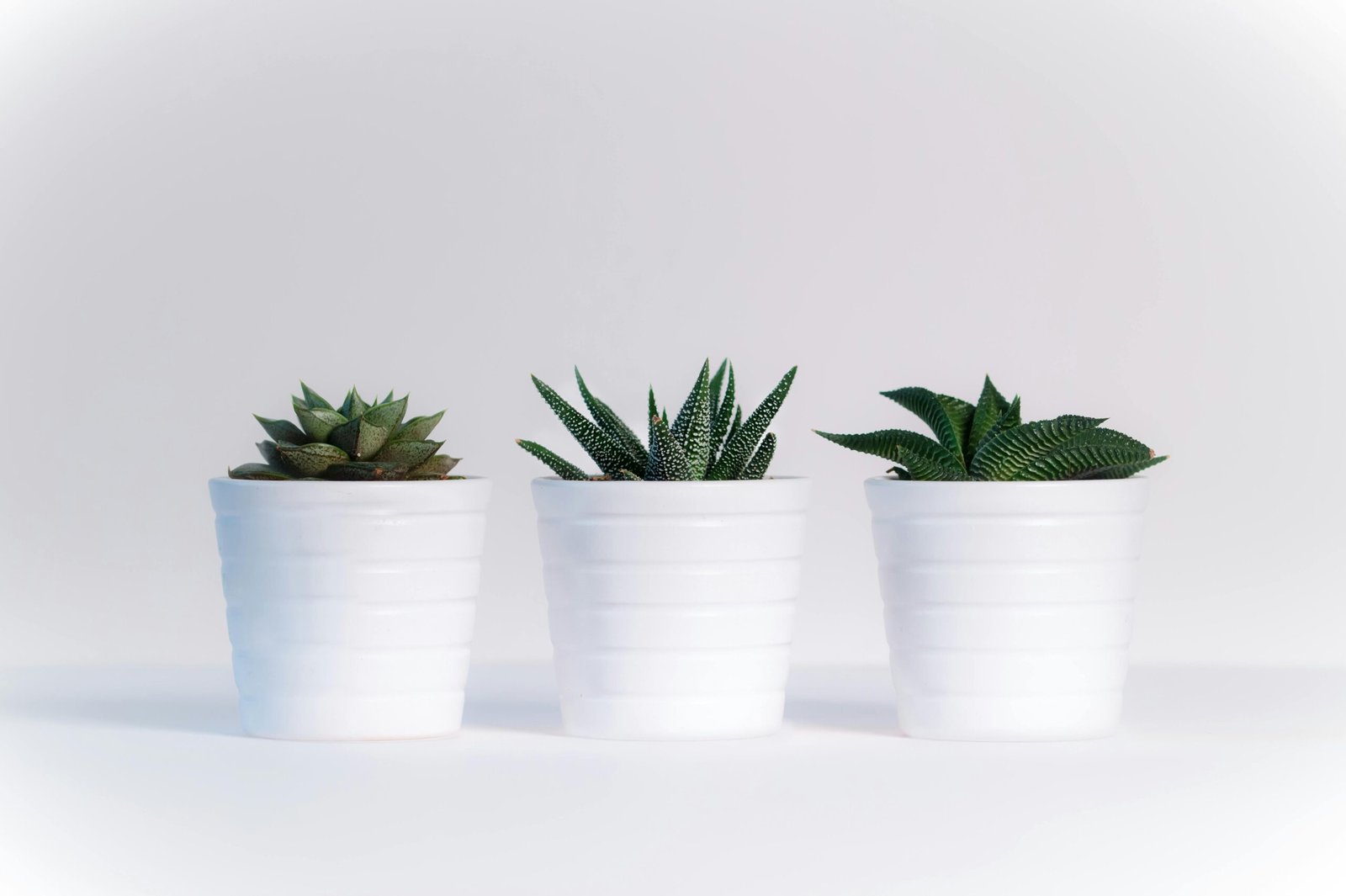
Indoor plants are a great way to bring life and beauty into your home, but like all living things, they can sometimes encounter problems. Whether you’re a seasoned plant parent or a beginner, it’s essential to know how to identify and address common indoor plant issues to keep your garden healthy and thriving.
In this article, we’ll go over some of the most common problems that indoor plants face, their possible causes, and the best solutions to help your plants recover and flourish.
1. Yellowing Leaves
Yellowing leaves are a common issue for many indoor plants and can be caused by a variety of factors. While some yellowing is normal, especially for older leaves, if the entire plant or many leaves are turning yellow, it could indicate a problem.
Possible Causes:
- Overwatering: Overwatering is one of the leading causes of yellowing leaves. When plants are watered too frequently, the roots can become waterlogged, leading to root rot and preventing the plant from absorbing nutrients.
- Underwatering: On the other hand, not watering enough can also lead to yellowing. When plants don’t get enough moisture, they can start to suffer, and the leaves may yellow as a result.
- Nutrient Deficiency: A lack of essential nutrients, particularly nitrogen, can cause yellowing leaves. This is especially common in plants that have not been fertilized recently.
- Pests: Insects like aphids, spider mites, or mealybugs can damage your plant’s leaves, causing them to yellow and die.
- Too Much Direct Sunlight: Some plants are sensitive to too much direct sunlight, which can cause leaf burn and yellowing.
Solutions:
- Watering Adjustments: Check the moisture level of the soil before watering. If the soil is dry, give your plant a good soak. If it’s still moist, wait a few days before watering again.
- Proper Drainage: Ensure your plant pots have proper drainage holes to allow excess water to escape. If necessary, repot the plant in well-draining soil to prevent waterlogged roots.
- Fertilize: If the yellowing is due to a nutrient deficiency, consider using a balanced, water-soluble fertilizer to provide your plant with the nutrients it needs. Be sure to follow the recommended dosage to avoid over-fertilizing.
- Pest Control: Inspect your plants for pests and treat them with an organic insecticide or neem oil if necessary.
- Adjust Light Exposure: Move your plant to a location with bright, indirect light to avoid sunburn. If it’s not getting enough light, consider using a grow light or moving it closer to a window.
2. Brown Leaf Tips
Brown tips on leaves are a common problem that can be caused by a variety of factors. While it may not always be a cause for concern, it’s important to identify the underlying issue to prevent further damage.
Possible Causes:
- Low Humidity: Many indoor plants, especially tropical plants, thrive in humid conditions. If the air in your home is too dry, the tips of your plant’s leaves may turn brown.
- Over-fertilization: Over-fertilizing your plants can lead to the buildup of salts in the soil, which can burn the leaf edges and tips, causing them to turn brown.
- Overwatering or Underwatering: Both overwatering and underwatering can cause brown tips. When plants don’t receive enough water or are exposed to too much moisture, the leaves can dry out and turn brown.
- Water Quality: Using hard water or water that contains high levels of minerals or chlorine can also cause brown tips on your plants’ leaves.
Solutions:
- Increase Humidity: Use a humidifier, place a shallow tray of water near your plants, or group plants together to increase humidity. Misting the leaves occasionally can also help, but avoid over-wetting the foliage.
- Water Properly: Check the soil moisture before watering, and adjust your watering routine accordingly. Be sure to water thoroughly, but avoid letting your plants sit in standing water.
- Fertilizing Adjustments: Reduce the amount of fertilizer you’re using, or switch to a more balanced, diluted formula. Always follow the manufacturer’s recommendations to avoid over-fertilizing.
- Water Quality: If your tap water is hard or contains chlorine, consider using filtered water or letting tap water sit out overnight before using it on your plants.
3. Drooping or Wilting Leaves
If your plant’s leaves are drooping or wilting, it can be a sign of stress. However, wilting can occur for various reasons, and the solution depends on the cause.
Possible Causes:
- Underwatering: If your plant isn’t getting enough water, the leaves may wilt or droop as a result of dehydration.
- Overwatering: Overwatering can also lead to drooping leaves, as it deprives the roots of oxygen and leads to root rot.
- Low Light: Plants that don’t receive enough light will often droop or appear weak as they struggle to photosynthesize.
- Temperature Stress: If your plant is exposed to extreme temperatures, such as cold drafts or hot air from a heater, it may start to wilt.
Solutions:
- Check Watering Habits: Ensure you’re watering your plants properly. If the soil is dry, water thoroughly. If the soil is wet, let it dry out before watering again.
- Move to Proper Light: Make sure your plant is getting the right amount of light. If it’s not, move it to a brighter location or use artificial grow lights.
- Check for Temperature Extremes: Avoid placing plants in drafty areas or near heat sources like radiators or air conditioners. Keep your plants in a room with a stable, moderate temperature.
4. Leaf Spots
If you notice brown or yellow spots on your plant’s leaves, this could be a sign of a fungal infection, bacterial disease, or pest infestation.
Possible Causes:
- Fungal or Bacterial Infections: Fungal diseases, such as powdery mildew, or bacterial infections can cause spots on your plant’s leaves. These infections are often due to excessive moisture and poor air circulation.
- Pests: Pests such as spider mites or aphids can cause leaf spots by feeding on the plant’s sap and causing damage to the leaves.
- Watering Issues: Overwatering or underwatering can cause water spots or damage to the plant’s leaves, leading to discolored patches.
- Sunburn: If your plant is exposed to too much direct sunlight, the leaves can develop sunburn spots, which may appear as bleached or brown patches.
Solutions:
- Improve Air Circulation: Make sure your plants have adequate space between them to allow air to circulate. This helps prevent fungal and bacterial growth.
- Treat Pests: Inspect your plants for signs of pests. If you find any, use an organic insecticide or neem oil to treat the infestation.
- Adjust Watering: Water your plants when the top of the soil is dry, and ensure the pots have proper drainage to prevent root rot. Avoid getting water on the leaves when watering.
- Move to a Shadier Spot: If sunburn is the issue, move your plant to a location with bright, indirect light. For plants that require more sun, try using sheer curtains to filter direct sunlight.
5. Pests and How to Deal with Them
Indoor plants can be susceptible to pests such as aphids, mealybugs, spider mites, scale insects, and whiteflies. Pests can weaken your plants, cause yellowing leaves, and disrupt the plant’s ability to photosynthesize.
Possible Causes:
- Pest Infestation: Pests often target weakened or stressed plants, so maintaining your plants’ health is key to keeping pests at bay.
- Poor Air Circulation: Crowded plants with limited airflow are more susceptible to pest problems.
Solutions:
- Inspect Regularly: Examine your plants regularly for pests, paying close attention to the undersides of leaves and stems.
- Use Natural Remedies: Neem oil, insecticidal soap, or a mixture of water and dish soap can effectively treat pests. Spray the affected areas thoroughly and repeat as needed.
- Increase Airflow: Improve air circulation around your plants by spacing them out and using fans if necessary.
- Isolate Infested Plants: If you find pests, isolate the affected plant to prevent the infestation from spreading to your other plants.
6. Root Rot
Root rot is a common problem caused by overwatering or poor drainage. When plants sit in soggy soil for too long, the roots can begin to decay, leading to wilting, yellowing leaves, and an unpleasant smell.
Solutions:
- Check for Root Rot: If you suspect root rot, gently remove the plant from its pot and inspect the roots. Healthy roots should be white or light tan, while rotting roots will appear black and mushy.
- Trim Affected Roots: Cut away any rotting roots with sterilized scissors or pruning shears. Repot the plant in fresh, well-draining soil.
- Improve Drainage: Ensure that your pots have proper drainage holes, and avoid using soil that retains too much moisture. If necessary, repot the plant into a pot with better drainage.
Conclusion: Troubleshooting and Caring for Your Plants
Troubleshooting common indoor plant problems can be a daunting task, but with the right knowledge and tools, you can help your plants recover and thrive. By regularly inspecting your plants, adjusting their care routines, and addressing problems early on, you can keep your indoor garden healthy and vibrant.
Whether it’s yellowing leaves, pests, or root rot, each problem has a solution, and with a little patience, your plants will return to their healthy, thriving selves in no time. Happy gardening!

Isabella Garcia is the creator of a blog dedicated to crafts and home care, focused on making everyday life more creative, organized, and enjoyable. The blog shares practical tips, easy DIY projects, home organization ideas, and simple solutions to take better care of your living space. Whether you’re a beginner in crafting or someone looking for inspiration to improve your home routine, Isabella’s blog offers clear, useful, and hands-on content to help you create a cozy, beautiful, and well-cared-for home.