
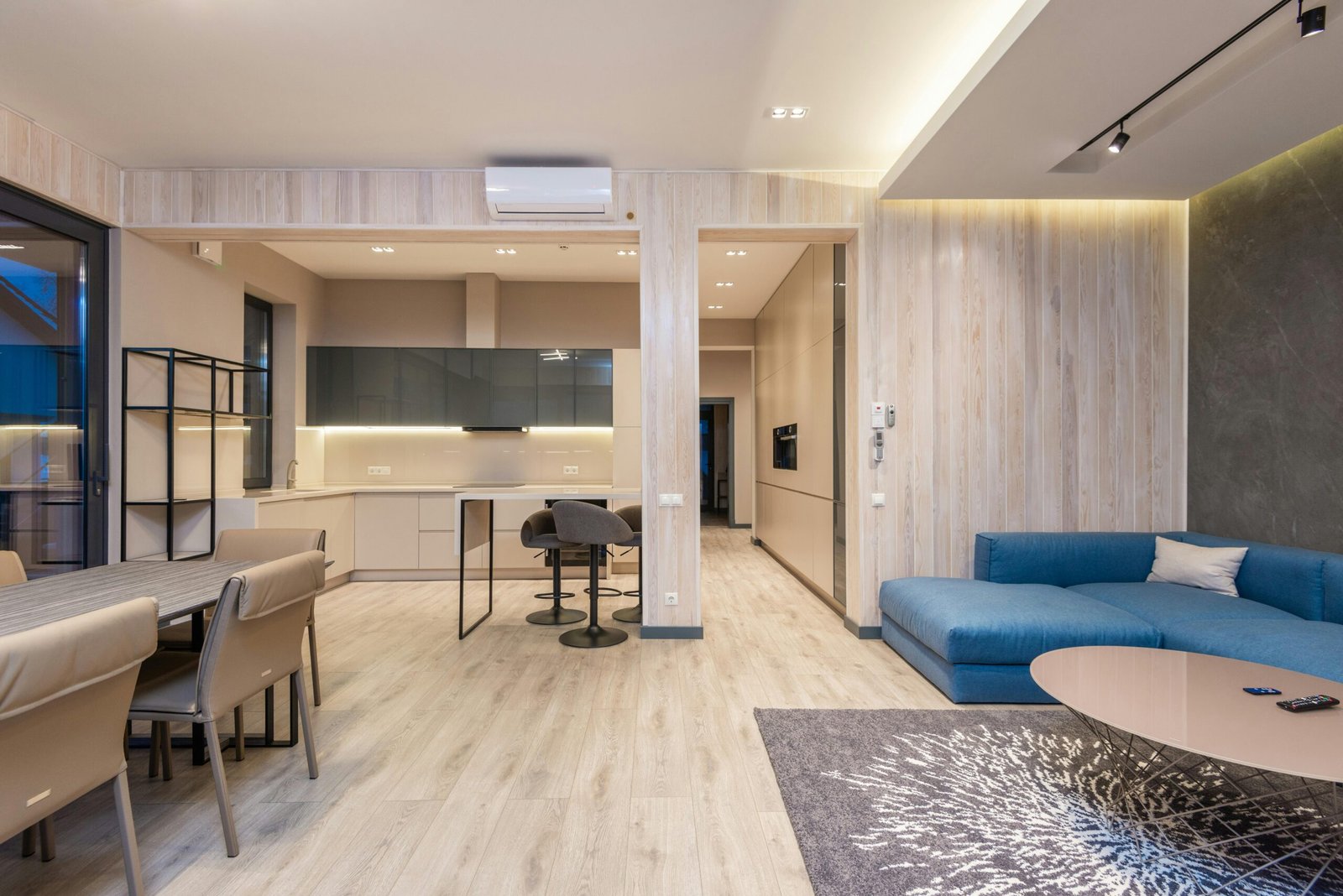
Mirrors are one of the most powerful tools in home decorating. They can brighten a dark corner, make a small room feel bigger, and add a polished, “designer” finish—even when the rest of the decor is simple. But mirrors can also go wrong fast: placed in the wrong spot, they can reflect clutter, create awkward glare, or make a room feel busy instead of beautiful.
The key is using mirrors intentionally. Think of a mirror as more than a functional object—it’s also “wall art,” a light booster, and a visual trick for space. Once you understand what a mirror is doing in your room, you’ll know exactly where to place it, how big it should be, and what style fits best.
In this article, you’ll learn how to decorate with mirrors in a way that feels balanced, tasteful, and high-end—without the “too much mirror” vibe.
What Mirrors Actually Do in a Room
Before choosing a mirror, it helps to understand why it works. Mirrors do three main jobs:
1) They bounce light
Mirrors reflect natural light from windows and artificial light from lamps. This makes rooms feel brighter and more open, especially in spaces that don’t get great sunlight.
2) They create depth
A mirror adds a sense of distance. That’s why a narrow hallway can feel wider and a small living room can feel less cramped.
3) They double what you place in front of them
This is the part people forget. A mirror reflects something. If it reflects a beautiful window view or a tidy console table, it looks amazing. If it reflects a messy corner or a random pile of stuff, it magnifies the problem.
When you treat a mirror like a “frame for a view,” you’ll make better choices instantly.
Choose the Right Mirror Style for Your Home
A mirror should match the overall mood of your space. It doesn’t need to match every item, but it should feel like it belongs.
Frame styles and what they communicate
- Thin black frame: modern, clean, slightly bold
- Brass or gold frame: warm, classic, elegant
- Wood frame: cozy, natural, soft
- Frameless: minimal, airy, contemporary
- Ornate frame: traditional, vintage, dramatic
- Rounded edges / arch shape: softer, more relaxed, trendy in a timeless way
If your room already has strong style cues (like industrial lighting or a rustic coffee table), use the mirror frame to support that direction instead of introducing a totally new look.
Shape matters more than people think
- Round mirrors soften sharp lines in a room full of rectangles (sofas, TVs, windows).
- Rectangular mirrors feel structured and classic, especially above consoles.
- Arched mirrors add height and a gentle architectural feel.
- Organic/freeform mirrors add personality, but should be used carefully so they don’t feel random.
If your space feels “too sharp,” add a round or arched mirror. If it feels “too soft,” a rectangular mirror can bring structure.
Mirror Sizing: The Fast Rules That Prevent Mistakes
Most mirror problems come from sizing. Too small looks awkward; too large can feel overwhelming in the wrong spot.
Above a console table
A classic rule: the mirror should be about two-thirds to three-quarters the width of the console.
- Console is 120 cm wide → mirror around 80–90 cm wide looks balanced.
Above a bathroom vanity
Aim for roughly the width of the vanity, or slightly smaller. If you have two sinks, either:
- one wide mirror, or
- two matching mirrors centered over each sink
Full-length mirrors
If you want a true full-length mirror, aim for at least:
- about 150 cm tall (rough guideline), depending on your height
- wide enough that it feels stable visually, not like a thin strip
Gallery-style mirrors
When using multiple small mirrors, treat them like a gallery wall:
- keep spacing consistent
- make the group read as one “big” visual shape
If you’re unsure between two sizes, choose the larger one. Mirrors that are slightly oversized tend to look more premium than mirrors that are too small.
The Best Places to Put Mirrors (Room by Room)
Entryway: Make the First Impression Bright and Practical
An entry mirror is both functional and stylish. It also makes the entrance feel more open.
Best placements:
- above a console table
- near the door for a quick outfit check
- opposite a light source (a window, or a lamp on the console)
Entryway tip:
Keep what the mirror reflects simple: a clean tabletop, a lamp, a small tray, and maybe one plant or vase.
Living Room: Add Light and Depth Without Competing With the TV
A living room mirror works best when it supports the focal point rather than fighting it.
Great placements:
- opposite a window (to amplify natural light)
- above a fireplace mantel
- on a wall that feels empty but needs “presence”
- behind a sofa (if there’s a console table and good styling)
Avoid:
- placing a mirror where it reflects the TV directly all the time (it can be visually busy)
- placing a mirror that reflects clutter (like shelves full of random objects)
Living room tip:
If your room is long or narrow, a large mirror on a side wall can create a wider feel.
Dining Room: Create “Restaurant” Vibes
A dining room mirror can make the space feel more elegant and special.
Best placements:
- on a wall that reflects the dining table or chandelier
- behind a sideboard or buffet
Dining room tip:
Mirrors look especially good when they reflect a warm light source (like a pendant or chandelier), because it creates a cozy glow.
Bedroom: Softer, Calmer Placement Wins
Bedroom mirrors can help with light and function, but too many mirrors in a bedroom can feel restless. One well-placed mirror is usually enough.
Best placements:
- full-length mirror leaning in a corner
- mirror near the closet area
- mirror that reflects a window, not the bed (if possible)
Bedroom tip:
Choose a frame that matches the softness of the room: wood, warm metal, or a simple rounded shape.
Bathroom: Maximize Light and Flattery
In bathrooms, mirrors should be functional first. But you can still use design rules.
Best placements:
- centered above the vanity
- paired with good lighting (sconces or overhead that’s not too harsh)
Bathroom tip:
If your bathroom is small, a slightly larger mirror can make it feel more spacious—especially if paired with a bright wall color.
Hallways: Make Narrow Spaces Feel Wider
A hallway mirror can create the illusion of width.
Best placements:
- on one side wall, centered at eye level
- at the end of a hallway (to add depth)
Hallway tip:
If the hallway is very narrow, choose a mirror that isn’t too wide, but is tall enough to make the space feel open.
The “What Should the Mirror Reflect?” Rule
This rule alone will make your mirror choices look designer-level:
Put mirrors where they reflect something you want to see twice.
Great things to reflect:
- a window view
- a beautiful lamp
- a plant
- a piece of artwork
- a clean, styled console table
- a chandelier or pendant light
Things to avoid reflecting:
- laundry piles
- open storage clutter
- busy shelves
- harsh overhead lighting glare
- random cords or electronics mess
If your mirror reflects something unattractive, your room can feel “worse” even though the mirror is beautiful.
Using Mirrors to Make a Room Look Bigger
Mirrors don’t magically increase square footage, but they can change how you perceive space.
Best strategy: mirror across from a window
This bounces daylight deeper into the room and adds a sense of openness.
Alternative strategy: mirror on a long wall
In narrow rooms, placing a mirror on a long wall can visually widen the space.
The “leaning mirror” trick
A tall mirror leaning slightly against a wall creates a relaxed, modern look and adds height. It can also be less commitment than hanging something heavy.
If you use a leaning mirror, make sure it feels stable and secure in the space.
Mirrors and Lighting: How to Get the Most Impact
Mirrors amplify light, but only if you use them correctly.
Pair mirrors with lamps
A mirror above a console table with a table lamp is a classic design move for a reason. The lamp provides warmth; the mirror spreads that glow.
Use warm light for a cozy reflection
If your bulbs are very cool/blue-toned, the mirror will reflect that cold feeling. Warm, soft lighting tends to look more inviting.
Avoid direct glare
If a mirror faces a strong light source at just the wrong angle, it can create glare.
Fixes:
- adjust the angle slightly
- move the light source
- choose a mirror with a frame that breaks up the reflection a bit
- use layered lighting (lamps instead of one harsh overhead)
How to Style Around a Mirror (So It Doesn’t Look Random)
A mirror looks best when it’s part of a “moment,” not floating alone with nothing around it.
The console table setup
This is one of the easiest ways to make a mirror look intentional:
- Mirror centered above
- One lamp on one side
- A tray or a stack of books
- One vase or plant
- A small bowl or catch-all for keys
Keep it balanced, but not perfectly symmetrical unless you like a more formal look.
The leaning mirror corner
To make it look styled:
- add a small plant near the base
- add a basket for texture
- keep the corner clean
Above a dresser in the bedroom
Make sure the dresser top isn’t cluttered. A mirror will double whatever is there.
Common Mirror Mistakes (And Quick Fixes)
Mistake 1: Mirror is too small for the wall
Fix: go larger, or group mirrors together as a gallery.
Mistake 2: Mirror reflects messy areas
Fix: move the mirror, or reorganize what it reflects. Sometimes the “fix” is editing the space, not replacing the mirror.
Mistake 3: Too many mirrors in one room
Fix: keep one main mirror as the statement, and remove extra small mirrors that add visual noise.
Mistake 4: Mirror hung too high
Fix: lower it slightly. Mirrors should usually be centered around eye level or aligned with nearby furniture.
Mistake 5: Frame clashes with other finishes
Fix: repeat the frame finish somewhere else (like black hardware, brass lamp, or wood tones) so it feels connected.
Using Multiple Mirrors Without Overdoing It
Multiple mirrors can work beautifully if they’re handled like a design system.
Option 1: A mirror wall (intentional and bold)
If you want an entire wall of mirrors, make it feel planned:
- matching frames
- consistent spacing
- one strong arrangement shape (like a grid)
This looks polished when done cleanly.
Option 2: One statement mirror + small supporting mirror
Example:
- large mirror in entryway
- small mirror in a hallway or powder room
Keep them in the same style family to avoid a scattered look.
Option 3: Mirror as “art”
Antique or uniquely framed mirrors can act like artwork. In that case, treat it as your main wall statement and keep surrounding decor simpler.
Budget-Friendly Mirror Ideas That Still Look High-End
You don’t have to spend a lot to get the mirror effect.
Look for these features
- larger size (even if the frame is simple)
- classic shapes (round, rectangle, arch)
- clean frames (thin black, simple wood, minimal metal)
Easy upgrades
- Replace a cheap mirror’s frame with a DIY painted frame look (even a simple border effect can elevate it).
- Pair a basic mirror with a nice lamp and a styled console—suddenly it looks expensive.
Often, the mirror itself isn’t what makes it feel high-end. It’s the styling around it.
A Simple Mirror Placement Checklist
Before you commit to a mirror spot, ask:
- What will it reflect—something beautiful or something messy?
- Will it bounce natural light into the room?
- Is the size proportional to the wall and furniture nearby?
- Does the frame style fit the room’s direction?
- Is it placed at a comfortable height?
- Does it add calm, not clutter?
If you can answer those with confidence, your mirror will look intentional—not accidental.
The Finishing Touch: Make Mirrors Feel Like Part of the Home
Mirrors work best when they support what you’re already doing in the room: better light, better flow, and better balance. You don’t need mirrors everywhere. You need the right mirror in the right place, reflecting the right thing.
If you want a quick win today, choose one mirror placement upgrade:
- hang your entry mirror above a simple console and add a lamp, or
- lean a full-length mirror in a clean corner and add a plant, or
- move a mirror so it reflects a window instead of a cluttered shelf.
Small changes like these can make your whole home feel brighter, bigger, and more “finished”—without overdoing it.

Isabella Garcia is the creator of a blog dedicated to crafts and home care, focused on making everyday life more creative, organized, and enjoyable. The blog shares practical tips, easy DIY projects, home organization ideas, and simple solutions to take better care of your living space. Whether you’re a beginner in crafting or someone looking for inspiration to improve your home routine, Isabella’s blog offers clear, useful, and hands-on content to help you create a cozy, beautiful, and well-cared-for home.