
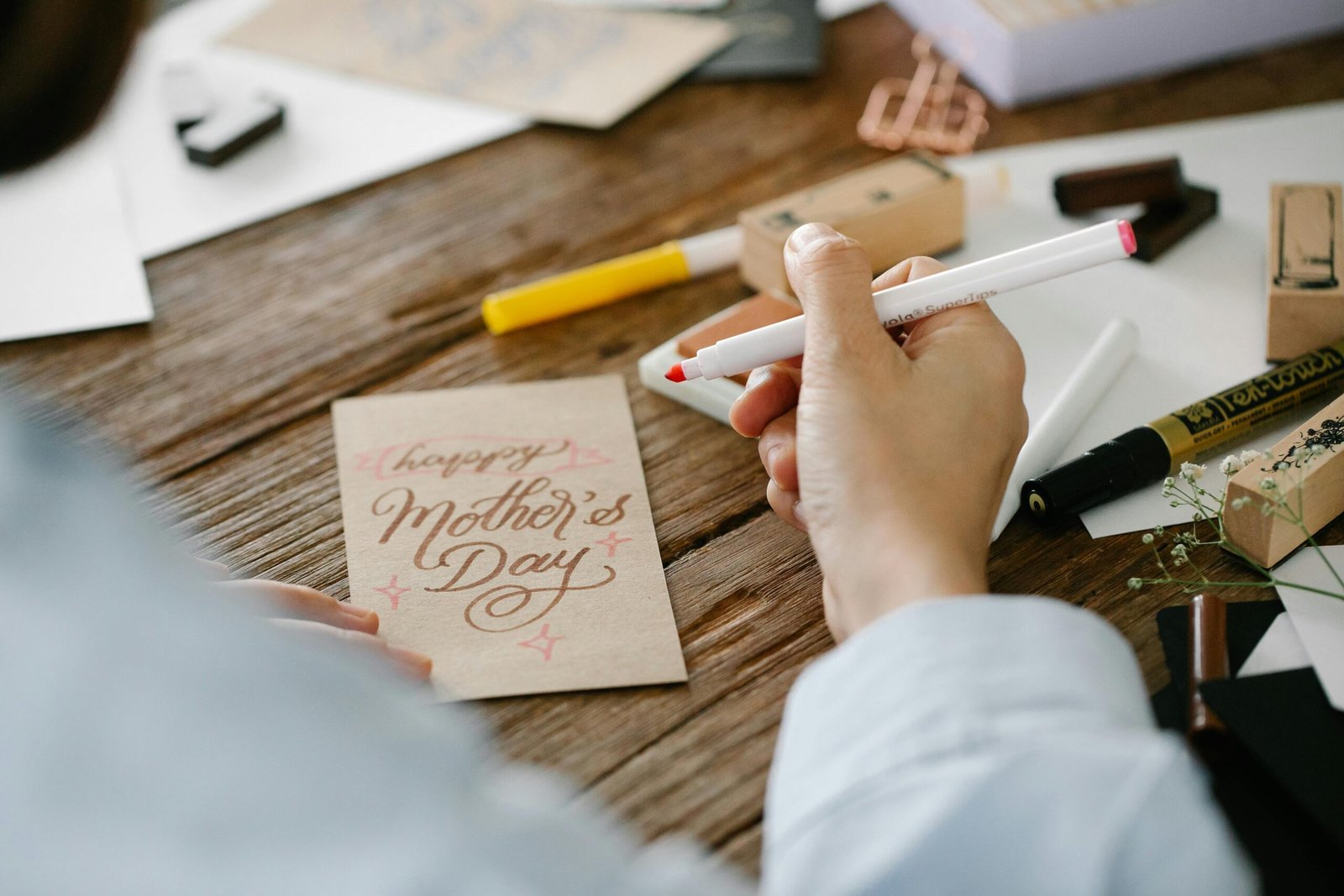
Scrapbooking is a creative and enjoyable way to preserve memories, but sometimes it can be difficult to know where to start. There are so many decisions to make—what paper to use, where to place your photos, which embellishments to add—making the process feel overwhelming at times. This is where scrapbook sketches come in.
A scrapbook sketch is a blueprint or a visual plan for your scrapbook layout. It provides a structured template for arranging your photos, papers, and embellishments, allowing you to focus more on the creative process and less on design decisions. Using scrapbook sketches can help you streamline your process, create more dynamic layouts, and spark new ideas.
In this article, we’ll explore what scrapbook sketches are, how to use them effectively, and how to create your own. Whether you’re new to scrapbooking or a seasoned pro, these tips will help you make the most of your layouts.
1. What is a Scrapbook Sketch?
A scrapbook sketch is essentially a design blueprint for a scrapbook page. It’s a visual representation of how the elements (photos, journaling, embellishments) should be arranged on a layout. A sketch typically includes the size and placement of the photos, the type of background paper, where to place the title, and suggested areas for embellishments and journaling.
1.1. Types of Scrapbook Sketches
Scrapbook sketches can vary in complexity, from simple layouts to more intricate designs. Some common types include:
- Single-photo Sketches: These are designed to showcase one main photo as the focal point of the page.
- Multi-photo Sketches: These sketches include space for multiple photos, perfect for events like vacations or family gatherings.
- Grid Sketches: A grid-style sketch involves organizing the page into uniform sections for photos and embellishments.
- Themed Sketches: Some sketches are designed around a particular theme, like holidays, birthdays, or travel.
- Sketches for Interactive Layouts: These are more complex sketches that include pull-out tabs, flaps, or pockets for hidden journaling and additional photos.
1.2. Benefits of Using Scrapbook Sketches
There are several benefits to using scrapbook sketches in your creative process:
- Saves Time: Scrapbook sketches help streamline your design process. Rather than spending time deciding where to place photos and embellishments, you have a ready-made plan to follow.
- Promotes Consistency: Using sketches allows you to create consistent designs across multiple pages or albums. This is particularly helpful when you’re documenting an event with many photos.
- Fosters Creativity: When you use a sketch, you’re starting with a basic design structure, which can spark new ideas. You can personalize the sketch by adding your own creative touches, like color, texture, and embellishments.
- Reduces Decision Fatigue: The sketch acts as a guideline, reducing the number of decisions you need to make. This makes the scrapbooking process more enjoyable and less stressful.
2. How to Use Scrapbook Sketches Effectively
While a scrapbook sketch can provide the foundation for your layout, it’s important to know how to use it effectively to enhance your project. Here are some tips for making the most out of scrapbook sketches:
2.1. Start with a Simple Sketch
If you’re new to using scrapbook sketches, start with a simple design. A basic layout that includes one or two photos, a title, and a few embellishments will help you get familiar with the process. As you become more comfortable, you can move on to more complex sketches with multiple photos or interactive elements.
2.2. Adjust the Sketch to Fit Your Photos
While sketches provide a general guideline, they’re not set in stone. Feel free to adjust the layout to fit your photos. For example, if your photos are different sizes than the ones in the sketch, move the photo boxes around or resize them to fit. You can also rotate the sketch to accommodate vertical or horizontal photos.
2.3. Use the Sketch as a Starting Point
Consider the sketch as a starting point rather than a strict rulebook. Use it to guide the overall layout of your page, but don’t be afraid to make changes along the way. If you feel that the title or journaling spot needs to be repositioned or that an embellishment should be moved, feel free to make adjustments. The sketch is there to provide inspiration, not limit your creativity.
2.4. Experiment with Different Styles
Scrapbook sketches are versatile, and you can experiment with different styles and interpretations of a sketch. For example, if the sketch calls for a circular photo placement, try swapping it out for a square or oval. Or, if the sketch suggests using flowers as embellishments, you could use stars, hearts, or geometric shapes instead. Customizing the elements in the sketch will allow you to create unique layouts that reflect your personal style.
2.5. Play with Color
The colors in a scrapbook sketch are typically just a guideline. The sketch may suggest using neutral backgrounds with bold accents, but feel free to experiment with color. Use the color palette that matches the theme of your project, such as soft pastels for a baby album or vibrant hues for a summer vacation layout. Color can completely change the mood of your layout, so have fun with it!
2.6. Create Multiple Pages from One Sketch
One of the great things about scrapbook sketches is their adaptability. You can use the same sketch to create multiple pages, especially if you’re documenting an event with many photos. For example, you can reuse a multi-photo sketch for different pages of a vacation album, simply changing the photos, color scheme, and embellishments to make each page feel unique.
3. Where to Find Scrapbook Sketches
There are many places where you can find scrapbook sketches, ranging from free online resources to paid subscriptions. Here are a few options:
3.1. Scrapbooking Websites and Blogs
Many scrapbooking websites and blogs offer free sketches that you can download and use. Some websites even provide printable sketches, so you can print them out and use them as a template. Popular scrapbooking sites, such as Scrapbook.com, Pinterest, and Scrapbooks Etc., offer a wealth of free sketch ideas.
3.2. Scrapbook Magazines
Scrapbook magazines often include sketches in their issues, along with layout examples and design tips. These magazines can be a great source of inspiration and are available in both print and digital formats.
3.3. Paid Subscription Services
If you want access to more advanced or themed scrapbook sketches, you can subscribe to paid services. Websites like PageMaps and Sketch Savvy provide monthly or yearly subscriptions that give you access to a wide range of sketches designed by professional scrapbookers. These sites often offer exclusive content, such as downloadable PDF templates and step-by-step instructions.
3.4. Create Your Own Sketches
If you’re feeling inspired, you can also create your own scrapbook sketches. Simply sketch out your layout on paper, taking note of photo placements, journaling areas, and where you want to add embellishments. Once you have your design, you can refine it digitally by scanning or photographing it, making it easy to reproduce for future layouts.
4. How to Create Your Own Scrapbook Sketches
Creating your own scrapbook sketches is a fun and rewarding way to take full control of your scrapbook design. Here’s a simple step-by-step guide to creating custom sketches:
4.1. Start with Basic Layouts
Begin by sketching basic layouts, like grid patterns or symmetrical designs. These simple layouts form the foundation for more intricate designs later on. Focus on placing photo areas, journaling spots, and embellishment zones.
4.2. Play with Dimensions and Placement
Experiment with the size and placement of the photos and other elements. You can create layouts with multiple photos in a grid or opt for a more freeform style with a single focal photo. Decide where to place the title, journaling, and embellishments, keeping balance and flow in mind.
4.3. Add Layers and Texture
Consider adding layers to your sketches by indicating where patterned paper or textured elements should be placed. This will give your layout depth and interest. You can include embellishment spots where items like buttons, ribbons, or stickers could go.
4.4. Refine and Adjust
Once you’ve sketched out your layout, make adjustments as needed. Play with the positioning of elements, adjust photo sizes, and add more detailed design elements like borders or frames. This will help you perfect the layout before you start working on the actual scrapbook page.
4.5. Digitize Your Sketches
If you prefer digital scrapbooking or want to create templates that can be reused multiple times, scan or photograph your hand-drawn sketches and store them digitally. You can use software like Adobe Photoshop or Canva to further refine and adjust your sketches for digital scrapbooking.
5. Tips for Making the Most of Scrapbook Sketches
Here are a few additional tips for using scrapbook sketches to their full potential:
5.1. Experiment with Different Formats
Don’t limit yourself to standard 12×12-inch layouts. Scrapbook sketches can be adapted to different sizes, including 8×8 or 6×6-inch layouts. Play around with formats to suit the theme or size of the album you’re creating.
5.2. Try Sketches for Mixed Media
If you enjoy incorporating mixed media elements like stamping, painting, or embossing into your scrapbooking, try using a sketch as a base for these techniques. Sketches provide a great starting point for adding texture and layers with different materials.
5.3. Use Sketches for Special Events
If you’re working on a scrapbook for a specific event (e.g., a wedding, vacation, or baby shower), use themed sketches that match the occasion. Customize the sketches with appropriate embellishments and colors to fit the event’s mood.
6. Conclusion: Unlock Your Creativity with Scrapbook Sketches
Scrapbook sketches are a fantastic tool that can help you plan and organize your pages with ease. They provide a solid foundation for your layout, saving you time and effort while allowing for creative expression. Whether you use free sketches from online resources or create your own custom designs, using sketches will streamline your scrapbooking process, improve the consistency of your pages, and inspire new ideas.
By embracing scrapbook sketches, you can bring your memories to life in a creative and organized way, while making your scrapbooking experience more enjoyable and efficient.

Isabella Garcia is the creator of a blog dedicated to crafts and home care, focused on making everyday life more creative, organized, and enjoyable. The blog shares practical tips, easy DIY projects, home organization ideas, and simple solutions to take better care of your living space. Whether you’re a beginner in crafting or someone looking for inspiration to improve your home routine, Isabella’s blog offers clear, useful, and hands-on content to help you create a cozy, beautiful, and well-cared-for home.