
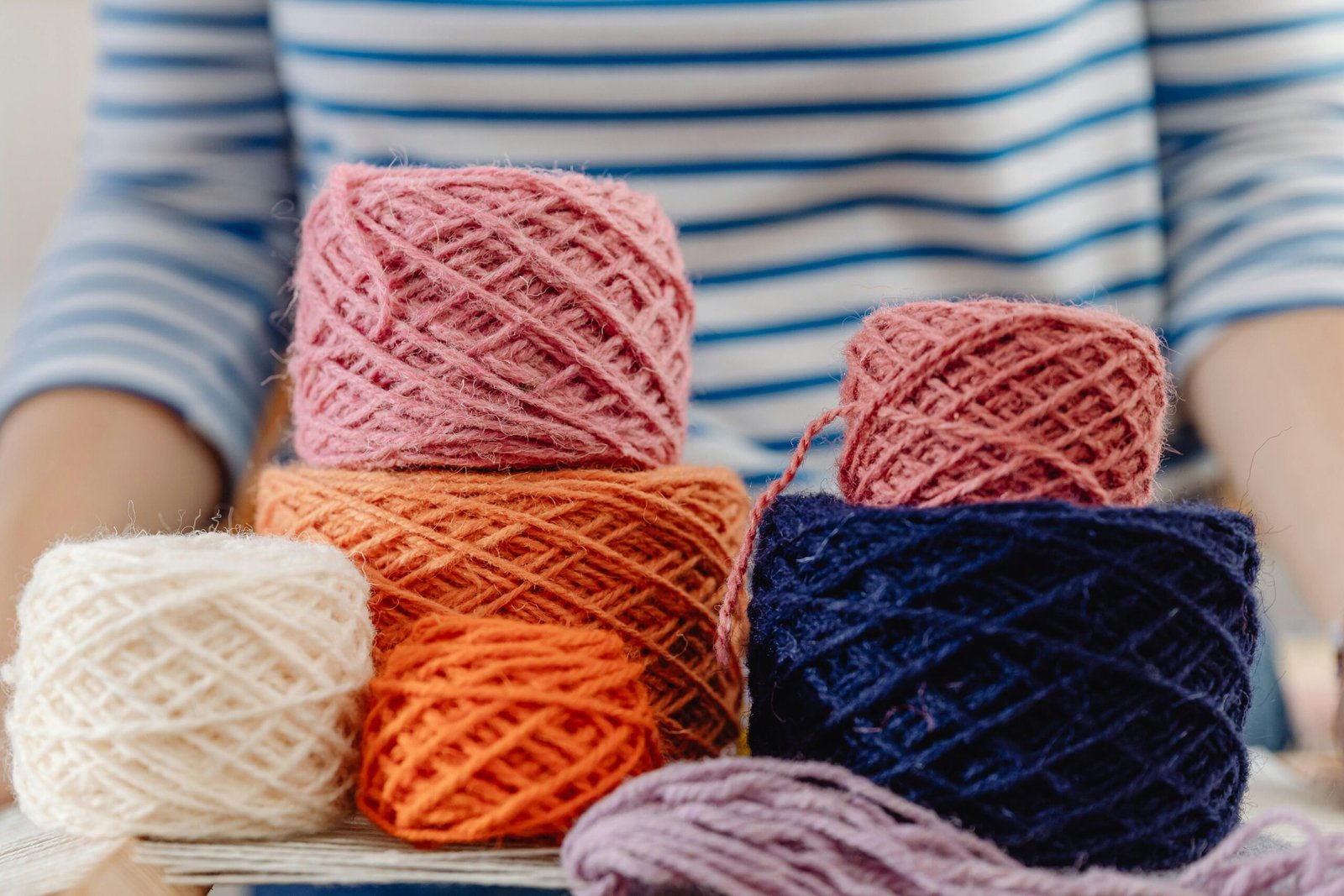
Finishing a crochet or knitting project feels amazing—until the first time you need to wash it. Beginners often worry (for good reason): “Will it shrink?” “Will it stretch?” “Will the color bleed?” “Will it get fuzzy?” “Will my stitches look weird afterward?” The truth is that handmade items can last a long time, but they need care that matches the yarn fiber and the way the fabric is constructed.
The good news is that caring for crochet and knitted pieces doesn’t have to be complicated. If you learn a few simple rules—how to read a yarn label, when to hand wash, when machine washing is okay, how to dry without stretching, and how to store items so they don’t lose shape—you’ll protect your work and keep it looking “freshly made” for longer.
This guide will walk you through everything a beginner needs to know: fiber-by-fiber care (acrylic, cotton, wool, blends), washing methods, drying methods, stain removal basics, de-pilling, reshaping, and storage. If you treat your projects like the valuable items they are, you’ll get more wear, more compliments, and less stress.
Start Here: Always Check the Yarn Label (Even If You Hate Labels)
The yarn label is your best friend. It usually tells you:
- washing temperature (cold/warm)
- whether machine wash is safe
- whether tumble drying is safe
- whether to bleach (usually no)
- whether ironing is safe
- fiber content (acrylic, cotton, wool, blend)
If you don’t have the label, try to remember the fiber you used. Care depends more on fiber than on whether you crocheted or knitted.
Beginner tip: if you’re making gifts, save the label or take a photo of it. That way you can tell the recipient how to wash it.
Why Crochet and Knitting React Differently to Washing
Even with the same yarn, crochet and knitting can behave differently:
- Knitting often creates a more elastic, drapey fabric that can stretch when wet.
- Crochet often creates a thicker, structured fabric that can hold shape well, but it may also relax after washing.
Both can change slightly after washing, especially if you block or reshape them. This isn’t a bad thing—washing can actually make stitches look more even and fabric feel softer. The goal is to control the process so it doesn’t turn into stretching, shrinking, or fuzz.
The Three Washing Levels: Spot Clean, Hand Wash, Machine Wash
Before you wash the whole item, ask: do you really need to?
Spot cleaning (small marks)
Best for:
- tiny stains
- areas like cuffs or edges
- items that don’t need a full wash yet
How:
- use a small amount of gentle soap
- dab, don’t scrub aggressively
- rinse the area carefully
- press with a towel to remove water
- reshape and let dry
Hand washing (safest for most handmade items)
Best for:
- wool and wool blends
- delicate stitches
- wearables you want to protect
- items with special texture or shape
Machine washing (only when fiber allows)
Best for:
- many acrylic items
- some cotton items
- “superwash” wool (still use caution)
- sturdy projects like blankets and some scarves
Even if the label says machine washable, you can still choose gentle settings to reduce wear.
Hand Washing Step-by-Step (Beginner Safe Method)
Hand washing is the safest overall method, and it’s easier than it sounds.
- Fill a basin with cool or lukewarm water
Hot water increases shrink risk and can felt wool. - Add a small amount of gentle soap
A mild detergent is best. You don’t need much. - Submerge the item and press it gently
Don’t twist or wring. Let it soak for 10–20 minutes. - Rinse with clean water
Drain the soapy water and refill with clean water until the water runs clear. Press gently. - Remove water without stretching
Lift the item with support (especially knits). Press water out carefully. - Towel roll to remove extra water
Lay item flat on a towel, roll it up, and press. This removes water without pulling the fabric. - Lay flat to dry and reshape
Smooth edges, flatten curls, and shape it to the correct size.
This method is gentle, reliable, and works for almost any fiber.
Machine Washing Step-by-Step (When It’s Safe)
Machine washing can be fine for many beginner projects if the yarn allows it, but you need “damage control.”
Best machine-wash habits:
- use cold water
- use gentle or delicate cycle
- use a laundry bag for wearables (reduces friction)
- use mild detergent
- avoid heavy loads (zippers, towels, jeans can damage your item)
If your project is large (like a blanket), a gentle cycle is still helpful, but you may need to shape it carefully during drying.
Beginner tip: if you’re nervous, wash a small swatch made from the same yarn first. That test teaches you how the fiber behaves.
Drying: The Step That Causes the Most Damage
Most handmade damage happens in drying, not washing.
Air drying flat (best for most items)
Flat drying prevents stretching and keeps shape.
How:
- lay the item on a dry towel or drying rack
- reshape it gently
- flip it once midway if needed so it dries evenly
Hanging (usually not recommended for knits)
Hanging can stretch knitted items dramatically, especially when wet. Even crochet can stretch if heavy.
If you must hang:
- do it only when mostly dry
- support weight across a wide area (not by one corner)
Tumble drying (only if the label allows)
Some acrylic yarns tolerate tumble drying on low heat, but it can increase pilling and fuzz. Wool generally should not go in the dryer unless the label specifically says it’s safe.
If tumble drying is allowed:
- use low heat
- remove while slightly damp
- reshape and finish air drying flat
Fiber-by-Fiber Care: Acrylic
Acrylic is popular because it’s affordable and often easy-care.
What acrylic likes:
- cool or warm wash (check label)
- gentle cycle if machine washing
- air dry flat for best shape
- low heat only if tumble drying is allowed
What to watch out for:
- high heat can soften or distort acrylic fibers
- friction can cause pilling (little fuzz balls)
- some acrylic holds odors more than natural fibers (airing out helps)
Beginner-friendly acrylic routine:
- machine wash cold, gentle cycle
- air dry flat
- de-pill occasionally if needed
Fiber-by-Fiber Care: Cotton
Cotton is strong, absorbent, and great for dishcloths, coasters, and summer wearables.
What cotton likes:
- machine wash is often fine
- warm water can be okay (check label)
- air dry or tumble dry depending on label
What to watch out for:
- cotton can stretch when wet
- heavy cotton items can sag if hung
- cotton may shrink slightly if washed hot then dried hot
Beginner-friendly cotton routine:
- wash cool or warm
- reshape and dry flat for wearables
- for dishcloths, normal drying is usually fine
Fiber-by-Fiber Care: Wool
Wool is warm, elastic, and blocks beautifully—but it needs gentler care.
What wool likes:
- cool water
- hand washing
- gentle handling (no agitation)
- flat drying
What to watch out for:
- agitation + heat can felt wool (it becomes denser and smaller)
- temperature changes can shock fibers
- some wool can stretch if you don’t support it when wet
If your wool is “superwash,” it’s treated to reduce felting and may be machine washable, but gentle care still helps it last longer.
Beginner-friendly wool routine:
- hand wash in cool water
- towel roll
- dry flat and reshape
Fiber-by-Fiber Care: Blends
Blends can behave like the most sensitive fiber in the mix.
Common blends:
- acrylic/wool: usually easier than pure wool, but still can pill
- cotton/acrylic: often good stitch definition with easier care than pure cotton
- wool/nylon: common for socks (nylon adds strength)
Beginner rule: if you’re unsure, treat blends gently—cool wash, gentle soap, flat dry.
How Often Should You Wash Handmade Items?
Overwashing increases wear, fuzz, and stretching.
A practical beginner guide:
- scarves: wash occasionally, air out often
- hats: wash when needed (sweat buildup), spot clean in between
- sweaters: wash after several wears unless stained
- blankets: wash occasionally, more if used daily
- dishcloths: wash frequently (they’re meant for it)
Air out items by laying them flat in a well-ventilated area. Often that’s enough between washes.
Stain Removal Basics That Won’t Destroy Your Work
Stains happen. The key is gentle action and patience.
Beginner stain rules:
- act fast when possible
- blot, don’t rub hard
- use cool water first
- test soap on a hidden area if the yarn is delicate or dark
For oily stains:
- a tiny amount of gentle dish soap can help
- dab, rinse, repeat
For food stains:
- soak in cool water with mild detergent
- avoid hot water, which can set some stains
Avoid harsh bleach on most yarns—it can weaken fibers and damage color.
Reshaping and “Light Blocking” After Washing
Washing is a chance to improve shape.
After washing, while the item is damp:
- smooth edges
- straighten corners
- adjust to the size you want
- press gently into shape, don’t stretch aggressively
For lace or openwork, you may pin it to shape. For basic scarves and hats, simple smoothing is often enough.
If your item looks slightly uneven, reshaping while damp can make it look more polished.
Pilling and Fuzz: How to Keep Items Looking New
Pilling is common, especially in acrylic and blends. It’s not your fault, and it doesn’t mean the yarn is “bad.” Friction causes pills—like under arms, against bag straps, or where scarves rub coats.
How to reduce pilling:
- wash gently (less friction)
- avoid rough drying methods
- store carefully (don’t crush items)
How to remove pills:
- use a fabric shaver or de-piller carefully
- or gently trim pills with small scissors
- don’t pull pills off by hand (can damage fibers)
De-pilling occasionally can make an item look dramatically newer.
Stretching and “Growing”: What to Do If Your Item Gets Bigger
Some items relax after washing—especially knits, cotton, and some heavy pieces.
If it grows:
- reshape to the intended size while damp
- dry flat, not hanging
- for future washes, reduce soaking time and handle gently
If a hat becomes looser:
- check if the fiber is stretchy (wool) or relaxing (cotton)
- gentle reshaping can help, but fiber behavior matters
This is why fiber choice is important for fitted items.
Shrinking: How to Avoid the Most Common Causes
Most shrinking happens from:
- hot water
- high heat drying
- agitation (especially for wool)
To avoid shrink:
- use cool water
- choose gentle cycles
- air dry flat
- avoid sudden temperature changes
If an item shrinks, it may not be fully reversible, especially if wool felts. Prevention is the best strategy.
Storage: How to Prevent Stretching, Moths, and Misshaping
Storage matters, especially for wool.
Best storage habits:
- store clean items (stains can attract pests)
- fold knitwear instead of hanging it
- keep items dry and well-ventilated
- use sealed containers for long-term storage if needed
For wool:
- store in airtight bins or bags if moths are a concern
- use natural deterrents like cedar blocks if you like, but the main protection is clean storage and sealed containers
For blankets:
- fold loosely
- avoid stuffing too tightly (can create permanent creases)
For hats and structured items:
- store in a shape-friendly way (don’t crush brims or edges)
Gift Tip: Include Care Instructions Without Making It Awkward
If you gift a handmade item, a simple care note helps it survive.
A beginner-friendly gift care note might include:
- wash cool, gentle
- dry flat
- avoid high heat
- contact me if you have questions
People appreciate it, and it protects your work.
The Takeaway: Gentle Care Protects Your Time and Skill
Crochet and knitting projects are made of hours of learning, patience, and effort. Caring for them well isn’t “extra”—it’s part of finishing like a pro. The simple habits that protect your work are:
- check the yarn label and fiber
- wash gently (hand wash when in doubt)
- dry flat and reshape
- avoid high heat
- store folded, not hanging
- remove pills carefully when they appear
If you follow those steps, your items will stay softer, neater, and longer-lasting—so your next project doesn’t replace the last one, it adds to a collection you’re proud of.

Isabella Garcia is the creator of a blog dedicated to crafts and home care, focused on making everyday life more creative, organized, and enjoyable. The blog shares practical tips, easy DIY projects, home organization ideas, and simple solutions to take better care of your living space. Whether you’re a beginner in crafting or someone looking for inspiration to improve your home routine, Isabella’s blog offers clear, useful, and hands-on content to help you create a cozy, beautiful, and well-cared-for home.