
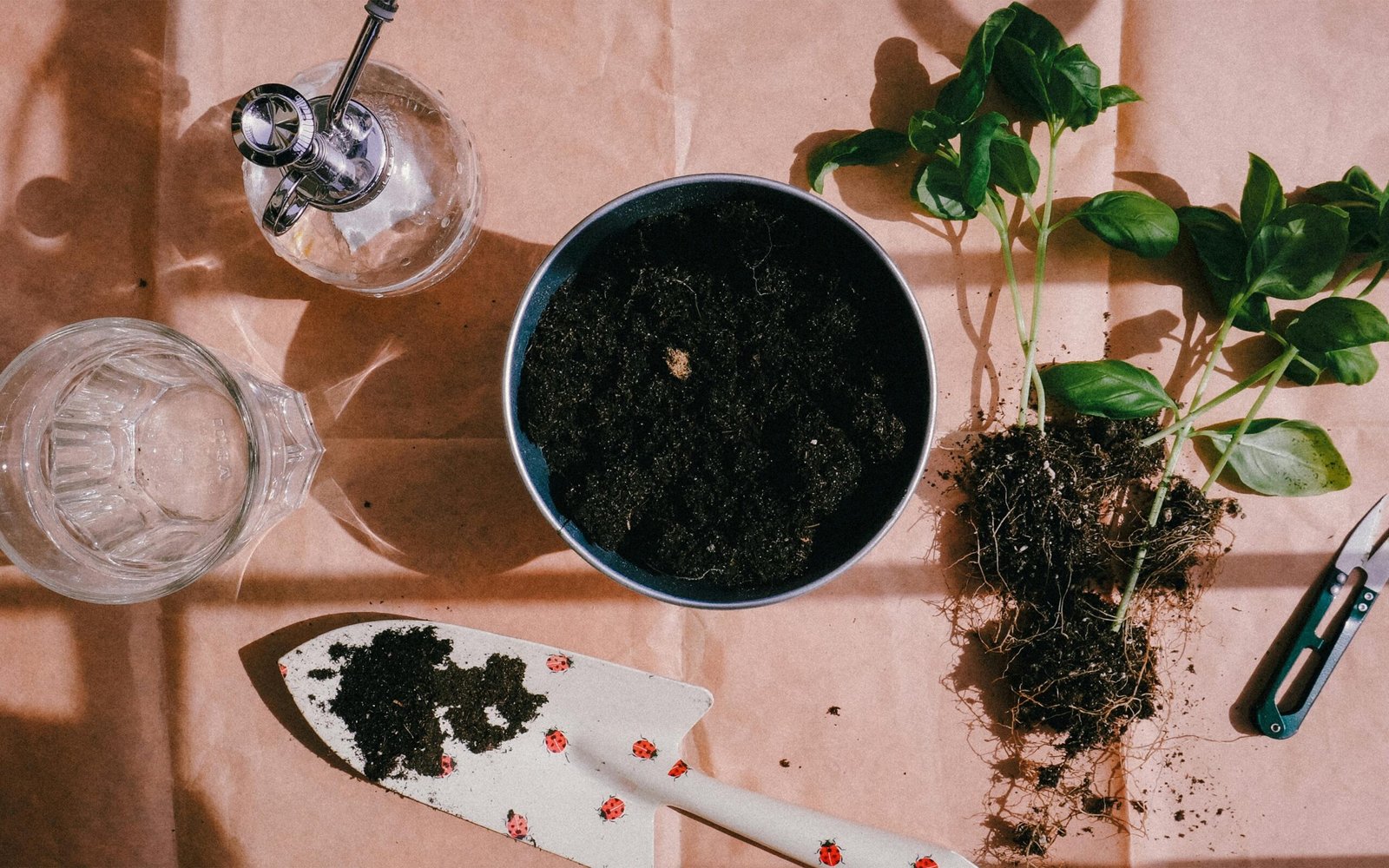
Watering is one of the most critical aspects of plant care, yet it’s often one of the most misunderstood. Overwatering and underwatering are two common mistakes made by plant owners, and both can lead to stressed, unhealthy plants. Understanding the proper way to water your indoor plants is essential to ensure they thrive and grow strong.
In this guide, we’ll explore the best practices for watering your plants, when to water, how to check the moisture level, and how different types of plants have unique water requirements. Let’s dive in!
1. Understanding Your Plant’s Water Needs
The first step to watering your plants correctly is understanding that every plant is different. Some plants require frequent watering, while others prefer to dry out between waterings. Factors such as the type of plant, the season, the pot size, and the environmental conditions in your home can all influence how often and how much water your plants need.
Why Do Different Plants Have Different Water Needs?
Plants have evolved to adapt to their natural environments, which influence their water needs. For example, desert plants like cacti and succulents have evolved to store water in their leaves, stems, and roots. As a result, they need very little water to survive and thrive. On the other hand, tropical plants like ferns and peace lilies come from humid environments and need more frequent watering to keep their soil moist.
How to Identify Your Plant’s Watering Needs
- Research Your Plant: Before purchasing a plant, take the time to research its specific water requirements. Many plant care guides and resources will provide this information.
- Understand the Climate: The climate in which you live will also affect how often your plants need water. For example, plants in warmer climates will likely need more water, while those in cooler environments may need less.
- Observe Your Plants: Over time, you’ll get to know your plant’s specific needs. If the plant starts to droop, it might be thirsty, but if the leaves turn yellow and feel soggy, it may be getting too much water.
2. The Right Time to Water Your Plants
Knowing when to water is just as important as knowing how much to water. Many plant owners make the mistake of watering on a fixed schedule, but plants have unique needs that can vary depending on several factors.
Factors to Consider When Deciding When to Water
- Soil Moisture: The most effective way to determine if your plant needs water is by checking the soil. For most plants, the top inch of soil should be dry before you water again. For plants like succulents, allow the soil to dry out completely before watering.
- Time of Day: The best time to water most plants is early in the morning or late in the evening. Watering in the morning gives the plant time to absorb the moisture before the heat of the day. Watering in the evening allows the plant to drink without the sun evaporating the water too quickly.
- Seasonal Changes: During the growing season (spring and summer), your plants will need more water because they are actively growing. In the dormant season (fall and winter), most plants will require less water as their growth slows down.
3. How to Check the Soil Moisture Level
One of the most common questions among plant owners is: “How do I know when to water my plants?” The answer lies in understanding how to check the moisture level of the soil.
Methods for Checking Soil Moisture
- Finger Test: The simplest way to check soil moisture is by sticking your finger about an inch deep into the soil. If it feels dry, it’s time to water. If it feels moist, wait a few more days before checking again.
- Soil Moisture Meter: For more accuracy, you can use a soil moisture meter, which measures the moisture content in the soil. This is especially helpful for plants that are more sensitive to overwatering or underwatering.
- Lift the Pot: Another way to check is by lifting the pot. If the pot feels light, it’s a sign that the soil has dried out and the plant likely needs water. If it feels heavy, the soil is still wet, and you can wait before watering again.
4. The Right Way to Water Your Plants
Watering correctly is just as important as knowing when to water. The way you water your plants affects their root system and overall health.
How to Water Properly
- Water Thoroughly: When you water your plants, it’s essential to water thoroughly. Water until you see it draining out of the bottom of the pot. This ensures that the roots receive enough water and that excess salts and minerals are flushed out of the soil.
- Water Evenly: Try to water the entire surface of the soil, not just one spot. This helps ensure that all roots receive moisture and encourages the plant to grow strong, healthy roots.
- Use Room Temperature Water: Plants are sensitive to temperature extremes, so it’s best to water with room temperature water. Cold water can shock the roots, while hot water can damage them.
- Avoid Wetting the Leaves: When watering your plants, try to avoid getting the leaves wet, especially for plants that are prone to fungal diseases. Watering directly at the base of the plant is usually the best practice.
5. The Importance of Proper Drainage
One of the biggest mistakes plant owners make is using pots without proper drainage. Without drainage holes, water can accumulate at the bottom of the pot, leading to root rot and poor plant health.
Why Drainage Matters
Water needs to be able to flow out of the pot to prevent it from sitting stagnant at the bottom. Without proper drainage, the soil becomes waterlogged, and the roots cannot absorb oxygen. This can lead to root rot, yellowing leaves, and overall plant decline.
How to Ensure Proper Drainage
- Use Pots with Drainage Holes: Always make sure your pots have drainage holes at the bottom to allow excess water to escape.
- Use a Saucer: Place a saucer under the pot to catch excess water that drains out. Be sure to empty the saucer after watering to prevent the plant from sitting in water.
- Use Well-Draining Soil: For plants that require good drainage, like succulents, make sure to use soil that drains well. You can also mix in sand or perlite to improve drainage.
6. Adjusting Watering for Different Types of Plants
Different plants have different water needs, and understanding the specific needs of your plants is essential for their health. Here are some general guidelines for watering different types of indoor plants:
- Succulents and Cacti: These plants prefer dry conditions and only need to be watered when the soil is completely dry. They thrive in well-draining soil and need very little water.
- Tropical Plants (e.g., Ferns, Peace Lilies): These plants prefer consistently moist soil, so they need regular watering, especially during the growing season. However, they should never sit in water, as this can cause root rot.
- Flowering Plants (e.g., Orchids, African Violets): Flowering plants generally require more water during their flowering period. Water when the top inch of the soil is dry, but avoid overwatering, as these plants can be sensitive to soggy roots.
- Hardy Plants (e.g., Spider Plants, Snake Plants): These plants are more forgiving and can go longer between waterings. Allow the soil to dry out completely before watering again.
7. Dealing with Common Watering Issues
Even with the best intentions, sometimes plants can show signs of overwatering or underwatering. Here’s how to identify and address common watering problems:
Overwatering Symptoms
- Yellowing Leaves: This is often a sign of root rot or excess water. If the leaves are yellow and soft, reduce the amount of water and ensure your plant has good drainage.
- Wilting: While wilting is often a sign of underwatering, it can also happen due to overwatering. Overwatered plants may appear limp because the roots are not able to absorb water properly.
Underwatering Symptoms
- Crisp, Brown Leaves: If your plant’s leaves are turning brown and dry at the tips, it could be a sign of underwatering. Ensure you are watering deeply and consistently.
- Drooping: Plants that have been underwatered may droop or appear limp, as they don’t have enough moisture to support their leaves.
Conclusion: Mastering the Art of Watering
Watering is a vital part of plant care, but it’s not a one-size-fits-all process. By understanding your plant’s specific needs, checking the moisture level regularly, and watering properly, you can ensure your indoor plants thrive. Always remember that each plant has its unique water requirements, and it’s essential to observe and adjust your watering habits to keep them healthy.
With these tips, you’ll become a pro at watering your plants and provide them with the best environment to grow strong and vibrant. Happy watering!

Isabella Garcia is the creator of a blog dedicated to crafts and home care, focused on making everyday life more creative, organized, and enjoyable. The blog shares practical tips, easy DIY projects, home organization ideas, and simple solutions to take better care of your living space. Whether you’re a beginner in crafting or someone looking for inspiration to improve your home routine, Isabella’s blog offers clear, useful, and hands-on content to help you create a cozy, beautiful, and well-cared-for home.