
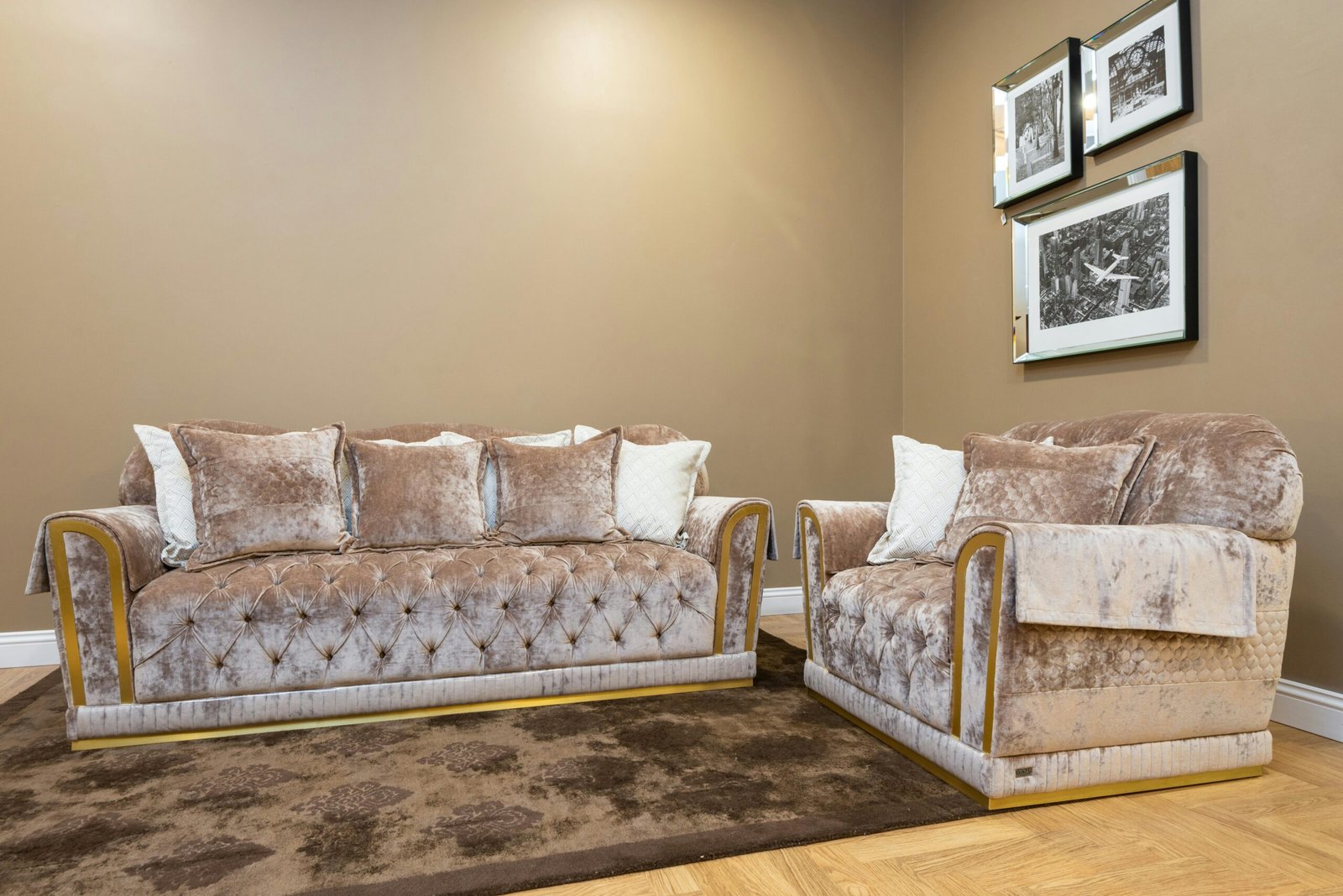
Lighting is one of the most powerful—and most ignored—parts of home decor. You can have a beautiful sofa, a great rug, and stylish wall art, but if your lighting is harsh or flat, the room will still feel unfinished. On the other hand, even simple furniture can look more expensive and more welcoming when lighting is layered correctly.
Designers don’t rely on one overhead ceiling light. They build “light layers” that create depth, warmth, and comfort. And the best part? You can do this without renovations. Most lighting upgrades come from lamps, bulb choices, placement, and a few smart rules that keep the room balanced.
This guide will show you how to use lighting like a designer: how to layer light sources, choose the right lamps for each space, avoid common lighting mistakes, and create a home that feels cozy, polished, and inviting at any time of day.
Why lighting changes everything (even more than decor)
Lighting affects:
- how big a room feels,
- how warm or cold a room looks,
- how “expensive” finishes appear,
- how colors read,
- and how comfortable the space feels at night.
Bad lighting can make a room feel:
- harsh,
- cluttered,
- flat,
- or cold.
Good lighting makes a room feel:
- soft,
- layered,
- calm,
- and finished.
If you want one upgrade with high impact, lighting is often the best place to start.
The designer concept: layered lighting
A well-lit room usually includes three layers:
- Ambient lighting
General light that fills the room (overhead fixture, recessed lights, ceiling light). - Task lighting
Focused light for doing things: reading, cooking, working (desk lamp, under-cabinet lights, reading lamp). - Accent lighting
Lighting that creates atmosphere and highlights areas (table lamps, wall sconces, picture lights, small lamps on shelves).
Most homes rely heavily on ambient lighting only. That’s why rooms feel flat. Add task + accent lighting, and the room gains depth instantly.
The quickest rule to remember: use at least 2–3 light sources per room
A living room with only an overhead light feels like a waiting room. A living room with a floor lamp and a table lamp feels like home.
A simple “minimum lighting” plan:
- Small room: 2 light sources
- Medium room: 3 light sources
- Large room: 3–5 light sources (spread across zones)
This doesn’t mean the room needs to be bright. It means it needs layers.
Step 1: Decide how you want the room to feel at night
Lighting mood matters. Ask:
- Do I want cozy and calm?
- Do I want bright and energetic?
- Do I want soft and romantic?
- Do I want focused and productive?
Most living rooms and bedrooms benefit from cozy, warm lighting. Kitchens and offices need more task brightness. Your lighting plan should match how you use the space.
Step 2: Choose lamp types based on function
Different lamps solve different needs.
Table lamps
Best for:
- living room side tables
- consoles
- bedside tables
- entryways
Why designers love them:
- warm glow at eye level
- adds cozy mood
- easy to move and adjust
Floor lamps
Best for:
- corners that feel empty
- beside sofas and chairs
- reading zones
- apartments where you need big impact without drilling walls
Floor lamps are excellent for adding height and balancing low furniture.
Desk lamps
Best for:
- workspaces
- homework areas
- any task-heavy zone
Desk lamps should be functional first, but they can still look stylish and cohesive.
Wall sconces (plug-in options are great)
Best for:
- beside beds
- beside sofas
- hallways and entries
Sconces elevate a space because they look more “built-in” and intentional.
Picture lights
Best for:
- art above a fireplace
- gallery walls
- statement artwork
They add a subtle luxury signal and draw attention to focal points.
Step 3: Understand lamp “visual weight” so the room feels balanced
A common mistake is choosing lamps that are too small for the furniture. A tiny lamp on a big side table looks awkward. Scale matters.
Simple lamp scale guideline
- Table lamps should feel proportional to the surface they sit on.
- Floor lamps should have enough height to relate to seating.
- Lamps should not look like they belong in a smaller room.
If your room feels “off,” upgrading lamp size is often an easy fix.
Step 4: Place lamps where they create balance (not randomness)
Designers place lamps for:
- function (reading, walking safely, working),
- symmetry (when needed),
- and balance (so light spreads evenly).
Where lamps work best
Living room
- one floor lamp near the sofa or a reading chair
- one table lamp on a side table or console
- optional: accent light on a shelf or near the TV console
Bedroom
- at least one bedside lamp (two feels most finished)
- optional: floor lamp in a corner for soft glow
Entryway
- one table lamp on a console creates instant welcome
Dining room
- a sideboard lamp can add warmth at night, even if you have an overhead fixture
Kitchen
- task lights: under-cabinet or focused counter lighting
- keep decorative lighting minimal (kitchens clutter easily)
Step 5: Bulbs matter more than people think
You can buy a beautiful lamp and still hate the room if the bulb is wrong.
A few bulb factors change everything:
- brightness
- warmth (color temperature)
- spread (how the light fills the room)
- glare (harshness)
The mood rule: warm light feels more relaxing
For living rooms and bedrooms, many people prefer warmer lighting for a cozy feel. If your home feels cold at night, the fix is often bulb warmth and layering, not more decor.
Avoid harsh glare
Glare makes rooms feel uncomfortable. Lampshades help diffuse light and make it softer. If your lamp feels harsh, consider:
- a softer bulb,
- a shade that diffuses light,
- or repositioning the lamp.
Step 6: Lampshades are not an afterthought
A shade controls:
- how light spreads,
- how warm it feels,
- and how elegant the lamp looks.
A good shade makes lighting feel softer and more expensive.
Shade tips that elevate a room
- choose shades that diffuse light (not overly shiny)
- keep shapes consistent with your style
- make sure the shade isn’t too small for the base
A mismatched shade can make a lamp look cheap even if it was expensive.
Step 7: Use lighting to make rooms look bigger
Lighting can visually expand a space.
Tricks that make a room feel larger
- use multiple light sources instead of one harsh overhead light
- place lamps in corners (it softens edges and expands perceived space)
- use mirrors to reflect light
- choose lighter lampshades that spread light gently
Dark corners shrink a room. Softly lit corners open it up.
Step 8: How to light a living room like a designer (simple plan)
If you want a practical setup, here’s a plan that works in most living rooms:
- Keep overhead light for cleaning or bright tasks (not your main mood light).
- Add one table lamp near the sofa area.
- Add one floor lamp near a chair or sofa end.
- Add optional accent light (small lamp or shelf light) for depth.
- Spread the lights across the room so you don’t have one bright spot and one dark corner.
This creates a room that feels warm and layered at night.
Step 9: How to light a bedroom for rest
Bedrooms should feel calm at night. Many people rely on a bright overhead light and wonder why the room doesn’t feel relaxing.
A calming bedroom lighting plan:
- one bedside lamp (two is better)
- optional: small warm lamp or floor lamp in a corner
- avoid using overhead light as your main nighttime lighting
This makes the room feel more like a retreat.
Step 10: How to light a kitchen without making it feel harsh
Kitchens need function, but they can still feel warm.
A practical kitchen lighting plan:
- bright task lighting where you prep food
- softer lighting for evenings (if possible)
- avoid harsh overhead-only lighting if it makes the space feel sterile
Under-cabinet lighting is especially helpful because it lights counters without blasting the entire room.
Step 11: Lighting mistakes that make homes feel cheaper (and easy fixes)
Mistake 1: Overhead light as the only source
Fix: add at least one lamp.
Mistake 2: All lights in one area
Fix: spread light sources across the room for balance.
Mistake 3: Lamps too small for the furniture
Fix: choose larger lamps with more presence.
Mistake 4: Harsh glare and cold light
Fix: adjust bulb warmth, add shades, and use layered lighting.
Mistake 5: No lighting near seating
Fix: place a lamp where you actually sit and read or relax.
Mistake 6: Dark corners
Fix: add a floor lamp or small lamp to soften corners.
Step 12: A simple lighting “upgrade plan” you can do this week
If you want to upgrade your home lighting quickly:
- Pick the main room you use at night (usually living room).
- Add one table lamp.
- Add one floor lamp.
- Use overhead light less and rely on lamps for evening mood.
- If a corner is dark, move or add a lamp there.
- Add a lamp to the entryway if it feels cold or unwelcoming.
- Add bedside lighting if your bedroom feels harsh.
Even steps 2–4 alone will create a big change.
The real secret: lighting is the “finishing layer” that makes everything look intentional
Designers don’t decorate only with furniture. They decorate with light. When your home has layered lighting, your space feels softer, warmer, and more expensive—without adding clutter. It also becomes more enjoyable at night, which is when most people actually relax at home.
If you want the fastest result, start with this:
- one table lamp + one floor lamp in the living room,
- and warm, soft lighting for evenings.
That combination can transform how your home feels immediately.

Isabella Garcia is the creator of a blog dedicated to crafts and home care, focused on making everyday life more creative, organized, and enjoyable. The blog shares practical tips, easy DIY projects, home organization ideas, and simple solutions to take better care of your living space. Whether you’re a beginner in crafting or someone looking for inspiration to improve your home routine, Isabella’s blog offers clear, useful, and hands-on content to help you create a cozy, beautiful, and well-cared-for home.