
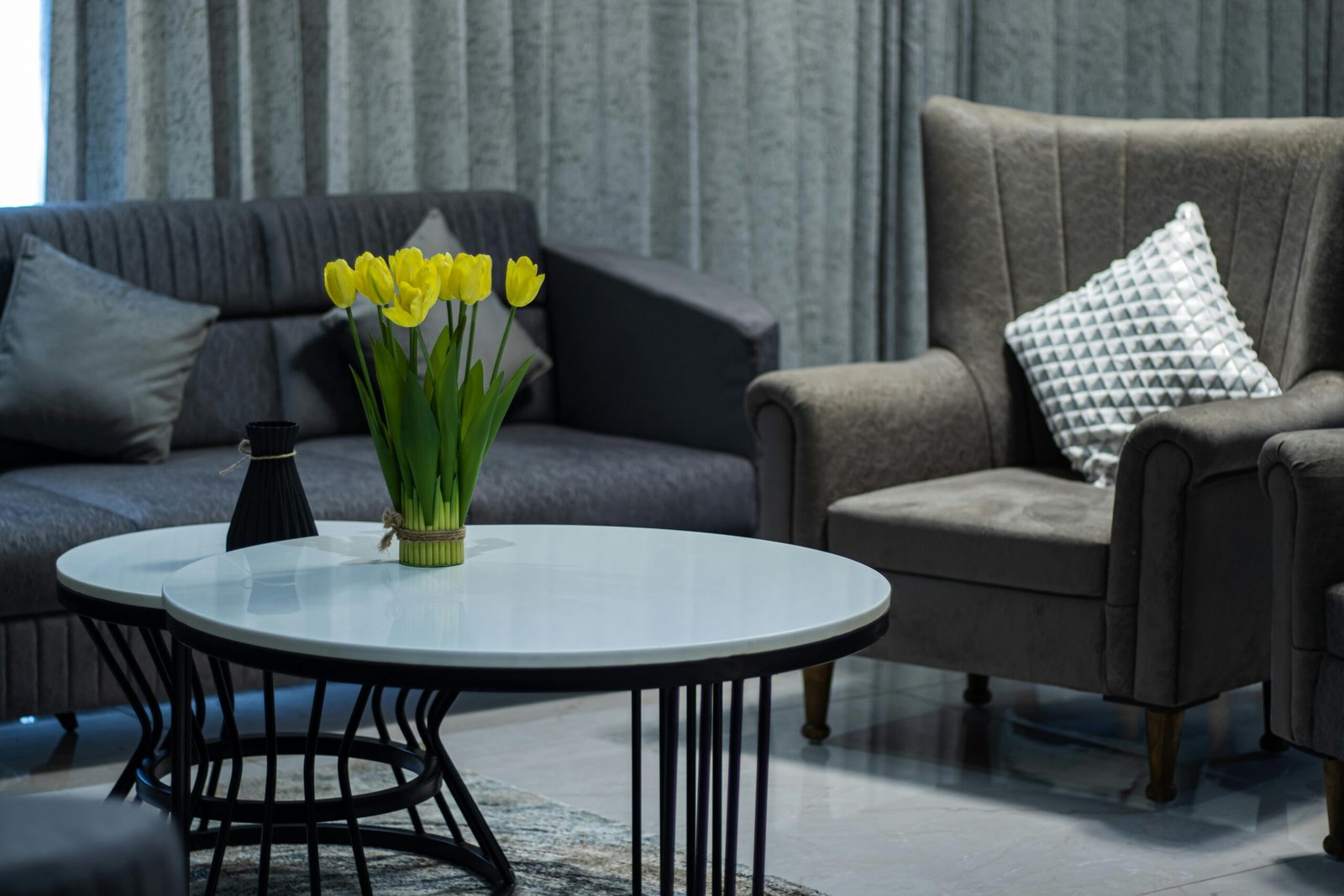
Minimalist decor gets a bad reputation. A lot of people picture blank white rooms, hard edges, empty shelves, and furniture that looks beautiful but feels uncomfortable. And honestly? Some minimalist spaces do feel cold—especially when minimalism is treated like “remove everything” instead of “create calm.”
That’s where warm minimalism comes in.
Warm minimalism is the version of minimalism that works in real homes. It keeps the clarity and simplicity of minimalist design but adds softness, texture, warmth, and personality—without clutter. It’s not about living with nothing. It’s about living with less that matters more.
In this guide, you’ll learn exactly how to create a minimalist home that still feels welcoming, cozy, and human. You’ll learn the essential principles, how to build a warm minimalist palette, which textures make the biggest difference, how to style without clutter, and how to apply warm minimalism in each room of your home.
What warm minimalism actually is (and what it’s not)
Warm minimalism is:
- calm, uncluttered spaces
- a tight color palette (usually soft neutrals)
- layered textures (linen, wool, wood, ceramics)
- intentional furniture with comfortable shapes
- natural materials and warm lighting
- personality through a few meaningful details
Warm minimalism is not:
- empty rooms with no comfort
- everything white and sterile
- removing all personal items
- perfection that’s impossible to maintain
- “minimalism as a trend” with no real-life function
The goal is peace—not emptiness.
Why minimalism often feels cold (the 5 common reasons)
If you’ve ever tried minimal decor and felt like your home got colder, one of these is usually the cause.
1) Too many hard surfaces
Minimal spaces often have lots of smooth, hard planes:
- tile, stone, glass, metal
- clean-lined furniture
- bare floors
Without soft layers, the room loses warmth.
2) Cool undertones everywhere
Cool whites, cool grays, and cool lighting can make minimal rooms feel icy.
3) Not enough texture
Minimalism without texture looks flat. Flat can read as sterile.
4) No layered lighting
One overhead light makes any room feel harsh, especially minimalist rooms.
5) No “human details”
A room can be minimalist and still include:
- a few books you actually love
- meaningful art
- a cozy throw
- a plant
Without these, the room can feel like a showroom.
Warm minimalism fixes these problems by keeping simplicity but adding warmth intentionally.
Step 1: Choose your warm minimalist foundation palette
Warm minimalism usually starts with a soft neutral base. The difference is in undertones and materials.
A warm minimalist palette often includes
- warm white or creamy off-white
- light greige (warm gray-beige)
- soft beige or sand tones
- warm wood tones (light or medium)
- black accents used sparingly (for definition)
What to avoid if you want warmth
- overly cool, blue-toned grays everywhere
- icy bright white in rooms with low light
- harsh contrast without soft texture
Easy warm minimalist palette examples
- warm white + light wood + black accents + linen textures
- soft greige + beige + oak tones + matte ceramics
- cream + olive accents (very minimal) + warm wood + soft lighting
You can absolutely add color in warm minimalism—just keep it muted and controlled.
Step 2: Use texture to replace “decor clutter”
Minimalist homes still need visual depth. The trick is to add depth through surfaces, not lots of objects.
Warm minimalist textures:
- linen curtains (soft and airy)
- wool or woven rugs (gentle variation)
- knit throws (cozy without busy color)
- bouclé or textured upholstery (soft and modern)
- matte ceramics (calm, not shiny)
- natural wood grain (warm and grounding)
The warm minimal rule
If you remove decorative clutter, you must replace that “interest” with texture, lighting, and quality materials.
A neutral room with texture looks rich. A neutral room with no texture looks cold.
Step 3: Make lighting your “warmth layer”
Lighting is what turns minimal into cozy.
A warm minimalist home usually has:
- layered lamps (not only ceiling light)
- soft glow at eye level
- warm, gentle lighting in the evening
The warm minimalist lighting plan (simple)
- one table lamp in the living room
- one floor lamp in a corner or by seating
- bedside lamps in the bedroom (two if possible)
- a small lamp in the entryway (optional but powerful)
Why this matters
Minimal rooms rely on atmosphere. Soft light creates atmosphere instantly.
Step 4: Focus on fewer pieces—then choose better shapes
Minimalism isn’t about buying nothing. It’s about not overfilling the space. That means your furniture choices matter more.
Warm minimal furniture tends to be:
- simple silhouettes
- comfortable shapes (not sharp and stiff)
- neutral or natural materials
- pieces with some softness (rounded corners, textured fabric)
What often makes minimal rooms feel cold
- everything is straight lines, sharp edges, and shiny finishes
You can keep the clean look while still choosing furniture that feels soft and welcoming.
Step 5: Keep negative space—but not emptiness
Minimalism uses “negative space” (empty space) intentionally. That’s what makes it feel calm.
But negative space isn’t the same as emptiness.
A warm minimalist room still has:
- a clear focal point (art, plant, statement lamp)
- enough furniture for comfort
- enough texture to feel complete
A helpful mindset
Leave space where you want calm, not space where you forgot to finish.
That means you still create a plan for each wall and surface—you just don’t fill everything.
Step 6: Style surfaces with intention (and keep them easy to maintain)
Warm minimalism is about calm surfaces. That doesn’t mean bare surfaces. It means controlled styling.
The “one tray + one object” method
For many surfaces (coffee table, console, dresser):
- use a tray to contain essentials
- add one simple object (plant, candle, ceramic vase)
- leave breathing room
This looks styled but stays practical.
The mistake to avoid
Lots of tiny decor scattered across a surface. That creates visual noise and ruins the minimalist calm.
Step 7: Add personality without clutter (the warm minimalist way)
A minimalist home should still feel like you. The difference is that personal items are curated.
Warm minimalist personality can come from:
- one meaningful art piece (instead of many random frames)
- a few favorite books (styled intentionally)
- one travel object that matters
- family photos in one cohesive frame style (in one zone, not everywhere)
- natural elements (plants, wood, stone-like materials)
The rule
Keep personal items meaningful and grouped. Grouping makes them look intentional and avoids “randomness.”
Step 8: Warm minimalism room by room
Let’s apply this in a very practical way.
Living room: warm, calm, and inviting
A warm minimalist living room needs:
- one good anchor (sofa)
- one rug with texture
- layered lighting (lamps)
- one focal art piece or mirror
- hidden storage to keep surfaces clean
The warm minimalist living room formula
- Neutral sofa (simple shape, comfortable)
- Textured rug (subtle pattern or weave)
- Linen curtains (soft vertical texture)
- One floor lamp + one table lamp
- One large art piece (or a mirror)
- Coffee table styling: tray + one object + space
This setup feels designed but calm.
Bedroom: quiet luxury and rest
Bedrooms should feel especially soft.
Warm minimalist bedroom priorities
- layered bedding (not many colors, more texture)
- warm bedside lighting (lamps)
- minimal wall art with calm tones
- clear surfaces (nightstands kept simple)
Easy warm minimalist bedding palette
- white or cream base
- one textured throw
- one accent pillow max (optional)
- natural linen look for softness
A bedroom doesn’t need many decorative objects. It needs comfort and calm.
Kitchen: minimal, functional, warm
Warm minimal kitchens look best when counters are mostly clear.
Warm minimalist kitchen strategies
- contain daily items on a tray (soap zone, coffee zone)
- store rarely used appliances
- use consistent containers (matte, glass, neutral)
- add one natural element (wood board, fruit bowl, plant)
The kitchen becomes “minimal” when function is cleanly organized.
Bathroom: spa minimalism
Bathrooms are perfect for warm minimalism because spa design is naturally minimalist.
Warm minimalist bathroom upgrades
- coordinated towels in neutral tones
- a clean sink zone (matching soap dispenser)
- a wood or stone-like tray
- one small plant (if light allows)
- hidden storage for toiletries
The spa feel comes from clear surfaces and soft textiles.
Entryway: calm first impression
Entryways need systems more than decor.
Warm minimalist entryway essentials:
- tray for keys
- hook or closet zone for coats/bags
- shoe containment (rack or basket)
- mirror for light and function
- warm lamp (optional but a huge upgrade)
Keep it simple. Entryways clutter easily, so minimalism is a gift here.
Step 9: The “warm minimalist edit” (how to declutter without feeling deprived)
A lot of people fear minimalism because it feels like losing personality. Warm minimalism solves that by focusing on what’s meaningful and functional.
A practical editing method
- Remove what you don’t use, don’t love, or don’t need.
- Keep the pieces that support your daily life and make you feel good.
- Store the rest out of sight if you’re not ready to let go.
- Style what remains intentionally with space around it.
This approach feels supportive, not strict.
The “container boundary” trick
If you love objects, give them boundaries:
- one shelf
- one tray
- one cabinet area
When the boundary is full, you don’t add more.
It keeps the home minimal without feeling empty.
Step 10: Warm minimalism mistakes (and how to avoid them)
Mistake 1: Choosing cool whites and cool lighting
Fix: choose warmer neutrals and use warmer, softer lighting.
Mistake 2: Removing decor but not adding texture
Fix: add a textured rug, linen curtains, and cozy textiles.
Mistake 3: Minimalism without storage systems
Fix: add closed storage so daily life stays hidden and surfaces stay calm.
Mistake 4: Making everything match too perfectly
Fix: allow natural variation in materials (wood grain, ceramics, textiles). That’s where warmth comes from.
Mistake 5: Decorating too sparsely without a plan
Fix: create a focal point for each room (art, mirror, plant, lamp) so the space feels finished, not empty.
A simple warm minimalist “upgrade plan” you can do this week
If you want warm minimalism fast, try this:
- Clear one main surface (coffee table, console, dresser).
- Contain essentials in a tray and remove random items.
- Add one texture upgrade: throw blanket or rug.
- Add one warm light source (table lamp).
- Add one natural element (wood tray or plant).
- Tighten the palette: remove mismatched, overly colorful small decor.
These steps create the warm minimalist vibe without a full makeover.
The real secret: warm minimalism is about calm, not emptiness
A warm minimalist home is peaceful because it’s intentional. It’s not a blank room—it’s a room where everything has a reason to exist. The warmth comes from texture, natural materials, soft lighting, and a few meaningful details. The minimalism comes from editing, systems, and leaving breathing space.
If you want the simplest formula to remember:
- Less clutter
- More texture
- Warmer light
- Meaningful details
- Clear surfaces
That’s warm minimalism for real homes—beautiful, livable, and calming.

Isabella Garcia is the creator of a blog dedicated to crafts and home care, focused on making everyday life more creative, organized, and enjoyable. The blog shares practical tips, easy DIY projects, home organization ideas, and simple solutions to take better care of your living space. Whether you’re a beginner in crafting or someone looking for inspiration to improve your home routine, Isabella’s blog offers clear, useful, and hands-on content to help you create a cozy, beautiful, and well-cared-for home.