
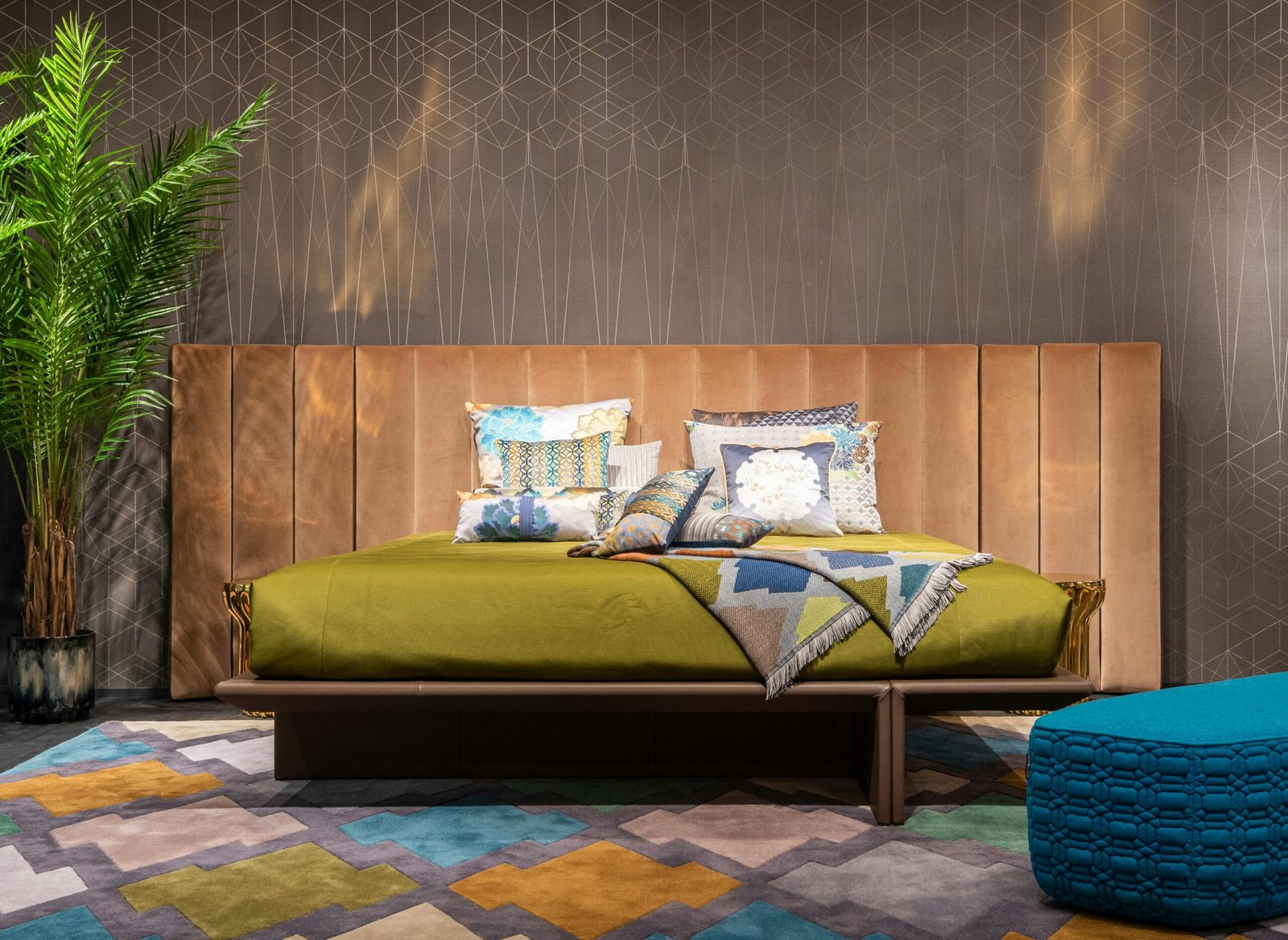
Mixing decor styles is one of the fastest ways to make a home feel personal and “collected”—like it evolved over time instead of being bought in one weekend. But it’s also one of the easiest ways to make a room look messy. When styles mix without a plan, the space can feel confusing: too many vibes, too many shapes, too many finishes, and no clear visual story.
The solution isn’t to stop mixing styles. The solution is to mix with intention.
This guide will show you how to blend modern, classic, and cozy elements in a way that feels cohesive and elevated. You’ll learn the design “rules” that keep mixed-style rooms calm, how to build a bridge between different aesthetics, how to choose colors and finishes that unify everything, and how to avoid the common mistakes that make eclectic decor look like clutter.
Why mixed-style homes often look better (when done right)
A well-mixed home feels:
- more personal (less like a showroom)
- richer (more layers and character)
- timeless (less trend-dependent)
- warmer (because it blends structure with softness)
Modern decor can feel clean but cold if it’s too strict. Classic decor can feel elegant but heavy if it’s too traditional. Cozy decor can feel inviting but cluttered if it’s too busy. When you blend the best parts of each, you get a home that feels both stylish and livable.
Step 1: Pick your “base style” (the anchor)
Even in a mixed home, one style should lead. This is the anchor that keeps everything from feeling random.
Choose your base style by asking:
- What do I want the room to feel like most of the time?
- Which style do I naturally prefer in big pieces?
- What style matches my home’s architecture the best?
Common base styles (with mixing examples)
Modern base + classic accents + cozy textures
- clean lines for furniture
- classic art frames or vintage mirror
- cozy layers like linen curtains, textured rugs
Classic base + modern accents + cozy warmth
- traditional sofa shape or classic wood furniture
- modern lighting or minimal art
- cozy fabrics and warm neutrals
Cozy base + modern structure + classic detail
- warm, soft textiles and comfortable seating
- modern black accents and clean silhouettes
- classic decorative pieces like a framed print or antique-style mirror
Your base style should show up most strongly in your largest, most visible pieces: sofa, bed, major furniture, rug direction.
Step 2: Use the “80/20 rule” for style mixing
A simple rule that prevents chaos:
- 80% of the room should follow your base style
- 20% can be contrasting style elements
If you try to do 33/33/33 (equal parts modern, classic, cozy), the room often feels confused. If one style leads, the other styles become accents that add interest.
What counts as “20% accents”?
- a classic vintage mirror in a modern room
- modern lighting in a traditional room
- cozy textiles layered into a minimalist space
Small doses create contrast without conflict.
Step 3: Build a “bridge” between styles (the secret to cohesion)
The reason mixed rooms look messy is usually because the styles are sitting next to each other with no connection.
A “bridge” is an element that shares qualities with both styles, making the transition feel natural.
Examples of design bridges
Bridge between modern and classic
- a modern sofa in a classic neutral fabric
- a classic shape in a modern finish (like a traditional lamp in matte black)
- simple molding with modern art
Bridge between modern and cozy
- clean-lined furniture with textured upholstery (bouclé, linen)
- modern shapes in warm colors
- minimal decor with warm wood and soft lighting
Bridge between classic and cozy
- classic furniture softened with linen curtains and textured throws
- warm wood tones and traditional patterns in subtle, muted versions
Bridges keep the room from looking like two different homes collided.
Step 4: Keep the color palette tight (the easiest way to unify styles)
Color is the fastest way to make mixed decor look intentional.
When the palette is cohesive, you can mix styles more freely because the colors create harmony.
A simple mixed-style palette formula
- a base neutral (warm white, cream, soft greige)
- one secondary color (olive, navy, charcoal, terracotta)
- one accent (black or brass is common)
- repeat wood tones in a consistent direction
This palette approach works across modern, classic, and cozy homes because it’s structured but flexible.
Why neutral bases help mixing
Neutrals create a calm foundation that allows different shapes and eras to coexist. You can mix a modern sofa with a vintage side table if the palette ties them together.
Step 5: Repeat finishes (so it looks designed)
Mixed-style rooms often go wrong because the finishes are random.
Choose:
- one main metal finish (black, brass, or nickel)
- one main wood tone direction (light, medium, or dark)
- and repeat them across the room
Repeat signals like:
- black in frames + lamp base + curtain rod
- brass in mirror frame + table lamp + cabinet hardware
- wood tone echoed in a coffee table + picture frames + basket tones
Repetition is what makes the room feel intentional—even when styles differ.
Step 6: Mix shapes intentionally (clean + ornate + soft)
Modern style often has clean, simple lines. Classic style may have curved or detailed lines. Cozy style often includes softer shapes, textiles, and warm layers.
A designer mix often balances:
- clean lines (modern)
- one or two detailed pieces (classic)
- soft layers (cozy)
Example in a living room
- Modern sofa with straight lines
- Classic vintage mirror or traditional side table
- Cozy rug and textured pillows
If everything is ornate, it feels heavy. If everything is sleek, it feels cold. If everything is soft and layered, it can feel messy. Balance is the key.
Step 7: Use “statement pieces” instead of lots of mixed small items
Mixed-style rooms look best when you mix through a few strong statements, not dozens of tiny conflicting objects.
Better approach
- one vintage classic piece (mirror, chair, side table)
- one modern piece (lighting, coffee table)
- cozy layers (rug, curtains, throw)
What to avoid
- many small mixed items everywhere
- random decorative objects from different styles that don’t repeat a palette
- clutter disguised as “eclectic”
Eclectic looks expensive when it’s edited.
Step 8: Let one category be modern, one be classic, one be cozy
If you want a simple system, assign “style roles” to categories.
For example:
- Furniture silhouettes: modern
- Accessories and art: classic
- Textiles: cozy
Or:
- Furniture: classic
- Lighting: modern
- Textiles: cozy
This keeps mixing organized. The room gets variety, but it still has structure.
Step 9: Modern + classic + cozy living room formula
Here’s a practical formula you can copy:
- Modern base: clean sofa shape in neutral tone
- Classic accent: one vintage mirror or framed art in traditional frames
- Cozy layer: textured rug + linen curtains + knit throw
- Repeat finishes: black or brass repeated in hardware/frames/lighting
- One plant: adds organic softness and ties styles together
- Edit decor: fewer items, bigger impact, grouped on a tray
This creates a room that feels stylish and livable.
Step 10: Modern + classic + cozy bedroom formula
Bedrooms should feel restful, so keep mixing subtle.
- Cozy base: layered bedding in calm tones
- Modern structure: simple nightstands or clean-lined lamps
- Classic detail: framed art, vintage-style mirror, or traditional rug pattern (muted)
- Soft lighting: bedside lamps with warm glow
- Repeat materials: consistent metals and wood tones
The key is calm. Bedrooms don’t need too many statement contrasts.
Step 11: Modern + classic + cozy dining room formula
Dining rooms can handle a bit more drama and contrast.
- Classic anchor: dining table in a warm wood tone or classic shape
- Modern statement: pendant light with clean lines
- Cozy softness: rug under the table (if practical) and warm lighting
- Classic accessories: mirror or art above a sideboard
- Repeat finishes: match metals and keep the palette tight
Dining rooms often look “expensive” when classic furniture meets modern lighting.
Step 12: How to mix vintage pieces without making the room feel old
Vintage and classic elements add character, but they can make a room feel dated if everything leans traditional.
How to keep vintage feeling fresh
- pair vintage with modern pieces
- keep vintage items as one or two strong accents
- choose modern, simple textiles around them
- use a tight palette and clean styling
Example:
A vintage ornate mirror looks stunning above a modern console, especially when the decor on the console is minimal and the palette is calm.
Step 13: Common mixing mistakes (and how to fix them)
Mistake 1: No base style
Fix: choose one leading style and make it dominant in large pieces.
Mistake 2: Too many finishes
Fix: pick one main metal finish and one wood direction, then repeat them.
Mistake 3: Too many small decor objects
Fix: edit down and use fewer, larger statement pieces.
Mistake 4: Mixing styles in every single item
Fix: assign style roles to categories (furniture modern, accessories classic, textiles cozy).
Mistake 5: Contrasts without bridges
Fix: add a bridge piece—like a modern shape in a classic material or a classic shape in a modern finish.
Mistake 6: Patterns everywhere
Fix: limit patterns and rely on texture and solids for coziness.
Step 14: The “edit and unify” checklist for a mixed-style room
If a room feels messy, run this checklist:
- Does one style lead clearly?
- Is the palette consistent?
- Are metal finishes repeated?
- Are wood tones generally cohesive?
- Is there enough negative space (breathing room)?
- Are objects grouped instead of scattered?
- Do you have 1–2 statement pieces instead of many small mixed items?
- Does the room have soft layers (rug, curtains, lighting)?
Most mixed-style rooms improve dramatically by tightening palette and removing extra items.
A simple mixing plan you can apply today
If you want a straightforward plan:
- Choose your base style (modern, classic, or cozy).
- Choose one secondary style for accents.
- Set a tight palette (base neutral + secondary + one accent finish).
- Repeat finishes (one metal, one wood direction).
- Add 1–2 statement pieces from the secondary style.
- Add cozy layers through textiles and lighting.
- Edit decor down so the room has breathing room.
That’s it. Mixing becomes easy when it has structure.
The real secret: the best mixed-style homes are edited, not crowded
Mixing modern, classic, and cozy isn’t about having “a bit of everything.” It’s about choosing which elements lead, repeating materials and colors, and using bridges to connect different shapes and eras. When the room is edited, the contrasts feel intentional. When the palette is cohesive, the mix looks natural. When lighting and textiles add warmth, the room feels livable.
If you remember only three things:
- pick a base style,
- tighten your palette and finishes,
- and use fewer statement pieces instead of lots of small mixed items.
That’s how mixed decor becomes stylish—not messy.

Isabella Garcia is the creator of a blog dedicated to crafts and home care, focused on making everyday life more creative, organized, and enjoyable. The blog shares practical tips, easy DIY projects, home organization ideas, and simple solutions to take better care of your living space. Whether you’re a beginner in crafting or someone looking for inspiration to improve your home routine, Isabella’s blog offers clear, useful, and hands-on content to help you create a cozy, beautiful, and well-cared-for home.