
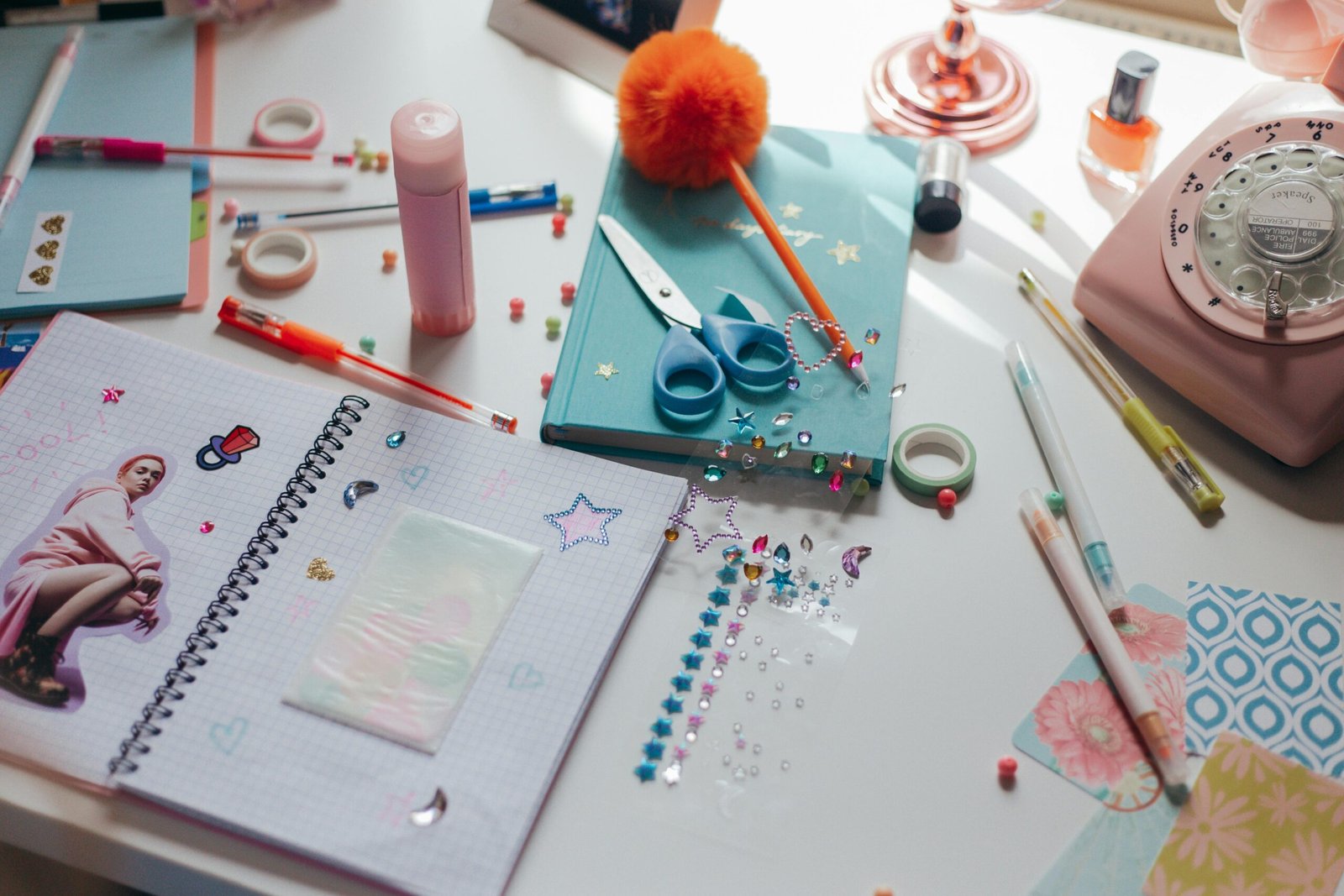
Starting scrapbooking is exciting, but sometimes full 12×12 layouts feel like a lot—especially when you’re short on time, working with a small space, or still building confidence. That’s where beginner-friendly projects come in.
Quick projects help you build skills without overwhelm. They also keep motivation high because you get the best reward fast: a finished piece you can hold, flip through, gift, or display. And here’s an important truth many scrapbookers learn over time: finishing small projects consistently often leads to finishing big albums later.
In this article, you’ll discover simple scrapbooking projects that are perfect for beginners, including mini albums, memory cards, photo flips, pocket projects, and “one-sitting” creative wins. Each project includes practical tips on supplies, structure, and how to avoid common mistakes—so you can complete more projects with less stress and more joy.
Why beginner projects are powerful
Small projects do more than save time. They help you develop core scrapbooking skills:
- photo selection and storytelling
- basic design balance and spacing
- matting and layering
- titles and captions
- journaling in small formats
- using scraps efficiently
- building “muscle memory” for layouts
They also make it easier to scrapbook everyday moments, not just big events. A mini project can capture a feeling, a weekend, a small tradition, or a personal milestone in a way that’s quick—but still meaningful.
Beginner Project #1: The One-Page Mini Layout (8.5×11)
If 12×12 feels intimidating, shrink the canvas. An 8.5×11 layout still feels like a “real scrapbook page,” but it’s easier to complete and store.
What you need
- 8.5×11 cardstock (or printer paper + backing)
- 1–2 photos
- 1 patterned paper
- adhesive
- journaling pen
- optional stickers or labels
Simple structure
- photo cluster on one side
- journaling block on the other
- title above or below
Why it works
This layout builds confidence because it’s simple, organized, and quick. It also teaches you how to balance photos and journaling without clutter.
Quick win tip
Use one neutral cardstock base and one patterned paper panel. The less you juggle, the faster you finish.
Beginner Project #2: The 4×6 “Memory Card” Series
This is one of the best beginner projects of all time because it’s low pressure and very repeatable. You create single 4×6 cards that combine a photo and journaling. Later, you can store them in a box, binder sleeves, or pocket pages.
What you need
- 4×6 cards or cut cardstock
- 1 small photo (2×3 or 3×4)
- pen
- small sticker or label (optional)
Ideas for memory card themes
- “Today I felt…”
- “This week’s highlight”
- “A small win”
- “A funny moment”
- “A moment I want to remember”
- “Favorite thing right now”
Why it works
You build a habit of journaling and preserving life without needing a full layout. These cards are perfect for busy weeks.
Pro tip
Make five cards at once. Assembly-line crafting saves time: cut all cards, add photos, then journal.
Beginner Project #3: A Simple Mini Album Using One Paper Pad
Mini albums are perfect for beginners because they’re small, giftable, and emotionally powerful. You can make one for a weekend trip, a birthday, or a friendship memory book.
What you need
- one 6×6 paper pad (or scraps)
- 6–12 photos (small prints work best)
- glue or tape runner
- a stapler or mini rings
- pen
- optional ribbon
Easy mini album structures
- Stapled spine book
- Fold pages in half and staple the spine.
- Very simple, very fast.
- Ring-bound mini
- Punch holes and use binder rings.
- Great for adding/removing pages.
- Accordion fold
- One long strip folded back and forth.
- Perfect for storytelling timelines.
Beginner-friendly mini album prompt
Make a mini titled:
“10 Things I Loved About This Day”
Use one photo per page and one sentence per photo.
Quick win tip
Limit each page to:
- 1 photo
- 1 short caption
- 1 small decoration
Mini albums get messy when you try to do too much on tiny pages.
Beginner Project #4: The Pocket Page Project (No Full Layout Needed)
Pocket pages are amazing because the structure is built in. You place photos and cards into pockets, and the page looks organized instantly.
What you need
- pocket page protectors (3×4 and 4×6 pockets)
- photos printed to fit
- journaling cards (you can make your own with cardstock)
- pen
- optional stickers
How to make it feel cohesive
Choose:
- one neutral color
- one accent color
- one consistent journaling pen
Journaling card ideas
- “Best moment”
- “What made me laugh”
- “Grateful for”
- “Currently”
- “Today”
- “Notes”
Why it works
Pocket pages are a fast way to capture everyday life and avoid the stress of designing a full page from scratch.
Bonus tip
If you’re nervous about journaling, write just one line per card. Short is still powerful.
Beginner Project #5: The “Flip Flap” Photo Story Page
This project is perfect for events with multiple photos, but you still want a clean page.
A flip flap is a photo attached on a hinge so it opens like a door, revealing hidden journaling or extra photos underneath.
What you need
- cardstock base
- 2–6 photos
- tape runner
- strong adhesive for hinge (washi or sturdy tape)
- journaling pen
How to structure it
- top photo is the “cover”
- inside flap contains journaling and additional photos
Why it works
You can include more content without making the page crowded. It also adds a fun interactive experience.
Quick win tip
Make the hinge with washi tape, then cover it with a strip of cardstock for a clean finish.
Beginner Project #6: Scrapbooking Cards (Memory + Gift in One)
Scrapbooking cards are a brilliant beginner project because they’re small, fast, and meaningful. They also help you practice composition and layering.
What you need
- blank card base (or folded cardstock)
- small photo or decorative focal element
- patterned paper scraps
- pen
- optional stickers
Card ideas
- “Thank you for being you”
- “Remember this day?”
- “A little note”
- “You did it”
- “Thinking of you”
- “So proud of you”
Why it works
Cards teach you to design in a small space and keep focus clear. Plus, they make wonderful gifts.
Pro tip
If you include a photo, keep journaling inside the card so the front stays clean.
Beginner Project #7: The “Scrap Strip” Background Layout
If you have scraps (and you will), this project helps you use them intentionally. It’s also extremely beginner-friendly because it creates a built-in design.
What you need
- cardstock base
- paper scraps cut into strips
- one photo
- adhesive
- title letters or pen
How to build it
- create 5–8 strips across the page (vertical or horizontal)
- keep strips in similar color family
- place photo cluster over the strips
- add a title and minimal embellishments
Why it works
It uses leftovers, looks polished, and reduces waste.
Quick win tip
Use one neutral strip among the patterns to calm the design.
Beginner Project #8: A “Year in Small Moments” Mini Box
This isn’t a traditional album—it’s a memory system that grows over time. You create small memory cards and store them in a box. At the end of the year, you have a full memory collection.
What you need
- a small box
- 4×6 cards or cardstock
- printed photos (optional)
- pens
- small labels/stickers (optional)
What to write
- date
- one highlight
- one thing you learned
- one feeling
Why it works
It’s scrapbook-friendly for beginners because it requires almost no setup. It’s also easy to maintain weekly.
Pro tip
If you don’t have photos, write the story anyway. Later you can add photos if you want.
Beginner Project #9: The “One Photo, Many Words” Page
This is a powerful storytelling project that trains journaling skills. Choose one photo and write more than usual—like a mini essay, list, or letter.
What you need
- one photo
- cardstock
- pen or printed journaling
- a title
Journaling formats that work great here
- letter to your future self
- list of 10 details you don’t want to forget
- “what I learned” reflections
- “why this mattered” paragraph
Why it works
It teaches you that scrapbooking isn’t about filling space with stickers—it’s about preserving meaning.
Beginner Project #10: The “Photo + Ticket + Story” Memory Page
If you have memorabilia like tickets, receipts, tags, or small notes, this project is perfect.
What you need
- one photo
- one memorabilia item (ticket, tag, brochure piece)
- journaling
- simple papers
How to make it look clean
- mat the memorabilia like you would a photo
- keep background neutral
- journal in a block
Why it works
It turns small real-life objects into storytelling pieces. These pages become incredibly nostalgic later.
How to choose the best beginner project for you
If you’re unsure what to do next, match the project to your current situation.
If you have little time:
- memory cards
- pocket pages
- simple 8.5×11 layouts
If you have lots of photos:
- flip flaps
- pocket pages
- mini album
If you want to practice design:
- scrap strip background
- one-page layout
- cards
If you want emotional storytelling:
- one photo, many words
- letter journaling mini album
- memory box
A beginner completion system (so you actually finish)
Many beginners start projects but don’t finish because they keep changing direction. Use this system to finish consistently.
- Choose a project type for the week
- Choose photos first
- Pull a limited paper palette (1 neutral + 2 colors)
- Set a time limit (30–60 minutes)
- Finish the project before starting a new one
- Celebrate completion, not perfection
Finishing builds confidence, and confidence builds skill.
What makes a beginner project “high value”
A project has high value when it captures:
- names
- dates
- feelings
- details you’d forget later
So even if your supplies are simple, your scrapbook becomes priceless because it preserves real life.
When you’re a beginner, prioritize:
- journaling clarity
- photo focus
- clean structure
- consistent color
Those create beautiful results without requiring expensive tools.
Final thoughts: small projects lead to big scrapbooking success
If you want to become confident in scrapbooking, don’t force yourself to start with complex layouts. Start with quick wins. Mini albums, memory cards, pocket pages, and simple photo stories build your skills one project at a time.
A scrapbook life isn’t built in one afternoon. It’s built by showing up regularly—capturing moments as they happen, and honoring them with creativity.
Isabella Garcia is the creator of a blog dedicated to crafts and home care, focused on making everyday life more creative, organized, and enjoyable. The blog shares practical tips, easy DIY projects, home organization ideas, and simple solutions to take better care of your living space. Whether you’re a beginner in crafting or someone looking for inspiration to improve your home routine, Isabella’s blog offers clear, useful, and hands-on content to help you create a cozy, beautiful, and well-cared-for home.