
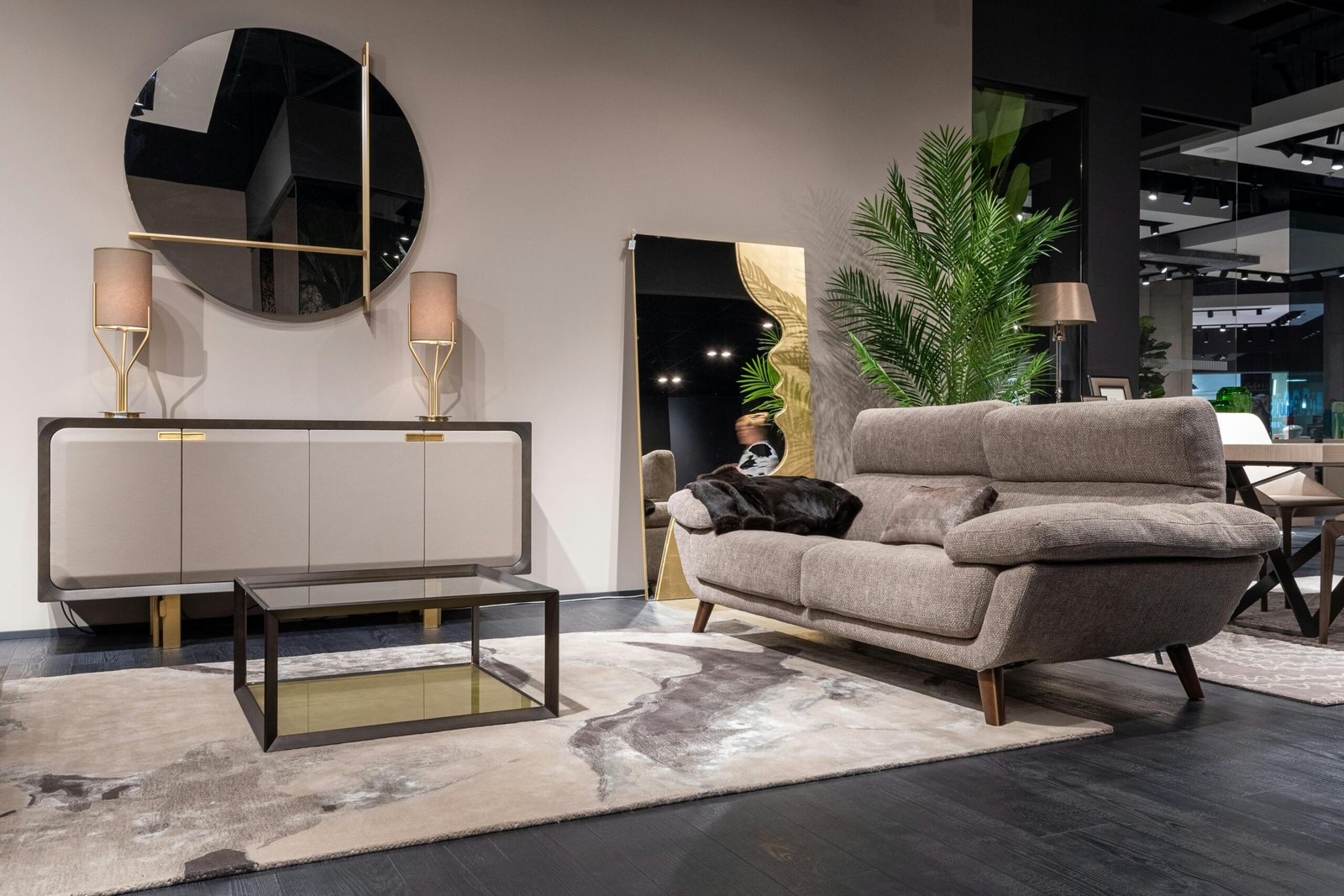
You don’t need a remodel to make your home feel more elevated. In most real homes, the difference between “nice” and “wow” isn’t expensive furniture or a perfect floor plan—it’s the details. The small decisions. The consistent finishes. The lighting choices. The way objects are grouped instead of scattered. The way fabric hangs. The way clutter is hidden. These things don’t require demolition or huge budgets, but they create that polished, intentional look people associate with high-end homes.
This article is a practical guide to the details that truly move the needle. No fluff, no “just buy everything new.” You’ll learn upgrades you can apply in a weekend, often with what you already have, plus a few strategic purchases that give maximum impact.
First: what makes a home look “expensive” anyway?
When a home looks expensive, it usually has these qualities:
- A clear visual plan (consistent palette and finishes)
- Strong proportions (correct rug and curtain scale)
- Layered lighting (soft, warm, multiple sources)
- Fewer items on display (less clutter, more intention)
- High-quality texture (linen, wool, wood, matte ceramics)
- Thoughtful styling (objects grouped and contained)
- Clean lines and calm transitions between rooms
You don’t need to do all of this at once. But if you improve even a few areas, the whole home will start to feel more elevated.
1) Upgrade your lighting before anything else
Lighting is one of the fastest ways to make a space feel higher-end. A beautiful home with harsh overhead lighting can still feel cheap. A modest home with warm, layered lighting can feel instantly upgraded.
The “expensive lighting” formula
Use at least two light sources in your main room, ideally three:
- a floor lamp near seating
- a table lamp on a side table or console
- optional: a small accent light on a shelf or buffet
Why this works:
Multiple light sources create depth and mood. They also make the room feel intentional and “lived-in” in a good way.
Small details that matter
- Choose warm bulbs for cozy spaces (living rooms, bedrooms)
- Use lampshades that diffuse light softly
- Avoid one single harsh ceiling bulb for the whole room vibe
If you want one upgrade that feels immediate at night, this is it.
2) Hang curtains the right way (high and wide)
Curtains are a classic “cheap vs. expensive” detail. Even nice curtains can look wrong if they’re hung too low, too narrow, or too short.
The high-end curtain rule
- Hang the rod closer to the ceiling (not right above the window frame)
- Extend the rod wider than the window so curtains can stack back without blocking light
- Use enough fabric so curtains don’t look flat
This makes the window look bigger and the ceiling look taller—two things that instantly elevate a room.
3) Choose the correct rug size (a small rug screams “unfinished”)
Undersized rugs are one of the most common mistakes in home decor, and they instantly make a room feel less polished.
The simple fix
In a living room, at least the front legs of the sofa and chairs should sit on the rug. The rug should connect the seating zone, not sit alone in the center of the floor.
In bedrooms, a rug under the bed that extends beyond the sides and foot adds softness and scale.
Correct rug scale makes the room look like it was planned.
4) Repeat finishes for cohesion (this is designer-level polish)
High-end homes rarely mix random metals and wood tones without intention. They repeat finishes.
Pick:
- one main metal finish (black, brass, or nickel)
- one main wood tone direction (light, medium, or dark)
Then repeat them:
- if your lamp has black metal, repeat black in frames or hardware
- if your mirror frame is brass, repeat brass in lighting or decor accents
This repetition is subtle, but it creates a cohesive “designed” feel.
5) Swap small hardware for a big visual upgrade
Hardware is one of the most affordable ways to add a higher-end feel—especially in kitchens, bathrooms, and furniture.
If you can change it, consider:
- cabinet pulls and knobs
- drawer handles
- basic hooks in entryways
Why hardware matters
It’s a detail you see and touch daily. A consistent, modern finish instantly makes the whole surface feel upgraded.
If you rent and can’t change hardware permanently, you can still improve other small metal signals—like matching frames, trays, and lighting bases.
6) Use trays to make “stuff” look intentional
One of the biggest differences between a styled home and a messy home is containment.
A tray turns:
- remotes, candles, coasters, and a small vase
into: - a styled moment
Where trays work best
- coffee tables
- consoles
- bedside tables
- bathroom counters (if kept minimal)
- kitchen counters (a small controlled zone)
Containment reduces visual chaos, which makes a home feel more expensive immediately.
7) Style in groups, not scattered items
Random small objects scattered everywhere create clutter, even if the objects are “nice.”
The designer habit
Group decor in sets:
- different heights
- similar palette
- varied textures
The easiest method:
- choose three items: tall + medium + small
- place them together (often on a tray or in a defined zone)
This creates the look of intention, not accumulation.
8) Make your art and frames feel cohesive
Art can elevate a home quickly, but mismatched small frames and random spacing can make walls look chaotic.
Simple upgrades that matter
- Choose one frame finish for a room (black, white, or wood)
- Use mats when appropriate for a clean, gallery feel
- Size art properly—small art on a big wall looks lost
A single large piece often looks more expensive than many small ones.
9) Add texture instead of more decor
A room can feel flat even when it has enough furniture. Many people try to fix “flat” by adding more objects. A better solution is often texture.
Textures that read as high-end:
- linen curtains
- wool or textured rugs
- velvet or bouclé pillows
- knit throws
- woven baskets
- matte ceramic vases
Texture adds depth and richness without clutter.
10) Reduce countertop clutter (and create a “landing zone”)
Luxury homes feel calm because daily clutter is hidden or organized.
The simplest plan
- Identify what always ends up on counters (keys, mail, chargers, remotes)
- Create one designated landing zone with a tray or bowl
- Move everything else into drawers, baskets, or closed storage
You don’t need perfection—you need a system. A home looks expensive when it looks easy to maintain.
11) Upgrade your “entry moment” (first impressions matter)
Even if your entryway is tiny, it sets the tone.
A simple elevated entry setup:
- a mirror
- a small console or shelf
- a tray for keys
- a lamp or small plant
This makes the home feel intentional the moment you walk in.
12) Use one “hero” plant instead of many tiny ones
Plants bring life, but too many small plants can look cluttered.
A more expensive look often comes from:
- one taller plant in a corner, in a nice planter
- or one medium plant on a console, styled with a tray
Upgrade planters to something that matches your palette—matte ceramic, neutral tones, or a woven basket.
13) Make your bed look “hotel-level” (without buying new furniture)
Bedrooms feel expensive when the bed looks layered and intentional.
A simple bed styling formula:
- clean, well-fitted sheets
- a duvet or comforter with structure
- two sleeping pillows + two shams (or two larger pillows)
- one throw blanket folded or draped neatly
You don’t need 12 pillows. You need a clean, layered look that feels comfortable.
14) Create symmetry in key spots (instant elegance)
Symmetry is a classic luxury signal. You don’t need a fully symmetrical home, but symmetry in a few places elevates the vibe.
Easy symmetry moments:
- two lamps on a console
- matching sconces on each side of a bed
- two chairs flanking a small table
- matching art pieces in a pair
This feels calm and classic—especially in living rooms, bedrooms, and dining rooms.
15) Use “breathing room” as a design tool
Expensive-looking homes often have fewer items on display. This doesn’t mean they’re empty—it means they’re edited.
Simple ways to add breathing room:
- leave part of the coffee table empty
- don’t fill every shelf edge-to-edge
- keep one wall calmer if the room has a busy wall
- avoid decorating every corner just because it exists
Negative space is what lets the good pieces stand out.
16) Keep your color palette tight (cohesion is luxury)
Homes feel cheaper when there are too many competing colors. A tight palette feels calm and intentional.
A simple approach:
- one base neutral
- one secondary color
- one accent
- repeated wood and metal tones
This doesn’t limit you—it gives you freedom because shopping decisions become easier.
17) Upgrade small “touch points” people notice up close
The home can look expensive even if the furniture is budget-friendly when the touch points feel intentional.
Examples:
- matching soap dispensers in kitchen/bathroom
- consistent towel colors
- coordinated hangers in closets
- a nicer doormat
- a clean set of matching storage bins or baskets
These details create a subtle “put together” feeling.
18) Fix the “cord problem” (hidden wires = instant polish)
Visible cords and power strips create visual mess quickly.
Simple fixes:
- use cable clips or cord covers
- hide power strips behind furniture
- use baskets or boxes to contain cords (especially near TV consoles)
- keep chargers in a designated drawer or charging zone
When cords disappear, the whole room looks cleaner and more expensive.
A realistic weekend upgrade plan (high impact, low stress)
If you want to see a big difference fast, do these in order:
- Clear surfaces and group essentials into trays
- Add one lamp (layer lighting)
- Hang curtains higher (or adjust if already hung)
- Fix rug placement/scale if needed
- Repeat finishes (choose black or brass accents and stick to it)
- Add one “hero” plant in a good planter
- Edit shelves: remove 30–40% and leave breathing room
You don’t need to do everything. Even 3–4 of these will noticeably elevate your home.
The real secret: expensive isn’t about price, it’s about intention
A high-end look comes from decisions that make the home feel cohesive: consistent finishes, correct scale, layered lighting, tidy surfaces, and a few strong moments instead of lots of scattered objects. When you focus on these small details, your space looks more polished without a renovation—and it becomes easier to live in because it’s calmer and more organized.

Isabella Garcia is the creator of a blog dedicated to crafts and home care, focused on making everyday life more creative, organized, and enjoyable. The blog shares practical tips, easy DIY projects, home organization ideas, and simple solutions to take better care of your living space. Whether you’re a beginner in crafting or someone looking for inspiration to improve your home routine, Isabella’s blog offers clear, useful, and hands-on content to help you create a cozy, beautiful, and well-cared-for home.