
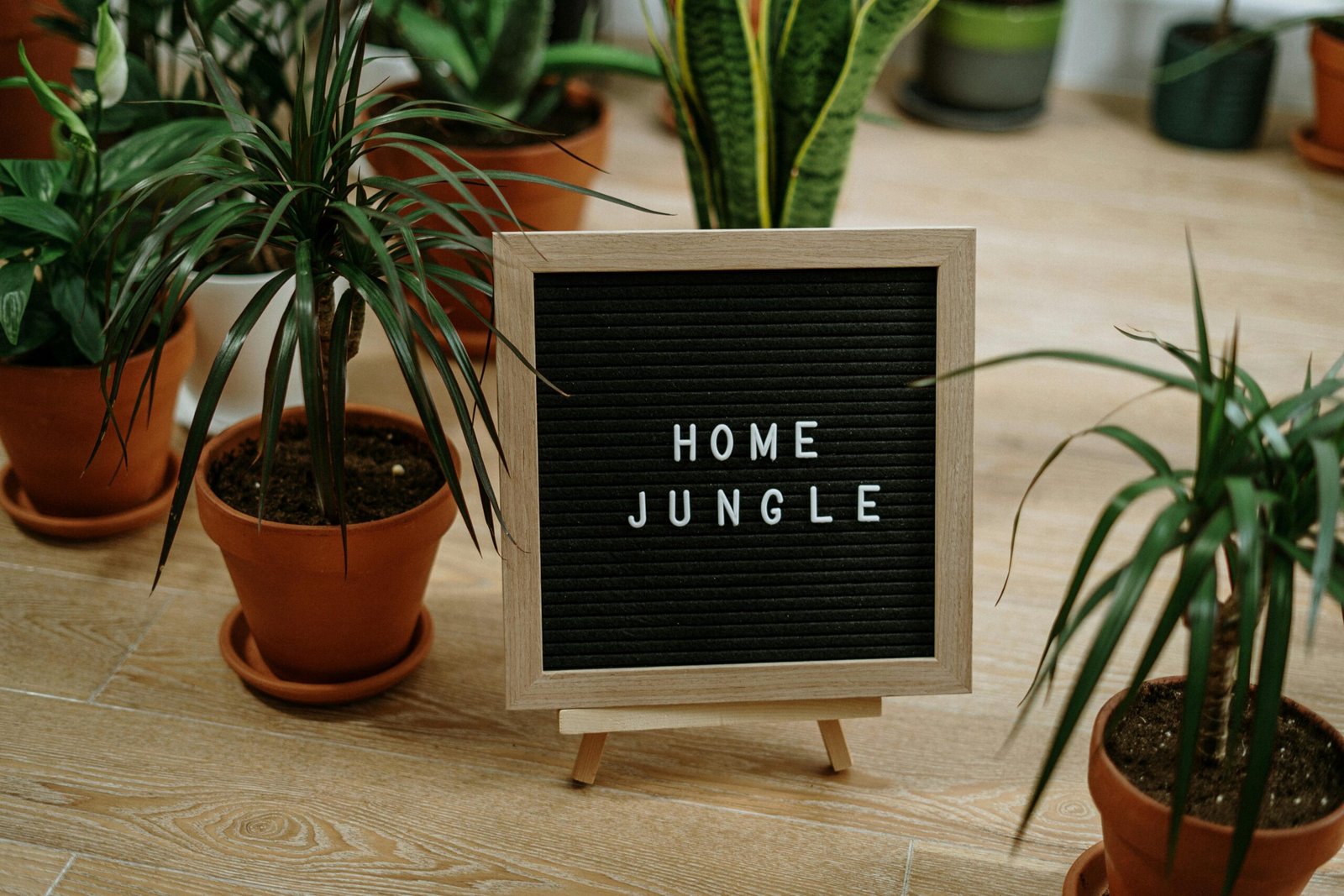
Keeping houseplants consistently green and healthy isn’t about having a “gift” for plants—or buying fancy tools. It’s about small, repeatable habits that prevent most problems before they start. When plants decline indoors, the cause is usually something simple: too much water, not enough light, poor drainage, dusty leaves, or pests that weren’t noticed early.
The best plant parents aren’t the ones who never make mistakes. They’re the ones who build routines that make mistakes less likely—and who notice changes quickly enough to correct them.
In this article, you’ll learn easy daily and weekly habits that keep your indoor plants looking vibrant year-round. These tips are beginner-friendly, realistic for busy schedules, and designed to work for a wide range of common houseplants.
The “Always Green” Myth (and What to Aim for Instead)
First, a quick reset: plants are living things, and even healthy plants occasionally drop an older leaf. Some seasonal slowdowns are normal, especially in winter. So the real goal isn’t “perfect, flawless leaves forever.” The goal is:
- steady growth (even if slow)
- strong leaf color and firmness
- minimal leaf loss beyond normal aging
- fewer pest outbreaks
- fewer watering-related issues
When you focus on these, your plants will look green and healthy most of the time—and they’ll recover faster when something goes off.
Habit 1: Do a 20-Second Visual Check Every Day
This is the simplest habit that gives the biggest payoff. You don’t need to touch soil or water every day—just look.
When you pass your plants, quickly check:
- Are leaves perky or drooping?
- Any new yellow leaves?
- Any brown tips spreading fast?
- Any fallen leaves on the surface of the soil?
- Any suspicious spots or sticky residue?
This takes seconds, but it helps you catch issues early. Most plant problems become “big problems” only because they were ignored for weeks.
A useful mindset
You’re not inspecting to find flaws—you’re learning what “normal” looks like for each plant. Once you know normal, you notice changes instantly.
Habit 2: Learn the Two Most Important Plant Signals
Most indoor plant symptoms can be traced back to two categories:
1) Water stress
- under-watering: dry soil, limp leaves, crispy edges
- over-watering: wet soil, yellowing leaves, droop despite moisture, mushy stems
2) Light stress
- too little light: leggy growth, tiny new leaves, slow growth, leaning toward window
- too much direct sun: scorched patches, bleached leaves, crisp burn spots
If you train yourself to recognize water stress vs light stress, you’ll solve 80% of problems without guesswork.
Habit 3: Stop Watering “Because It’s Time”
If you only adopt one habit from this article, make it this: don’t water on a schedule. Water based on the plant and the soil.
Two homes can have the same plant in the same pot, and one needs water every 6 days while the other needs water every 16 days—because light, airflow, temperature, and humidity differ.
The easiest method
Use the finger test:
- Stick your finger 1–2 inches into the soil.
- If that zone is dry (for many plants), water.
- If it’s still damp, wait.
For drought-tolerant plants (snake plant, ZZ plant, succulents), check deeper and let more soil dry out.
Why this keeps plants greener
Overwatering causes yellow leaves and weak roots. Underwatering causes limp leaves and browning. Checking soil first prevents both.
Habit 4: Water Thoroughly—Then Let It Drain Completely
A common beginner mistake is “little sips” of water. This creates uneven moisture: wet topsoil, dry deeper roots, and salts building up over time.
When you water, do it properly:
- Water until it runs out of the drainage holes.
- Let it finish draining.
- Empty the saucer so the pot isn’t sitting in water.
This simple method supports healthy roots, and healthy roots are the foundation of green leaves.
Habit 5: Make Drainage Non-Negotiable
If your pot has no drainage holes, everything becomes harder. You can do everything “right” and still lose plants because excess water has nowhere to go.
The best setup for a clean home
- Keep the plant in a plastic nursery pot (with holes).
- Place it inside a decorative pot or basket.
- Remove it to water in the sink.
- Drain fully, then return it.
This protects your floors and protects your plants.
Habit 6: Keep Leaves Clean (Dust = Less Light)
Dust acts like a filter. It blocks light from reaching the leaf surface, and in low-light homes, every bit of light matters.
Once a month (or every two weeks if your home gets dusty):
- Wipe large leaves gently with a damp cloth.
- Support the leaf with your other hand to avoid bending or tearing.
- For smaller leaves, a gentle rinse can work if the plant tolerates it.
Why this keeps plants greener
More light absorption means better photosynthesis. Better photosynthesis means stronger growth and richer leaf color.
Habit 7: Rotate Plants a Little So They Grow Evenly
Plants lean toward light. If you leave them in one position forever, they can become lopsided, stretched, or sparse on one side.
Every 1–2 weeks:
- Rotate the pot a quarter turn.
This encourages balanced growth and helps the plant use light evenly. It also reduces the “leggy” look that makes plants appear unhealthy even when they’re alive.
Habit 8: Give Each Plant the Right “Light Zone”
A major reason plants lose their green color indoors is simply being placed too far from a window.
A helpful approach:
- Put your highest light plants closest to windows.
- Place low-light tolerant plants farther away.
- Avoid deep dark corners unless you add a light source.
A practical rule
If you can’t comfortably read in that spot during the day without turning on a light, it’s probably too dark for most plants.
Low-light tolerant plants can survive in dim spaces, but even they do better when they get the brightest low-light spot you can offer.
Habit 9: Don’t Over-Fertilize—Feed Lightly and Seasonally
Fertilizer is useful, but it’s not a “health potion.” Too much fertilizer can cause:
- brown leaf tips
- crusty soil surface
- stressed roots
- stalled growth
A simple beginner fertilizer habit
During spring and summer:
- use a balanced liquid houseplant fertilizer at half strength once a month
During fall and winter:
- reduce or pause fertilizing for most common houseplants
Plants typically grow slower in colder months. Feeding heavily when growth is slow can lead to buildup and stress.
Habit 10: Refresh the Top Layer of Soil Occasionally
Over time, soil can compact and the top can develop mineral crust or become less breathable. You don’t need to repot constantly, but a small refresh helps.
Every few months:
- gently loosen the top inch of soil with a small tool or fork (carefully)
- remove fallen leaves or debris
- if the top looks crusty, replace that top layer with fresh potting mix
This improves airflow and makes watering more even.
Habit 11: Create a “Plant Care Station” So Maintenance Is Easy
One reason people lose plants is friction: watering feels messy, supplies are scattered, and the routine gets skipped.
Make care easy by setting up a simple station with:
- a small watering can
- a cloth for wiping leaves
- a small pair of scissors for pruning
- a saucer or tray for carrying plants to drain
- a bag or container for potting mix/perlite (optional)
When everything is in one place, you’re more likely to do small maintenance tasks consistently.
Habit 12: Remove Yellow Leaves Early (But Don’t Panic)
Yellow leaves rarely turn green again. Removing them early:
- improves the plant’s appearance
- reduces the chance of mold or pests hiding
- helps you track whether the issue is spreading
If you remove one yellow leaf and everything else looks fine, it might just be natural aging. If yellowing keeps happening, then it’s a sign to review watering and light.
Habit 13: Prune Strategically to Keep Plants Full and Green
Some plants (especially trailing vines like pothos and philodendron) can get long and sparse. That doesn’t always mean the plant is unhealthy—it can mean it’s reaching for more light or it needs pruning.
A simple pruning habit:
- Trim long vines above a node (where a leaf meets the stem).
- Use those cuttings to propagate if you want fuller pots later.
Pruning encourages branching. Branching creates fuller, greener-looking plants.
Habit 14: Watch for Pests Weekly—Especially Under Leaves
Pest problems are easier to stop early than late. A weekly 60-second check prevents outbreaks.
Look for:
- tiny speckles or webbing (spider mites)
- cottony clusters (mealybugs)
- sticky residue (often aphids or scale-related issues)
- tiny flies near soil (fungus gnats)
If you see anything suspicious:
- isolate the plant
- wipe leaves
- address the cause (often overwatering or poor airflow)
- treat promptly with appropriate plant-safe products
Even without special sprays, early detection makes a huge difference.
Habit 15: Adjust Care With the Seasons
Indoor care changes with seasons—even if the plant stays in the same spot.
In winter (or cooler months)
- Plants often grow slower.
- Soil dries slower.
- Overwatering becomes more common.
So your winter habit is:
- water less often
- move plants slightly closer to windows if light is weaker
- avoid fertilizing heavily
In summer (or warmer months)
- Growth usually increases.
- Plants may need more water, depending on heat and light.
- Some plants appreciate slightly higher humidity.
Seasonal awareness keeps plants stable and prevents sudden decline.
Habit 16: Keep Plants Away From Harsh Airflow
A plant can look “fine” for a while, then slowly decline because it’s sitting in a bad microclimate.
Avoid placing plants:
- directly in AC airflow
- near heaters
- in strong drafts from doors or windows
- too close to radiators
Harsh airflow dries leaves, stresses plants, and can cause browning that looks like disease but is actually environmental stress.
Habit 17: Use the “One Change at a Time” Rule
When a plant looks unhappy, beginners often change everything at once:
- move it
- water it
- fertilize it
- repot it
- trim it
That makes it hard to know what helped or hurt. Instead:
- make one adjustment
- observe for a week or two
- then adjust again if needed
Plants respond slowly. One change at a time keeps care decisions clear and prevents accidental overcorrection.
Habit 18: Choose Plants That Match Your Lifestyle
The easiest way to keep plants green is to own plants that fit your routine.
If you travel often or forget watering:
- snake plant
- ZZ plant
- succulents (if you have bright light)
If you enjoy weekly care and want lush growth:
- pothos
- philodendron
- peace lily (if you learn its moisture needs)
If your home is low light:
- cast iron plant
- Chinese evergreen
- snake plant
- ZZ plant
When the plant matches your environment, everything becomes easier.
Habit 19: Create a Simple Weekly “Green Day”
Pick one day per week to do a quick plant reset:
- check soil moisture
- water only what needs it
- rotate pots
- remove dead leaves
- inspect for pests
This “green day” keeps your plants stable. It also stops problems from building up quietly.
Habit 20: Track the Basics (Without Becoming Obsessive)
You don’t need spreadsheets or complicated apps, but a little tracking helps if you have multiple plants.
A simple note can include:
- plant name
- last watering date
- any observations (yellow leaf, moved closer to window, etc.)
Even casual tracking reduces guesswork. Over time, you’ll build intuition and may not need notes at all.
A Quick Daily Habit Plan (So It Stays Easy)
Here’s a realistic routine that works even if you’re busy:
Daily (20 seconds)
- Visual check while walking by
Weekly (10–20 minutes)
- Soil check for all plants
- Water only what needs watering
- Rotate pots
- Pest check under leaves
Monthly (20 minutes)
- Wipe leaves
- Light pruning for shape
- Soil top refresh if needed
This routine keeps plants green without turning plant care into a part-time job.
Keeping Plants Green Is Mostly About Preventing Stress
Healthy green leaves are the result of stable roots, consistent light, and balanced watering. When plants get stressed, leaf color and texture are usually the first to suffer.
The simple habits in this article work because they prevent the most common stressors:
- soggy soil and weak roots
- too little light and slow growth
- dusty leaves reducing photosynthesis
- pests spreading unnoticed
- sudden environmental changes
When stress is low, plants stay green and resilient.
Your Home Can Be a “Healthy Plant Home” With Small Changes
You don’t need a perfect setup. You need a few consistent habits and a willingness to learn what your plants like.
Start with:
- checking soil before watering
- placing plants closer to light
- using drainage pots
- rotating and wiping leaves monthly
Within a few weeks, you’ll notice better growth, stronger leaves, and fewer problems. And once you experience that momentum, keeping plants green starts to feel natural—because it’s no longer guesswork. It’s a simple routine you can trust.

Isabella Garcia is the creator of a blog dedicated to crafts and home care, focused on making everyday life more creative, organized, and enjoyable. The blog shares practical tips, easy DIY projects, home organization ideas, and simple solutions to take better care of your living space. Whether you’re a beginner in crafting or someone looking for inspiration to improve your home routine, Isabella’s blog offers clear, useful, and hands-on content to help you create a cozy, beautiful, and well-cared-for home.