
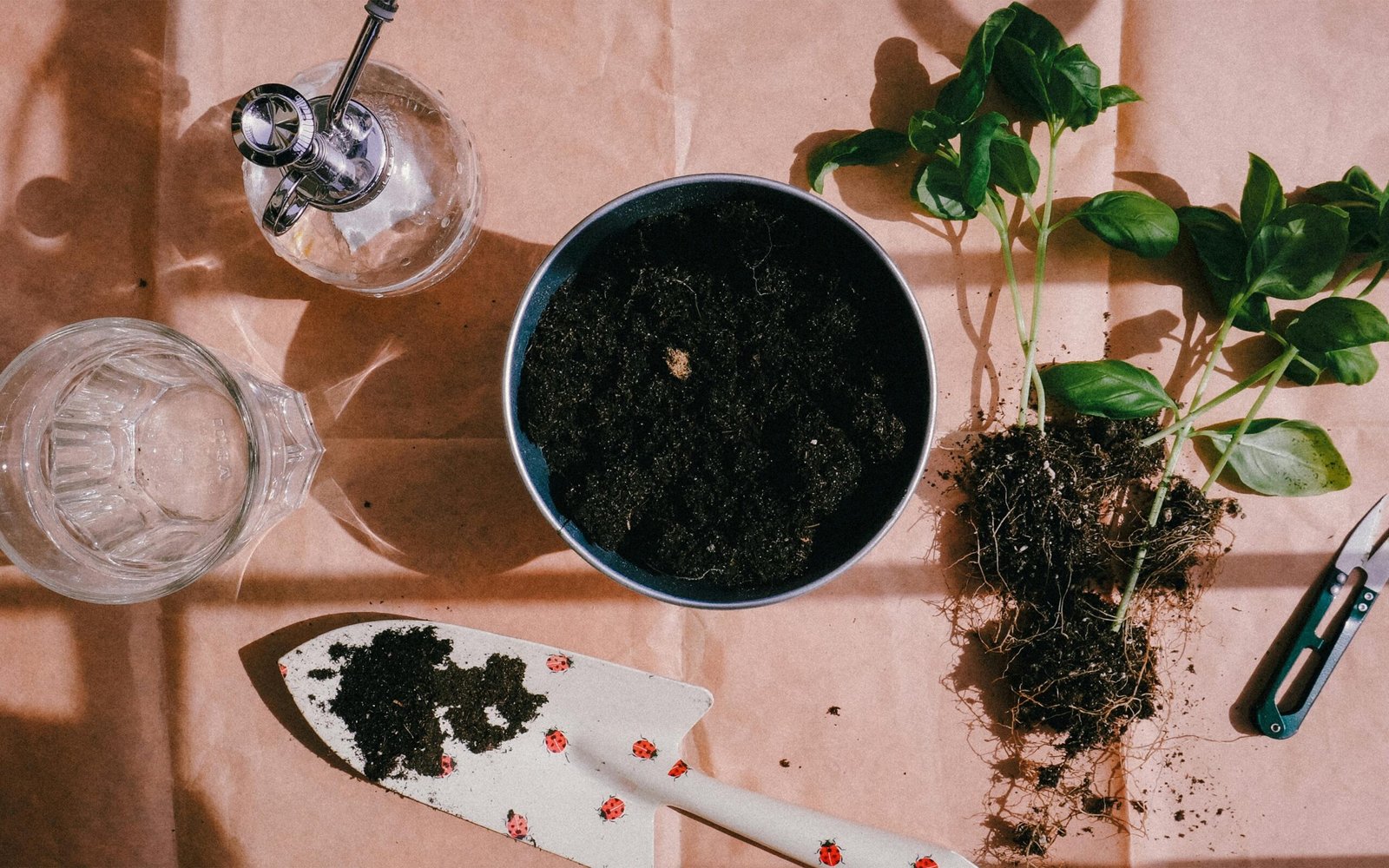
Keeping plants beautiful at home is not only about choosing pretty species or placing them in decorative pots. The real secret is daily attention, simple habits, and understanding what each plant needs to stay healthy.
Many people think plant care is complicated, but most indoor plants respond well to basic consistency. They need suitable light, correct watering, clean leaves, good drainage, and a stable environment. When these things are in balance, plants tend to grow better, look fresher, and bring more charm to the home.
The good news is that you do not need to be an expert to have beautiful plants. With a few practical habits, even beginners can create a green, pleasant, and well-cared-for space indoors.
1. Choose the Right Place for Each Plant
The first step to keeping plants beautiful is placing them in the right spot. A plant may look perfect in one corner of the house, but that does not always mean the place is good for its growth.
Before deciding where to put a plant, observe the light in your home. Some plants need bright indirect light, while others tolerate low-light areas. There are also plants that enjoy a few hours of direct sunlight, especially in the morning.
A common mistake is decorating first and thinking about the plant’s needs later. The ideal approach is to combine both. Choose a place where the plant looks good, but also where it can receive the light it needs.
If the plant starts leaning strongly toward a window, losing color, or producing long and weak stems, it may need more light. On the other hand, if the leaves look burned or dry around the edges, the sunlight may be too intense.
Beautiful plants usually begin with good placement.
2. Water With Attention, Not by Habit
Watering is one of the most important parts of plant care, but it is also one of the most misunderstood. Many plants suffer more from too much water than from a lack of water.
Instead of watering automatically every day, check the soil first. Touch the top layer with your finger. If it is still moist, wait before watering again. If it feels dry, the plant may be ready for water.
The amount of water a plant needs can change depending on the weather, season, pot size, soil type, and light exposure. A plant near a sunny window may dry faster than one in a shaded room. A small pot may dry faster than a large one.
When watering, try to water the soil rather than the leaves. Add water slowly so it can reach the roots evenly. If the pot has drainage holes, let the excess water escape.
Beautiful plants usually have healthy roots, and healthy roots depend on balanced watering.
3. Use Pots With Proper Drainage
A beautiful pot can improve the decoration of any room, but the pot also needs to be practical. For most indoor plants, drainage is essential.
Drainage holes allow excess water to leave the pot. Without them, water can accumulate at the bottom and keep the roots too wet. Over time, this can weaken the plant and affect its appearance.
If you like decorative pots without holes, use them as outer containers. Keep the plant in a plastic or ceramic pot with drainage, then place it inside the decorative one. When watering, remove the inner pot, let it drain, and return it after the excess water is gone.
Also, pay attention to pot size. A very small pot can limit root growth. A pot that is too large can hold too much moisture for a small plant. In many cases, a pot slightly larger than the current one is enough when repotting.
Good drainage protects the plant from one of the most common indoor care problems.
4. Keep the Leaves Clean
Clean leaves make plants look brighter, fresher, and healthier. Indoors, dust naturally builds up on surfaces, and plant leaves are no exception.
When leaves are dusty, the plant may receive less light. This can affect its growth and overall appearance. Cleaning also helps you notice early signs of problems, such as spots, dry tips, or weak leaves.
For plants with large leaves, use a soft damp cloth. Wipe gently, supporting the leaf with your other hand. For smaller plants, a soft brush can help remove dust without causing damage.
Avoid using strong cleaning products, oils, or homemade mixtures that may harm the leaves. In most cases, clean water is enough.
This simple habit can make a big visual difference. A plant with clean leaves instantly looks more cared for and decorative.
5. Remove Dry or Damaged Leaves
Dry, yellow, or damaged leaves can make a plant look neglected, even when the rest of it is healthy. Removing them helps improve the plant’s appearance and allows you to focus on new growth.
It is normal for plants to lose older leaves from time to time. This does not always mean something is wrong. However, if many leaves are yellowing at once, it is important to observe the plant more carefully.
Use clean scissors to remove dry leaves when necessary. Avoid pulling strongly, especially if the leaf does not come off easily. Cutting carefully prevents damage to the stem.
Removing damaged leaves also helps keep the plant area cleaner. Fallen leaves can make the soil surface messy and may attract unwanted problems if left there for too long.
A well-maintained plant does not need to look perfect, but regular cleaning helps it look much better.
6. Rotate the Pot From Time to Time
Many indoor plants grow toward the light. This is natural, but over time it can make the plant look uneven. One side may become fuller while the other side stays smaller.
To encourage balanced growth, rotate the pot occasionally. You do not need to do this every day. Turning the plant a little every week or every few weeks can help it receive light more evenly.
This is especially useful for plants placed near windows. Since the light usually comes from one direction, the plant may start leaning toward it.
Rotating the pot helps maintain a more attractive shape. It also prevents the plant from becoming too stretched or unbalanced.
This small habit is easy to forget, but it can make a big difference in the way your plant looks over time.
7. Create a Simple Care Routine
Plants look better when care is consistent. You do not need a complicated schedule, but having a simple routine helps you avoid neglect.
Choose a day of the week to check your plants. Look at the soil, leaves, stems, and general appearance. See which plants need water, which need cleaning, and which may need a new position.
A routine does not mean watering every plant on the same day. It means observing every plant regularly. Some may need water, others may not. Some may need pruning, while others only need a quick look.
You can also keep a small notebook or phone note with basic information about each plant. Write down when you watered, when you repotted, or when you noticed new leaves.
Over time, this routine becomes natural. You begin to understand your plants better and notice changes before they become serious problems.
8. Pay Attention to the Soil
Soil has a direct impact on the beauty of a plant. If the soil is too compact, too dry, too wet, or too old, the plant may struggle to grow well.
Healthy soil should allow water to pass through while still holding enough moisture for the roots. It should not become hard like a brick or stay soggy for many days.
For indoor plants, a good potting mix is usually the best option. Avoid using heavy garden soil in pots, because it may not drain well indoors.
From time to time, check the soil surface. If it looks too compact, gently loosen the top layer without damaging the roots. If the soil has been in the pot for a very long time, refreshing part of it can help.
Some plants may need specific soil types. Succulents and cacti, for example, usually prefer a faster-draining mix. Tropical indoor plants may prefer a mix that keeps a little more moisture.
Good soil supports strong roots, and strong roots support beautiful leaves.
9. Avoid Moving Plants Too Often
Plants need time to adapt to their environment. When a plant is moved constantly from one place to another, it may struggle to adjust.
It is fine to move a plant if the current spot is clearly not working. But changing its location every few days can cause stress. Light, temperature, and air circulation may be different in each room.
After moving a plant, give it time to respond. Some changes take days or weeks to show results. A plant that was in low light for a long time may not recover instantly after being moved to a brighter place.
If a plant is growing well, producing new leaves, and looking healthy, avoid unnecessary changes. Sometimes the best care is simply allowing the plant to stay where it is already comfortable.
Stability is often an important part of plant beauty.
10. Observe Small Signs Before They Become Big Problems
Beautiful plants are usually cared for before problems get worse. The earlier you notice changes, the easier it is to adjust care.
Look at the leaves regularly. Are they turning yellow? Are the tips becoming brown? Are the stems weak? Is the plant growing normally? Is the soil drying too fast or staying wet too long?
These signs do not always have one single cause. Yellow leaves, for example, may be related to too much water, too little light, natural aging, or stress after moving. The key is to observe the full situation.
Check the plant as a whole. Consider recent changes. Did you move it? Did the weather change? Did you water more than usual? Did you buy it recently?
Observation helps you make better decisions. Instead of guessing, you start understanding patterns.
The more you observe your plants, the easier it becomes to keep them beautiful.
Extra Tip: Do Not Overdo the Care
Many beginners harm plants not because they forget them, but because they care too much. Too much water, too much fertilizer, too much moving, and too much pruning can stress a plant.
Plants need attention, but they also need time. Growth is gradual. A new leaf may take days or weeks to open. A plant recovering from stress may need patience before looking better.
Fertilizer, for example, can be useful, but it should be used carefully. Always follow the instructions and avoid using more than recommended. A plant with poor light or overwatered soil will not become healthy simply because it received fertilizer.
The best plant care is balanced. Give your plants what they need, then allow them to grow at their own pace.
How to Make Plant Care Part of Your Home Decoration
Plants become even more beautiful when they are integrated into the home with intention. You can place them on shelves, side tables, plant stands, windowsills, or hanging planters.
Try grouping plants with different heights and leaf shapes. This creates a natural and pleasant look. A tall plant can work well beside a sofa, while smaller plants can decorate a desk, kitchen counter, or bedside table.
However, always remember that decoration should respect the plant’s needs. A plant that needs bright light should not be placed in a dark corner only because it matches the furniture.
You can also choose pots that complement your home style. Neutral pots create a clean look, while colorful pots add personality. Natural materials, such as ceramic, clay, or woven baskets used as outer containers, can make the space feel warmer.
When plants are healthy and well placed, they become part of the atmosphere of the home.
A More Beautiful Home, One Plant at a Time
Keeping plants beautiful does not require complicated techniques. Most of the time, beauty comes from simple and consistent care.
Choose the right place, water carefully, use pots with drainage, clean the leaves, remove dry parts, rotate the pot, and observe changes regularly. These small habits help your plants stay healthier and more attractive throughout the year.
The most important thing is to build a relationship with your plants. When you pay attention to them, you begin to understand what they need. Over time, caring for plants becomes easier, calmer, and more enjoyable.
A beautiful plant is not necessarily perfect. It is a living part of your home. With patience and simple care, your plants can grow better, decorate your space naturally, and make your home feel more welcoming every day.

Isabella Garcia is the creator of a blog dedicated to crafts and home care, focused on making everyday life more creative, organized, and enjoyable. The blog shares practical tips, easy DIY projects, home organization ideas, and simple solutions to take better care of your living space. Whether you’re a beginner in crafting or someone looking for inspiration to improve your home routine, Isabella’s blog offers clear, useful, and hands-on content to help you create a cozy, beautiful, and well-cared-for home.