
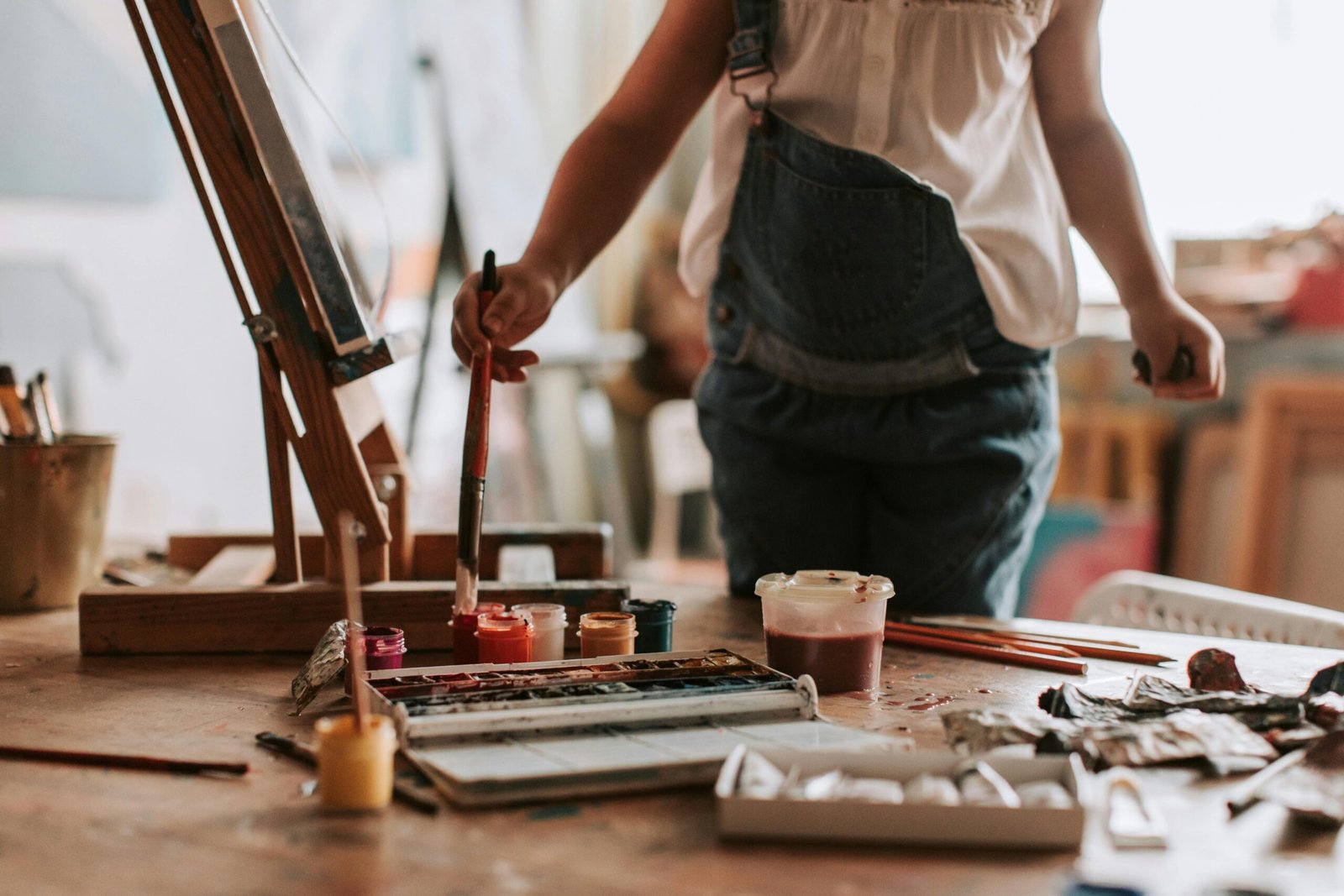
Scrapbooking is an art form that combines creativity, storytelling, and personal expression, and one of the most versatile tools you can use to enhance your scrapbook layouts is stamps. Scrapbook stamps come in a wide variety of shapes, designs, and sizes, and they can be used to create intricate patterns, add decorative elements, and highlight key aspects of your page. Whether you’re using rubber stamps, clear acrylic stamps, or digital stamps, these tools allow for endless creativity and customization in your scrapbooking projects.
In this article, we will explore how to use scrapbook stamps to enhance your layouts. From choosing the right type of stamps to applying them creatively, this guide will help you take your scrapbooking to the next level.
1. Why Use Stamps in Scrapbooking?
Stamps are a fantastic tool for scrapbookers for several reasons. Here are some of the key benefits:
1.1. Customization
One of the greatest advantages of stamps is the ability to customize your designs. You can select stamps that match your theme, color palette, and layout style. This gives you full control over your creative process, allowing you to make your scrapbook pages truly unique.
1.2. Consistency
Stamps provide a consistent, repeatable design. Whether you’re adding backgrounds, borders, or embellishments, stamps can create a uniform look across your pages, making it easier to build cohesive layouts. For instance, using the same stamp to create a border around each page adds consistency while still allowing for creativity.
1.3. Adding Texture and Dimension
Using stamps allows you to add texture and dimension to your scrapbook pages. With the right stamp, you can create a background that gives the illusion of depth, or you can use ink to add shadows and highlights that enhance the appearance of photos and other elements on the page.
1.4. Variety of Styles and Designs
There is an endless selection of stamps available, from simple shapes and patterns to intricate designs and detailed images. This means that you can always find the perfect stamp for any occasion—whether it’s a floral design for a wedding scrapbook or a travel-themed stamp for your vacation album.
2. Types of Stamps and Their Uses
To get the most out of your stamping experience, it’s important to understand the different types of stamps available and how they can be used in your scrapbook layouts. Let’s take a look at the most common types of scrapbook stamps and their applications:
2.1. Rubber Stamps
Rubber stamps are the traditional choice for scrapbookers. These stamps are made of rubber and are typically mounted on wood or acrylic blocks. Rubber stamps are highly durable and provide clean, crisp impressions on paper.
Uses for Rubber Stamps:
- Backgrounds: Rubber stamps with large patterns, such as damask, stripes, or floral designs, can be used to create textured backgrounds for your scrapbook pages.
- Embellishments: Smaller rubber stamps, such as hearts, stars, or travel icons, can be used as accents throughout your page.
- Titles and Phrases: Rubber stamps with words or phrases are perfect for adding titles or journaling blocks to your layouts.
2.2. Acrylic Stamps
Acrylic stamps are made from clear photopolymer material, allowing you to see exactly where you’re stamping. These stamps are often sold in sets, and many scrapbookers prefer them because they are easy to store, lightweight, and versatile.
Uses for Acrylic Stamps:
- Precision Stamping: Since you can see through acrylic stamps, they are ideal for stamping in precise areas or for layering stamps on top of one another.
- Customization: Acrylic stamps can be combined to create custom designs. You can mix and match words, images, and borders to create a personalized layout.
2.3. Clear Stamps
Clear stamps are similar to acrylic stamps but have no backing, which allows them to cling to acrylic blocks. These stamps are transparent, so you can see exactly where to place them, and they come in a variety of designs, including alphabets, borders, and images.
Uses for Clear Stamps:
- Detailed Stamping: Clear stamps are perfect for intricate designs, such as lace patterns, flowers, and detailed images that require precision.
- Layering: Because you can see through clear stamps, they are ideal for layering designs without worrying about misalignment.
2.4. Digital Stamps
Digital stamps are images that can be printed from your computer onto paper. These stamps come in a variety of designs, and you can resize or manipulate them as needed before printing. Digital stamps offer flexibility and allow for more creative customization.
Uses for Digital Stamps:
- Custom Designs: Digital stamps can be customized before printing, allowing you to change the size, color, or composition of the design to fit your needs.
- Print and Cut: After printing your digital stamps, you can cut them out using scissors or a die-cut machine, creating unique embellishments for your pages.
2.5. Embossing Stamps
Embossing stamps are designed to be used with embossing powder to create raised designs. These stamps are typically paired with heat embossing tools, which melt the embossing powder and create a textured, raised effect.
Uses for Embossing Stamps:
- Textured Accents: Embossing stamps can be used to add raised patterns, such as flowers, swirls, or words, that pop off the page. This adds texture and visual interest to your layout.
- Glamorous Effects: Embossing powders come in various colors and finishes (such as glitter, matte, or metallic), allowing you to add sparkle or shine to your designs.
3. Techniques for Using Scrapbook Stamps Effectively
Now that we’ve covered the different types of stamps, let’s explore some techniques you can use to incorporate them into your scrapbook layouts. These techniques will help you make the most of your stamps and create stunning designs.
3.1. Creating Backgrounds with Stamps
One of the most common ways to use stamps in scrapbooking is by creating backgrounds. Stamped backgrounds can add texture and visual interest without overwhelming the page.
How to Create Stamped Backgrounds:
- Choose a Pattern: Select a rubber or acrylic stamp with a large design, such as a floral pattern, geometric shapes, or stripes.
- Stamp Repeatedly: Stamp the image multiple times across the page to create a seamless background. You can also use different ink colors for a layered effect.
- Add Depth: For a more dynamic background, use different colors or techniques like heat embossing to add dimension and texture.
3.2. Stamping as Borders and Frames
Stamps can be used to create borders or frames around your photos, journaling, or other scrapbook elements. This is an easy way to add a decorative touch and highlight important areas of your page.
How to Use Stamps as Borders:
- Frame Your Photos: Use stamps to create a decorative frame around your photo. You can stamp flowers, leaves, or geometric shapes around the photo to create a border.
- Create a Border Along the Page Edges: Stamp a repeating pattern or image along the top, bottom, or sides of your scrapbook page for a cohesive border.
3.3. Stamping on Embellishments
Instead of using pre-made embellishments, create your own by stamping directly onto paper, cardstock, or fabric. This allows you to customize your embellishments to fit your scrapbook layout perfectly.
How to Create Stamped Embellishments:
- Stamp and Cut: Stamp an image onto a piece of paper and cut it out to create a custom embellishment. You can use stamped flowers, tags, or phrases as accents for your layout.
- Layer Stamped Images: Layer different stamped images to create dimension and interest. For example, stamp a flower, then stamp the center of the flower separately and layer it on top for a 3D effect.
3.4. Coloring Stamped Images
Coloring stamped images adds depth and dimension to your designs, allowing you to customize them to match your scrapbook’s color scheme. You can use markers, watercolor paints, or colored pencils to bring your stamped images to life.
How to Color Stamped Images:
- Markers: Use water-based or alcohol-based markers to color your stamped images. Markers allow for precise coloring and can be used for fine details.
- Watercolors: Use watercolor paints for a soft, blended effect on stamped images. This is particularly effective for nature-themed layouts with floral or landscape stamps.
- Colored Pencils: For a more subtle and blended effect, use colored pencils to add shading and detail to your stamped images.
3.5. Heat Embossing with Stamps
Heat embossing adds texture and shine to your stamped designs, making them stand out on the page. This technique uses embossing powder and a heat tool to create raised designs.
How to Use Heat Embossing:
- Stamp the Image: Use a clear embossing ink pad to stamp your image onto the page.
- Apply Embossing Powder: Sprinkle embossing powder over the stamped image and tap off the excess.
- Heat the Powder: Use a heat tool to melt the embossing powder, creating a raised, glossy effect.
3.6. Layering Stamps
Layering stamps allows you to create multi-dimensional designs with ease. You can layer multiple stamped images to create complex patterns and textures.
How to Layer Stamps:
- Stamp in Stages: Start with the background image and stamp it in a lighter color. Then, layer additional images over the top in darker colors or with different ink types.
- Mix Different Stamps: Combine stamps of different shapes and sizes to create a layered, textured effect on your page. For example, layer flowers over leaves or add words over a background pattern.
4. Tips for Using Scrapbook Stamps
To make the most out of your stamping experience, here are some helpful tips:
4.1. Test Your Stamps First
Before applying ink to your scrapbook page, always test your stamp on a scrap piece of paper to make sure the image is clear and crisp. This helps prevent mistakes and ensures you get the desired result.
4.2. Use Stamping Tools for Precision
Tools like stamping platforms, stamp blocks, and stamp positioning tools can help you achieve precise, even impressions every time. These tools are especially useful when layering stamps or stamping intricate designs.
4.3. Clean Your Stamps After Use
To maintain the quality of your stamps, make sure to clean them after each use. Use a stamp cleaner or baby wipes to remove ink from the surface of your stamps to prevent ink buildup and maintain crisp impressions.
4.4. Combine Stamping with Other Techniques
Don’t hesitate to combine stamping with other scrapbooking techniques, such as embossing, die cutting, or hand lettering. This combination can create unique textures, colors, and depth in your layouts.
5. Conclusion: Enhance Your Scrapbook Layouts with Stamps
Scrapbook stamps are an incredibly versatile tool that can add personality, texture, and creative flair to your layouts. By experimenting with different types of stamps, techniques, and styles, you can easily enhance your scrapbook pages and create one-of-a-kind designs that reflect your creativity and memories.
So, gather your stamps, ink pads, and creativity, and start incorporating this fantastic tool into your next scrapbook project. With stamping, the possibilities are endless!

Isabella Garcia is the creator of a blog dedicated to crafts and home care, focused on making everyday life more creative, organized, and enjoyable. The blog shares practical tips, easy DIY projects, home organization ideas, and simple solutions to take better care of your living space. Whether you’re a beginner in crafting or someone looking for inspiration to improve your home routine, Isabella’s blog offers clear, useful, and hands-on content to help you create a cozy, beautiful, and well-cared-for home.