
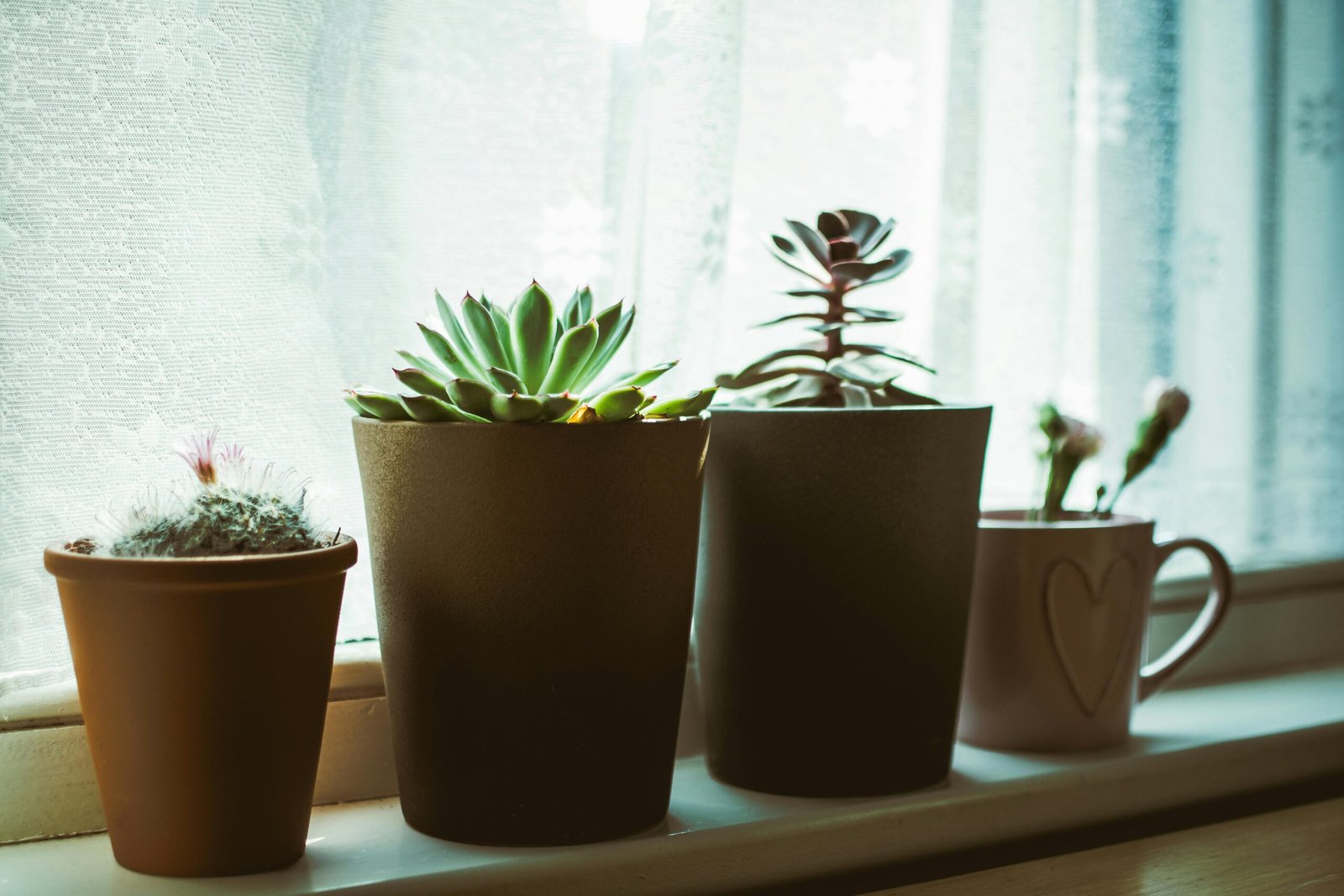
Creating a garden at home is one of the best ways to make your living space more beautiful, comfortable, and connected with nature.
A well-designed garden can transform an ordinary outdoor area into a peaceful place where you can relax, spend time with family, and enjoy the benefits of having plants around you.
However, for someone who has never arranged a garden before, the process may seem complicated. Questions about which plants to choose, how to organize the space, what materials to buy, and how much maintenance will be required are very common among beginners.
The truth is that creating a beautiful garden does not require professional landscaping skills or a large investment. With good planning, simple ideas, and consistent care, anyone can build a pleasant green space at home.
The key to success is not trying to create the perfect garden immediately. A great garden develops gradually, as you learn about your space, understand your plants, and make improvements over time.
Analyze the Available Space Before Creating Your Garden
The first step to arranging your home garden is understanding the characteristics of the area you have available. Every outdoor space has different conditions, and these details will directly influence the choices you make.
Start by observing how sunlight reaches your garden throughout the day. Some areas receive direct sunlight for several hours, while others remain mostly shaded. This information is extremely important because plants have different needs when it comes to light exposure.
Also evaluate the size and shape of your space. A small backyard requires a different approach compared to a large garden area. If you have limited space, using vertical solutions, pots, and carefully selected plants can help create a beautiful environment without making the area feel crowded.
Other factors that should be considered include:
- The quality of the soil;
- The drainage system of the area;
- Exposure to wind;
- Availability of water nearby;
- Existing structures such as walls, fences, and pathways.
By understanding these characteristics before buying anything, you avoid wasting money on plants or materials that may not work well in your garden.
Decide What Type of Garden You Want to Create
Before choosing plants and decorations, think about the purpose of your garden. A clear idea of what you want will make the entire process easier.
Some people dream of having a colorful flower garden that attracts attention. Others prefer a simple green space that requires little maintenance. There are also homeowners who want a comfortable outdoor area with furniture, lighting, and decorative elements.
Your garden can be designed to:
- Improve the appearance of your home;
- Create a relaxing environment;
- Add more natural elements to your property;
- Grow herbs and decorative plants;
- Provide a pleasant space for outdoor activities.
There is no universal garden style that works for everyone. The best garden is the one that matches your personality, available time, and the way you plan to use the space.
Create a Basic Garden Layout
Planning the layout before planting is one of the most important steps for beginners. A simple sketch can help you visualize where everything will be placed.
Start by marking permanent elements such as walls, doors, entrances, and existing trees. Then decide where you would like to add plants, flower beds, pots, furniture, or decorative features.
A balanced garden usually includes plants with different heights. Taller plants can be placed at the back or near walls, medium plants can fill the middle areas, and smaller flowers or ground covers can be positioned in front.
This type of organization creates depth and makes the garden look more natural.
Another important point is leaving enough space between plants. Many beginners plant everything too close together because they want an immediate full appearance. However, plants need room to grow, and overcrowding can create maintenance problems in the future.
Choose Plants According to Your Environment
Selecting the right plants is one of the most enjoyable parts of creating a garden, but it is also where many beginners make mistakes.
A beautiful plant is not always the best choice for your space. Before purchasing any plant, research its basic needs and make sure your garden can provide the right conditions.
Consider:
- The amount of sunlight required;
- How frequently it needs watering;
- The size it will reach when mature;
- The type of soil it prefers;
- The amount of maintenance involved.
If you have little time available, choose plants that are easier to care for. Low-maintenance plants can still create a beautiful garden while requiring less daily attention.
It is also interesting to combine different types of plants. Mixing flowers, shrubs, and green foliage can create a more dynamic and attractive environment.
Prepare the Soil Before Planting
Healthy soil is the foundation of a successful garden. Even the most beautiful plants will struggle if they do not have the right conditions to grow.
Before planting, remove unwanted materials such as stones, old roots, weeds, and debris. Then check whether the soil is too compact or has difficulty absorbing water.
Adding organic materials can improve soil quality. Compost and natural fertilizers can help provide nutrients and create a better environment for plant roots.
Good soil preparation helps plants become stronger and reduces future problems. It is much easier to establish a healthy garden from the beginning than to try to fix poor conditions later.
Start With a Small Project
A common mistake among beginners is trying to complete the entire garden in a single weekend. Buying many plants and decorations at once can become expensive and overwhelming.
Instead, consider starting with one section of your outdoor area. Once you understand how to care for that space, you can gradually expand.
You might begin with:
- A small flower bed near the entrance;
- A group of decorative pots;
- A corner with shade plants;
- A simple herb area.
Starting small allows you to learn without pressure. Gardening is a continuous process, and your experience will improve with time.
Invest in Basic Gardening Tools
You do not need a large collection of expensive equipment to start gardening. A few essential tools are enough for most beginner projects.
Some useful items include:
- Gardening gloves;
- Hand shovel;
- Pruning scissors;
- Watering can or hose;
- Rake;
- Small gardening fork.
Having the right tools makes maintenance easier and protects your plants during regular care activities.
As your garden grows, you can gradually add more specialized equipment if needed.
Add Decorations That Match Your Garden Style
Plants are the main attraction of any garden, but decorative elements can make the space more comfortable and unique.
Some popular ideas include:
- Decorative stones;
- Wooden details;
- Outdoor lights;
- Garden paths;
- Benches or chairs;
- Small water features.
The important thing is maintaining balance. Too many decorations can make the garden look crowded and reduce the natural feeling that plants create.
Choose elements that complement your garden rather than taking attention away from the plants.
Create a Simple Maintenance Routine
A beautiful garden requires regular attention, but maintenance does not need to become a difficult task.
Creating a simple routine can help keep everything organized. Depending on your plants and climate, basic activities may include:
- Checking soil moisture;
- Removing dry leaves;
- Cleaning garden areas;
- Controlling unwanted plant growth;
- Pruning when necessary;
- Adding nutrients periodically.
Small actions performed regularly are more effective than occasional intensive maintenance.
A garden that receives consistent care will usually remain healthier and more attractive.
Be Patient and Learn From the Process
One of the most important lessons for beginner gardeners is understanding that gardens take time to develop.
Plants need time to grow, adapt, and create the appearance you imagine. Some choices may work perfectly, while others may need adjustments.
Do not be discouraged if your garden does not look exactly like your original plan. Gardening involves observation and learning.
Pay attention to how your plants respond. If something is not growing well, investigate the possible reasons and make changes when necessary.
Every garden is unique, and the experience you gain will help you make better decisions in the future.
Creating Your Dream Garden Starts With One Step
Arranging a garden from scratch is a rewarding project that can improve your home and bring more enjoyment to your daily life. The most important part is starting with a clear plan, choosing suitable plants, and taking care of your space consistently.
You do not need a large area, expensive materials, or advanced gardening knowledge to create something beautiful. A small and carefully planned garden can become one of the most special parts of your home.
With patience, creativity, and regular care, your outdoor space can gradually become a place full of life, beauty, and relaxation. The journey of creating a garden is just as enjoyable as the final result.

Isabella Garcia is the creator of a blog dedicated to crafts and home care, focused on making everyday life more creative, organized, and enjoyable. The blog shares practical tips, easy DIY projects, home organization ideas, and simple solutions to take better care of your living space. Whether you’re a beginner in crafting or someone looking for inspiration to improve your home routine, Isabella’s blog offers clear, useful, and hands-on content to help you create a cozy, beautiful, and well-cared-for home.