
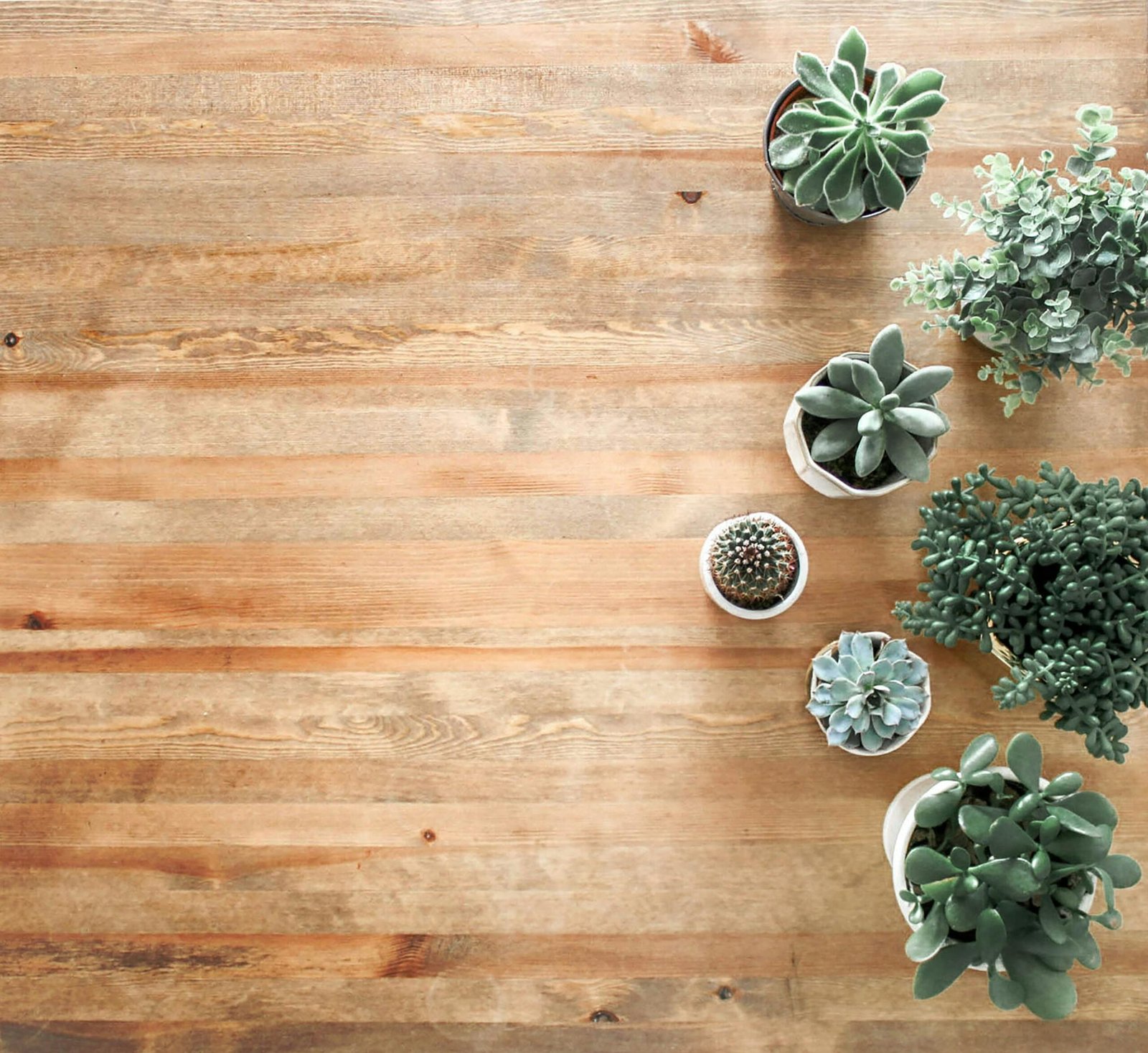
Taking care of plants at home can be simple, relaxing, and rewarding. A few plants can make a room feel more welcoming, add natural beauty to the decoration, and create a pleasant daily habit. But when someone is just beginning, it is normal to make mistakes.
The good news is that most plant care mistakes can be corrected. Plants are living things, and many of them are more resistant than they seem. A yellow leaf, a dry tip, or slow growth does not always mean failure. In many cases, it is simply a sign that something in the care routine needs adjustment.
The secret is learning to observe. Instead of guessing what your plant needs, you can look at the soil, leaves, light, pot, and environment. With a little patience, you begin to understand what is helping your plant and what may be harming it.
Here are some of the most common mistakes people make when caring for plants at home and how to avoid them.
Watering Too Often
One of the most common mistakes is watering too much. Many beginners believe that watering every day shows care and attention, but most indoor plants do not need daily watering.
When the soil stays wet for too long, the roots may not receive enough air. This can weaken the plant and cause yellow leaves, soft stems, and poor growth. In some cases, the plant may look droopy even though the soil is wet, which confuses many people.
To avoid this mistake, check the soil before watering. Put your finger a little into the soil. If it still feels moist, wait. If it feels dry, the plant may be ready for water.
It is better to water based on the plant’s real condition than to follow a fixed schedule. Your plant may need more water during hot days and less water during cooler periods. The amount of light, pot size, and type of soil also affect how quickly the soil dries.
Watering correctly is not about doing it often. It is about doing it at the right time.
Forgetting to Water for Too Long
While overwatering is very common, the opposite can also happen. Some people forget their plants for many days or weeks and only notice the problem when the leaves are already very dry or drooping.
A plant that lacks water may show curled leaves, dry edges, weak stems, and soil that pulls away from the sides of the pot. In more serious cases, the plant may stop growing and lose several leaves.
To avoid this, create a simple routine. Choose one or two days of the week to check your plants. You do not need to water all of them on those days, but you should observe them.
A plant care routine helps you notice changes early. You can check the soil, remove dry leaves, clean dust, and see if the plant needs a better spot.
If you often forget to water, choose resistant plants that tolerate short dry periods better, such as snake plants, ZZ plants, pothos, or some succulents.
Placing Plants in the Wrong Light
Light is one of the most important parts of plant care. A plant may have a beautiful pot and receive the right amount of water, but if the light is wrong, it may not grow well.
Some plants need bright indirect light. Others tolerate lower light. Some enjoy a little direct sun, especially in the morning. When a plant does not receive enough light, it may grow slowly, produce weak stems, lose color, or lean strongly toward the window.
On the other hand, too much direct sunlight can burn delicate leaves. Brown patches, dry edges, or faded leaves may appear when the sun is too intense.
To avoid this mistake, observe your home before placing your plants. Notice which windows receive strong sunlight, which rooms are bright but protected, and which corners are darker.
Do not choose a place only because it looks pretty. The plant also needs to live well there. Decoration and plant health should work together.
Using Pots Without Drainage
Decorative pots can make plants look more elegant, but pots without drainage holes can create problems. When excess water has nowhere to go, it stays at the bottom of the pot. This can keep the roots too wet for too long.
Many plants suffer silently in pots without drainage. The top of the soil may look dry, while the bottom remains wet. This makes it easy to water again too soon.
To avoid this, use pots with drainage holes whenever possible. These holes allow extra water to escape after watering.
If you love a decorative pot that has no holes, use it as a cover pot. Keep the plant in a simple plastic pot with drainage and place it inside the decorative container. When watering, remove the inner pot, water it, let it drain, and then put it back.
This method allows you to enjoy beautiful decoration without putting the plant at risk.
Choosing the Wrong Plant for Your Home
Another common mistake is choosing a plant only because it is beautiful, without considering whether it matches your home conditions.
A plant that needs strong light may not do well in a dark apartment. A plant that needs frequent humidity may struggle in a very dry room. A delicate plant may not be the best first choice for someone who is still learning.
To avoid this, choose plants that fit your lifestyle and environment. If you have little time, look for low-maintenance plants. If your home has limited light, choose plants known for tolerating lower-light spaces. If you travel often, avoid plants that need constant attention.
Starting with easier plants is not a bad thing. It is a smart way to build confidence and learn basic care.
As you gain experience, you can try plants that need more specific care.
Moving Plants Too Often
Plants need time to adapt. Moving them from one place to another too often can cause stress, especially when the light, temperature, and airflow change a lot.
Some people move a plant every few days because they do not see immediate improvement. But plants usually respond slowly. A plant that was in a poor location may need days or weeks to show signs of recovery after being moved.
To avoid this mistake, choose a suitable place and give the plant time. Observe it carefully, but do not keep changing everything at once.
If the plant is clearly suffering because of too little light or too much sun, moving it is a good decision. But after that, wait and watch how it responds.
Stability is important. When a plant finds a good place, keeping it there can be one of the best things you do for it.
Ignoring the Soil
Many beginners focus only on leaves and watering, but soil is also essential. Poor soil can make plant care much harder.
If the soil is too compact, water may not drain well and roots may struggle to breathe. If it dries too quickly, the plant may not absorb enough moisture. Old soil may also lose structure over time.
To avoid this, use a good potting mix suitable for indoor plants. Avoid using random soil from the yard, because it may be too heavy for pots and may not drain properly indoors.
For succulents and cacti, use a mix that drains faster. For many leafy indoor plants, a balanced potting mix usually works well.
From time to time, check the soil surface. If it is very hard or compact, gently loosen the top layer without damaging the roots. If the plant has been in the same pot for a long time, refreshing some of the soil may help.
Healthy roots need healthy soil.
Fertilizing Too Much
Fertilizer can support plant growth, but using too much can harm the plant. Some beginners think fertilizer is a quick solution for every problem, but that is not true.
If a plant is suffering because of poor light, excess water, or bad drainage, fertilizer will not solve the main issue. In fact, adding fertilizer to a stressed plant may make things worse.
To avoid this mistake, use fertilizer carefully and follow the product instructions. More is not better. Plants usually need fertilizer during active growth periods, not all the time.
Before fertilizing, make sure the basic care is correct. Is the plant receiving enough light? Is the soil healthy? Is the watering balanced? Is the pot suitable?
Fertilizer should be seen as support, not as a miracle fix.
Not Cleaning the Leaves
Indoor plants collect dust just like furniture does. Dusty leaves may look dull and may receive less light. This can affect the plant’s appearance and, over time, its growth.
Many people forget this simple care step. As a result, the plant may look less vibrant even when it is generally healthy.
To avoid this, clean the leaves gently. Use a soft damp cloth for larger leaves. For smaller or more delicate leaves, use a soft brush or clean them carefully in a way that does not damage the plant.
Avoid strong cleaning products. In most cases, water is enough.
Cleaning leaves also gives you a chance to inspect the plant closely. You may notice dry tips, spots, pests, or new growth earlier.
Forgetting to Remove Dead Leaves
Dry or yellow leaves are part of plant life. Older leaves naturally die as the plant grows. However, leaving too many dead leaves on the plant or soil can make the plant look neglected.
Dead leaves on the soil surface can also create a messy environment around the plant.
To avoid this, remove dry leaves when you notice them. Use clean scissors if needed, especially if the leaf does not come off easily. Be gentle and avoid pulling hard.
This keeps the plant looking fresh and helps you see its real condition better. A clean plant is easier to observe and care for.
Remember that one yellow leaf is not always a problem. Look at the whole plant before worrying.
Buying Too Many Plants at Once
It is easy to get excited when you start caring for plants. You may want to buy several plants quickly and create a beautiful green corner right away.
But buying too many plants at once can become overwhelming. Each plant may have different needs, and beginners may find it hard to keep track of watering, light, and care routines.
To avoid this, start small. Begin with one, two, or three plants. Learn how they behave in your home. Once you feel confident, add more gradually.
A small group of healthy plants is better than many plants that are difficult to manage.
Plant care should feel enjoyable, not stressful.
Not Checking New Plants Before Bringing Them Close to Others
When you buy or receive a new plant, it is tempting to place it immediately with your other plants. But it is a good idea to inspect it first.
Look at the leaves, stems, and soil. Check for spots, weak areas, or unwanted insects. Sometimes problems are not obvious at first, so keeping the new plant slightly separate for a short period can be helpful.
This simple habit protects the plants you already have.
Also, give the new plant time to adapt to your home. Avoid repotting, fertilizing, and moving it too much right away unless something is clearly wrong.
New plants need a calm adjustment period.
Expecting Perfect Growth All the Time
Plants do not always look perfect. They may lose old leaves, grow unevenly, slow down during certain seasons, or take time to adapt after changes.
A common mistake is panicking over every small sign. One brown tip or one yellow leaf does not always mean the plant is dying.
To avoid unnecessary stress, observe the full picture. Is the plant producing new growth? Are most leaves healthy? Is the soil condition good? Has anything changed recently?
Plant care requires patience. Some improvements take time. A plant may need several weeks to respond to better light or improved watering.
Instead of expecting perfection, focus on progress.
A Better Way to Care for Your Plants
Most plant care mistakes come from good intentions. People water too much because they want to help. They move plants often because they want quick improvement. They fertilize too much because they want faster growth.
But plants usually respond best to balanced care. They need the right light, careful watering, good drainage, suitable soil, and time to adapt.
The more you observe your plants, the more confident you become. Mistakes are part of the process, and each one teaches you something useful.
With simple changes, you can avoid the most common problems and create a healthier home for your plants. Over time, plant care becomes less about guessing and more about understanding. That is when your plants begin to grow better, look more beautiful, and become a natural part of your home.

Isabella Garcia is the creator of a blog dedicated to crafts and home care, focused on making everyday life more creative, organized, and enjoyable. The blog shares practical tips, easy DIY projects, home organization ideas, and simple solutions to take better care of your living space. Whether you’re a beginner in crafting or someone looking for inspiration to improve your home routine, Isabella’s blog offers clear, useful, and hands-on content to help you create a cozy, beautiful, and well-cared-for home.